
2025 Favorite Albums 


All right, we’re finally here, the end of the year, and while the year might have been a slog in many ways, musically it was a total treasure. It’s usually a pretty daunting task (though never a chore) to whittle down all the music that mattered to me. That’s the core of the list. There are a dozen year-enders that seek to mirror consensus, capture the zeitgeist, and generally tally what was “best” in the year. I don’t pretend to have any ability to divine what was best, but these were the albums that spent the most time running around my turntable, cropping up in mixes, and keeping the car stereo warm. Like quite a few notions I’ve seen mentioned this year, my favorite year end lists look more like homework than a pat on the back for listening well done. If you can leave the list with an urge to find out more about the albums that you missed, then I feel like I’ve done some part in pushing past the algorithms and roadblocks that seem to make it harder to ferret out the good stuff every year.
I’m grateful to everyone that stops by Raven in any capacity. It’s been almost twenty years as a labor of love and each rundown at the end of the year is a reminder why it’s still worth doing. So, here’s the list. No rankings, just a semi-alphabetical celebration of what made 2025 good.
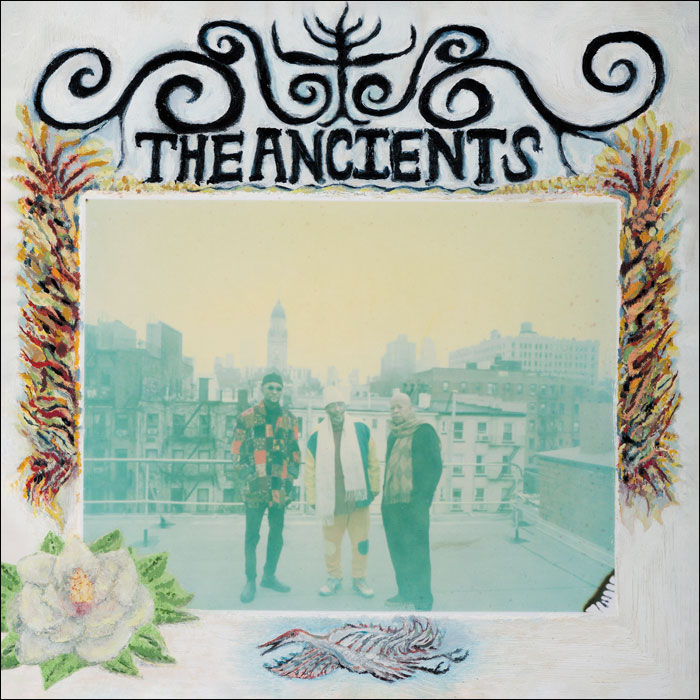
The Ancients (Isaiah Collier, William Hooker, William Parker) – The Ancients
Anchored by jazz luminaries William Hooker and William Parker, themselves no strangers to collaboration over the years, the pair folds a slightly newer name into the mix. Isaiah Collier has already been on the radar here with his outfit The Chosen Few, backing Angel Bat David in Tha Brothahood, and as a guest with The Heavy Lidders at Milwaukee Psych Fest. Here, he proves more than capable of sparring with his more well-known partners, devouring styles that swing from soul jazz to the scars and squeals of the free set. The album’s main energy stems from Collier’s willingness to both give and receive energy from other points in the trio, scrawling his runs across the speakers in blood one minute and riding the rhythm like surf in the next.
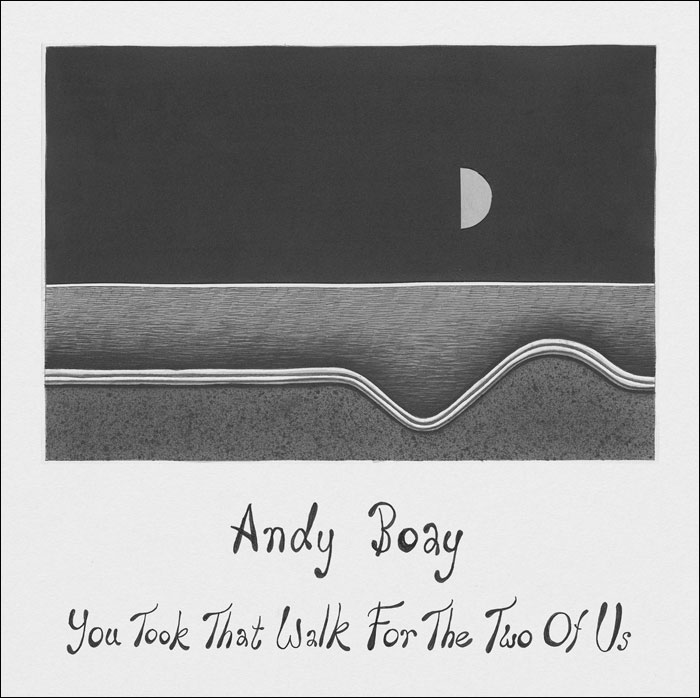
Andy Boay – You Took That Walk For The Two of Us
Recorded to 8-track, with a keen focus on building each side into its own unique aura, the album embraces the echo-laden lysergic takes that were prevalent on Tonstartssbandht’s excellent 2021 album Petunia. The first side is noticeably looser than some of White’s previous work; a trio of songs worked out in the live sphere, cinched up and shot through a multi-track looper. The flip is a triptych proper that plays on the “Do You Hear What I Hear” theme. It’s an existential excavation dressed up in psych-pop proportions. While the moniker remains something wholly unto itself, I’d be remiss not to say that this might be perfect companion piece to Petunia. Something more singular and rakishly indulgent that turns the personal into pop confections that keep the listener coming back again and again.
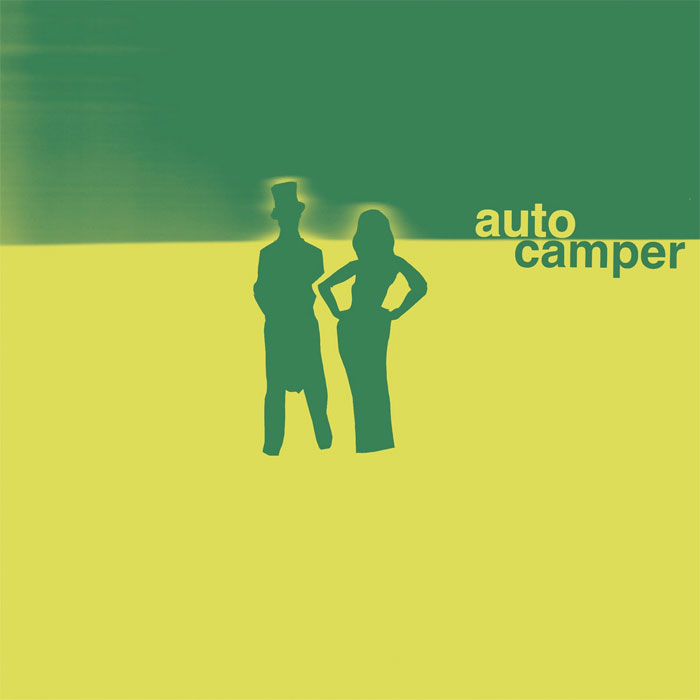
Autocamper – What Do You Do All Day?
The record mixes the melancholy end of the jangle spectrum with a few notable nods to the span of decades past, swiping softness from the ‘60s and a winking spark from the late ‘80s/early ‘90s. Much like labelmates Jeanines, the band doesn’t shy away from sprinkling some folk touches into their jangle, and side-A fave “Red Flowers” dips through Free Design and Curt Boetcher touches. The flute surfaces again on “Map Like A Leaf, skipping generations to wink at The Pastels before they lean back further into their indie instincts with nods at Felt and The Feelies. The band slips seamlessly between portions of the past, stitching a pop tapestry that feels effortlessly refreshing. Stacked harmonies, jaunty jangles, organ swells, flute trills, and the crisp crack of drums make this feel like a pop collector’s dream; a indie-pop headphone wonderland.
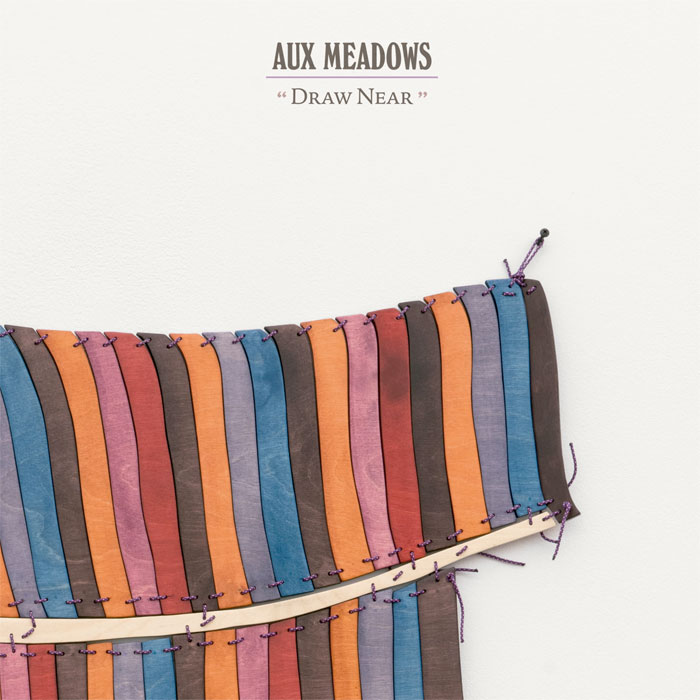
Aux Meadows – Draw Near
Living in the crosshairs of Krautrock and country, pastoral and progressive, the new album from Aux Meadows is a dose of Kosmiche Americana that’s not to be missed. The band picks at the desolation of the American West, conjuring up ‘70s lonesome epics from The Hired Hand to Paris, Texas, soundtracking a vision of dusted drives and grease-stained suburban sprawl. Here, the band finds beauty amid the dryness and the desolation, an oasis anchored in parking lot corners, their backs to the blight and staring out over the horizon.
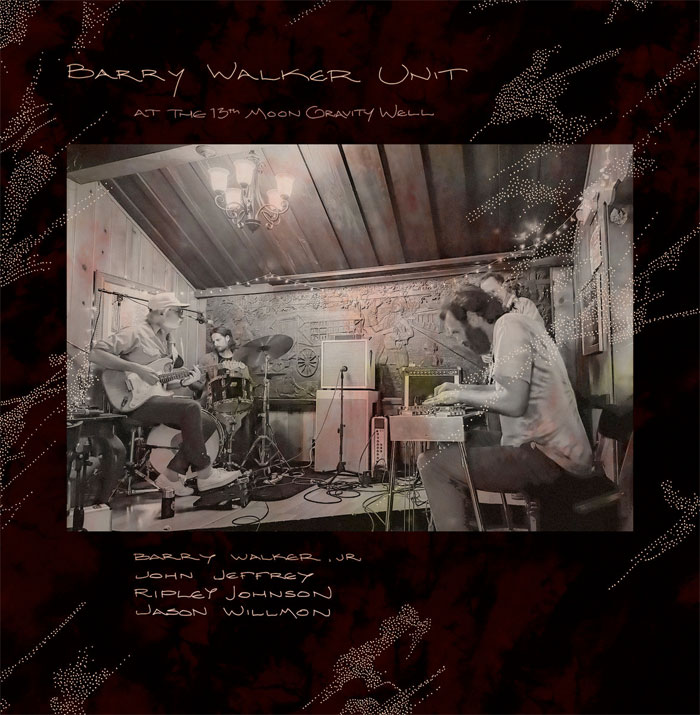
Barry Walker Unit – At the 13th Moon Gravity Well
The adoption of The Unit as his backing band has yielded one of Walker’s most expansive sets yet. Recorded live, as the title plainly states, at the 13th Moon Gravity Well, a small Portland pub, the record finds the band tipping the scales between jam, jazz-psych, and calm wells of Cosmic Country. The jazz elements come bubbling to the surface on highlight “The Origin of Broken Pieces,” making excellent use of Ripley Johnson’s melted guitar runs. The band cools the kinks of “Broken Pieces” with the slow-burn yearn of “High In the Hummocks” a piece that feels like it could have been worked out between longform jams in the RCB practice space. Walker’s only hinted at a record this far out before, but with The Unit as his foils, the live space provides a perfect springboard into the furthest reaches of psych and steel.
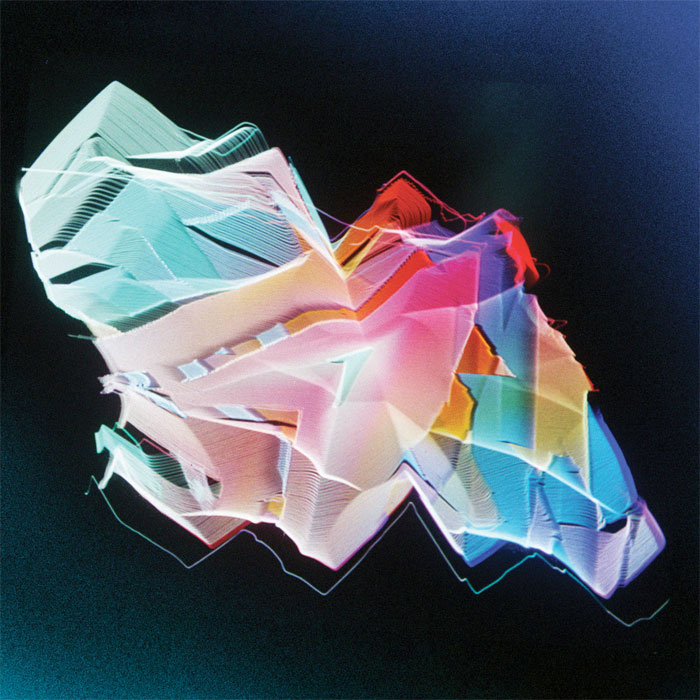
Bitchin Bajas – Inland See
The heart of Bajascillators was a burbling, crystalline synth sound that balanced the band’s calm demeanor with a slight prickle in the blood. Inland See, on the other hand, finds little reason to fight the steady weights that pulls them deeper into the cocoon. Over the first half of the album, the hackles are shorn, and the record revels in a kind of warm, pulsating aura, punctuated only every so often by the soft purr of sax. It’s as somnambulant as the band have been in some time, washing the keys in a downy glow while tempering their rhythmic elements to a pace that’ll slow the pulse. As the listener dips in, the record practically glows, a soft inner light that plays on the back of the eyelids like sensory deprivation visions. As more and more have turned their target towards ambient float, the Bajas are back to remind the world who’s been tending the temples of the temperate zones for years.
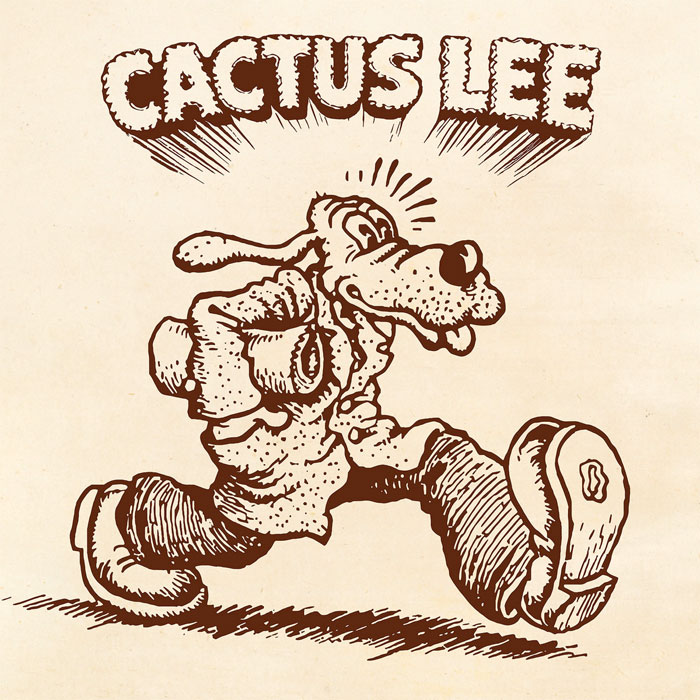
Cactus Lee – Cactus Lee
Like the relaxed stage persona that’s become Cactus Lee, the songs on the eponymous new album feel lived in and languid. Dehan doesn’t go in for the cosmic fumes that have haloed quite a few of the newer country crowd, instead balancing a classic strain of Southern charms with a lusher production palette this time around. Caravan pushed the band towards a studio shine, but there’s something that’s just incredibly comfortable about Cactus Lee. Laying into the lonesomeness of the road, the give and take of love and loss, and the foundations of family, the record’s themes always land well with the soft-hearted delivery of Dehan arriving on warm winds.
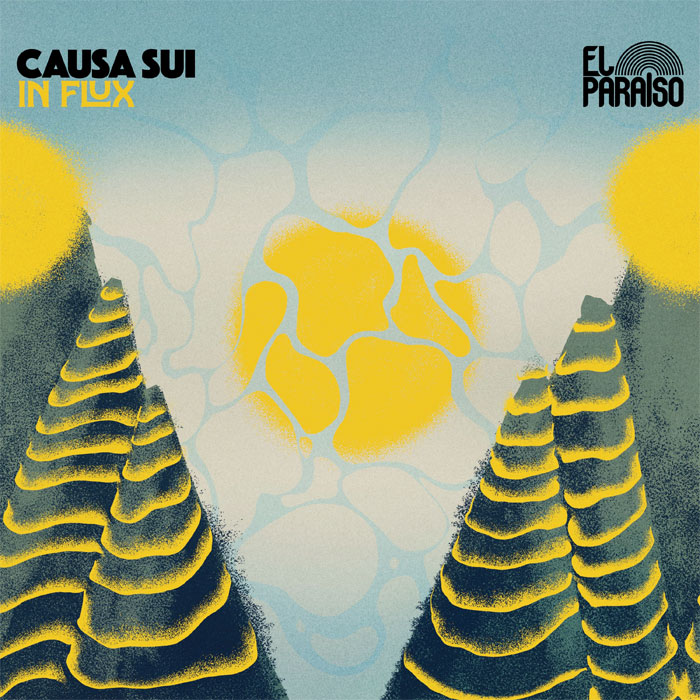
Causa Sui – In Flux
Where Source was an orchestrated and dynamic record that served as a showcase for the kind of crush usually expected from Causa Sui; In Flux is true to its title, swerving through their map of influences and letting themselves indulge in the kind of chameleonic approach that hasn’t been quite so prominent since the band’s Summer Sessions trilogy.The group gets languid and liquid like Moon Duo headed for the horizon with the Popul Vuh catalog tucked under their arms. They propel themselves through some Can primers before abandoning guitars for a watery synth-scape on closer “Spree.” Cue this one and From The Source up back to back and the band’s soundtracked a day to night dive from high sun to darkness just perfectly.
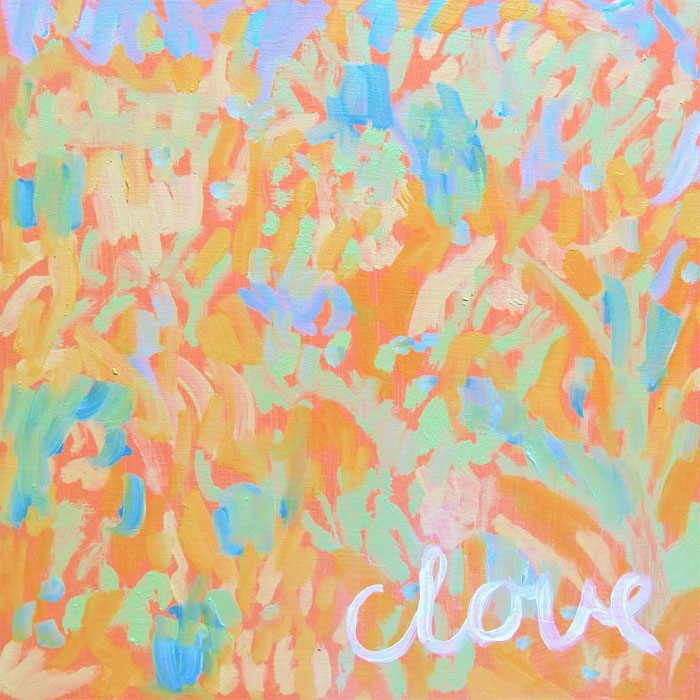
Clove – Clove
Clove catches a sweet spring wind with their sound, full of hazily strummed guitars and twisting flute trills. The band can easily find their footing with the Canyon Country aficionados, picking at a bit of Rondstadt earnestness while also giving a light touch to some Dusty in Memphis grooves. Yet, those are all subliminal feelings, since at its core the album is much lighter and breezing. It’s more like Perhacs in Memphis, taking a slightly curled folk and giving it a rhythmic shake.
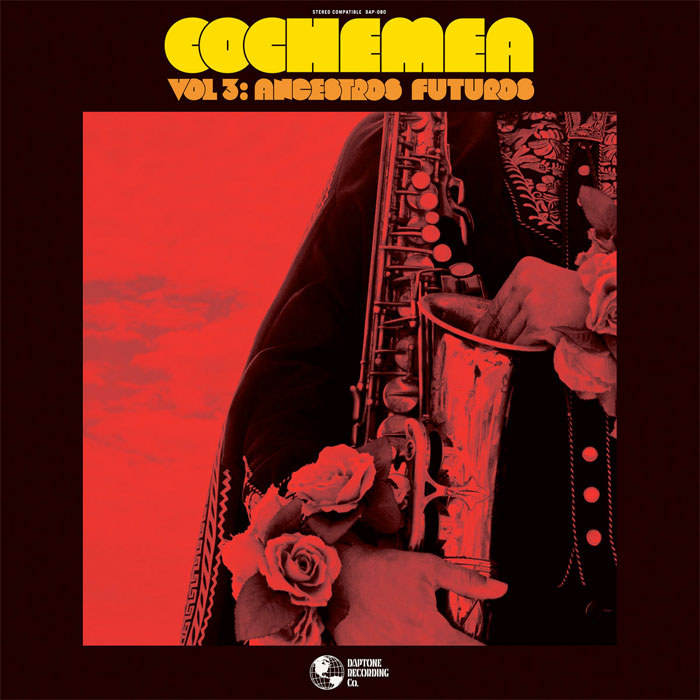
Cochemea – Vol 3: Ancestros Furturous
As he nears the completion of a trio of albums that reach into the past and grasp towards the future, Gastelum takes the listener deeper into the caverns and canyons of his mind. The crux of Cochemea’s music has always been rhythm. As much as his sax lines set the songs alight, the tinder that stokes the set is always the undulating percussion. His assembled players, a potent octet that’s composed of local NY percussionists and fellow members of the Daptone family, keep the songs simmering. Atop the tumble of sticks, hands, and the insistent swish of shakers, the songs find their inner dance; a propulsion that pushes the albums along like a river. Atop the tumble he interweaves the foundations of his fusions. The new album culls from Aztec cosmology, the eternal fire of Eddie Harris and Yusef Lateef, and the call and response of oral traditions. The record traces generational scars. It recontextualizes tradition. The culminating document of his years-long journey acts as the delta in the wake of a flood of influences, parsing the most potent strains of the past.

Cole Pulice – Lands End Eternal
For their first LP for the venerable Leaving Records, the songwriter expands the view once again, turning Land’s End Eternal into an expansive, pastoral vista that showcases not only Pulice’s warm woolen sax lines, but also a larger focus on piano, guitar, and electronics. The record is bookended by the tumultuous opener “Fragments of a Slipstream Dream,” which plays into Cole’s prowess with constrained noise, and the beautifully constructed closer, “After The Rain,” a winding piece that assembles a brass choir to achieve a pastoral glow that peaks with guest vocals from Maria BC. There may be no greater well of calm that can come your way this year, so I’d recommend letting this one soak into the seams every chance you get.
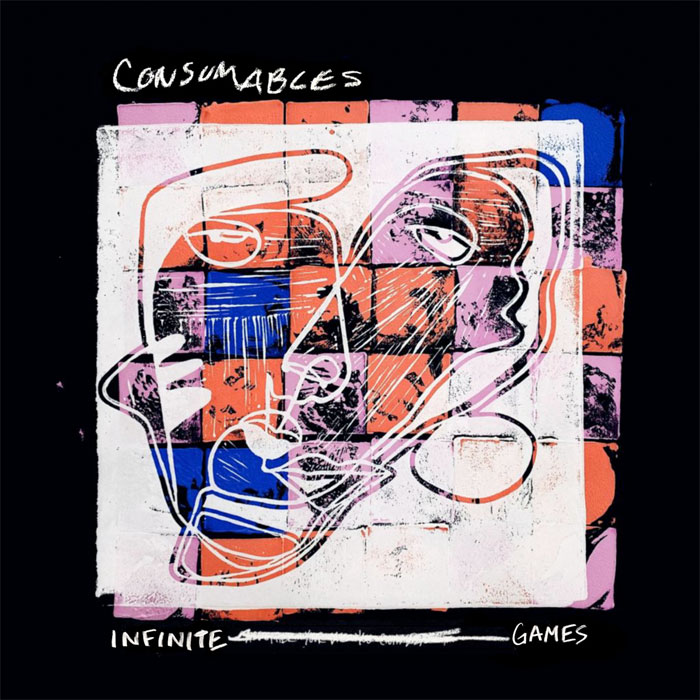
Consumables – Infinite Games
Infinite Games nabs some of the acerbic grit of the ‘70s set while keeping things malleable, shaking off some of the decade’s more brittle aesthetics. The record lands, lodged between the caffeinated bounce of legacy luminaries like The Units, Starter, or Magazine and more recent roustabouts U-Bahn, Smarts, School Damage, or Bodega. The latter feels the most natural with the band’s Ben Hozie also sliding behind the production desk on Infinite Games. Touchstones aside, the record’s rubberized snap mixes with a serrated grit, tossing listeners into the bounce house with a batch of broken glass. While the band was die-cast and crafted in the streets of New York, their restlessness and ire would feel right at home with the current Aussie crop. Chewing and choking on the options left behind by the capital class, the band spits invective back by the pound. They shake the hand that feeds with a palmed razor blade.
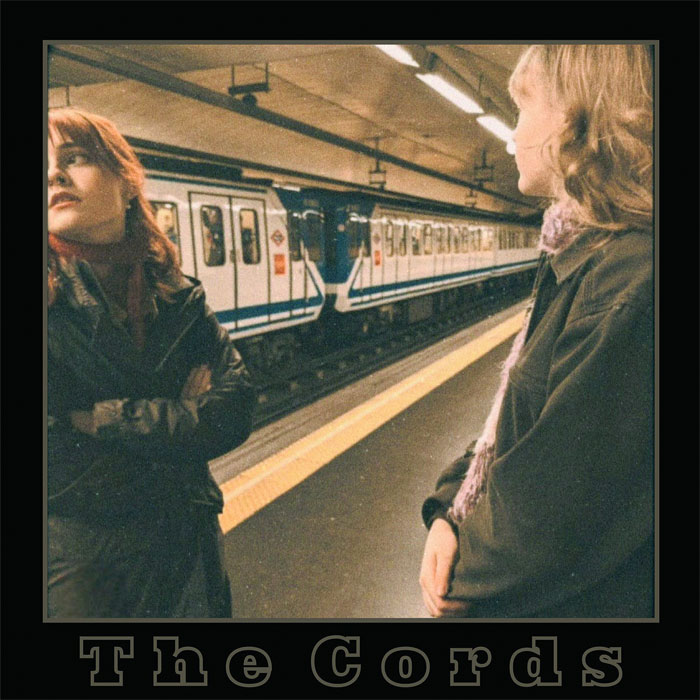
The Cords – The Cords
The Scottish sibling duo dips into the most effervescent influences from the past, burrowing into the bright-eyed pop of The Primitives, the austerity of The Flatmates, and the sweet n’ sour bite of Shop Assistants. It’s clear that the band has spent at least a little time rifling through the classics for some inspiration, but like The Viivian Girls before them, any attempts to pin them down often reveal more about the listener than the band itself. At its heart, the eponymous album from The Cords is built on a bedrock of love, doubt, disappointment, infatuation, and angst. Jostled by jangles and hung on the kind of harmonies that only siblings seem capable of creating, the songs on the duo’s eponymous LP bend bittersweet sighs into indelible hooks; the kind that careen around corners in the backseat of a friends car and soak up the sobs from tear stained pillows. It’s an album full of exhilarating highs and crushing lows, though even the most melancholy moments are still buoyed by enough sweetness that they’ll put a smile on your sour mug.
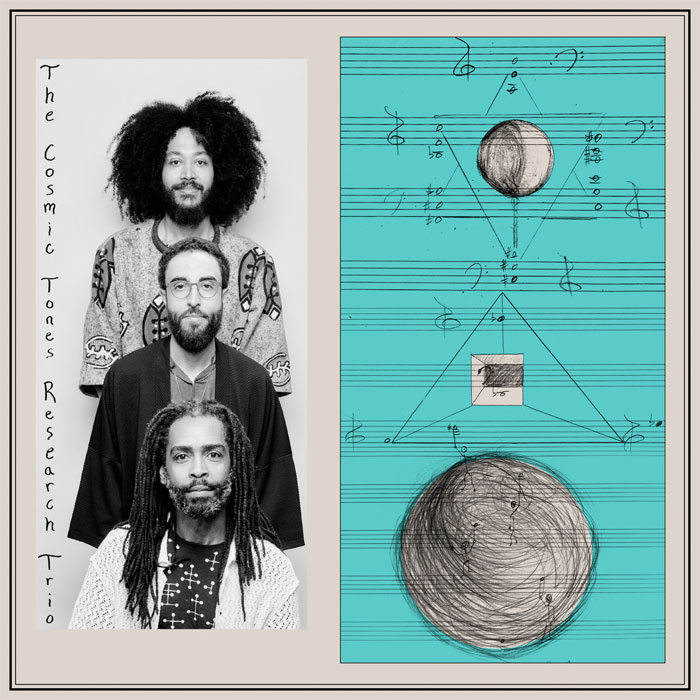
The Cosmic Tones Research Trio – The Cosmic Tones Research Trio
Quite a few are still keeping the cosmic jazz jets going, and the Trio fit firmly into the realm among the percolating urges of “Sankofa,” but, as with their debut, the band’s stillness is often just as evocative. “Sacred Garden” feels so delicate that even the breath of the listener might break the spell and “Photosynthesis” might feel just as at home on a Green-House album as it would here. Like their last, the record slips seamlessly from its more rhythmic beginnings towards the heavenly harmonics as it unfolds. The band’s ability to turn quietude into quilted healing is unmatched these days and it’s great to feel their warmth once again in 2025.
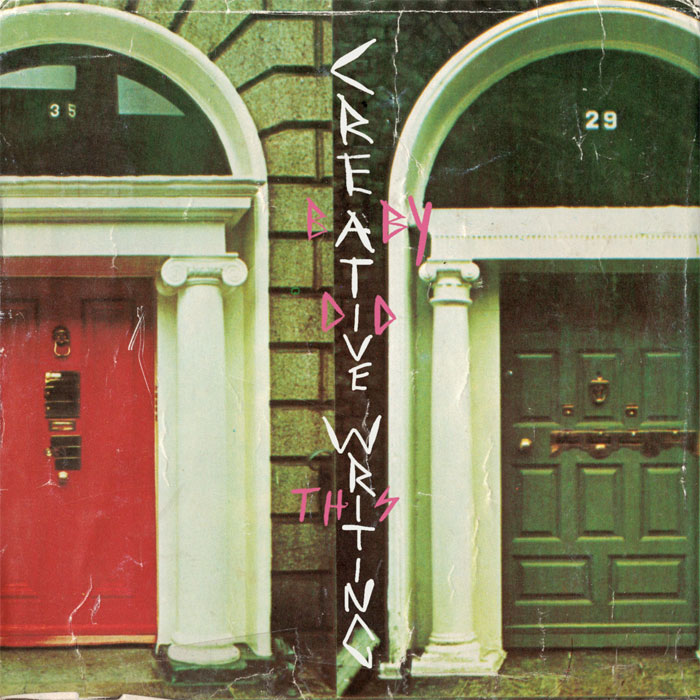
Creative Writing- Baby Did This
An early ’25 EP found Creative Writing scuffing the ‘90s with some dirt of their own, tacking through Pavement’s slack tangle with twang, skirting the underbelly of the IRS years, and dropping hints at Homestead’s lesser headliners. The latter influence keeps its hold on the new LP, offering shades of Windbreaker’s jangled charms and Big Dipper’s gnarled pop pedigree. They keep a kinship with the bands that dot comps like Strum & Thrum or Left of the Dial, the kind that may never be household names, but remain dear to armchair scene documentarians and LP librarians. Every song on Baby Did This evokes the back corner stage in a college town; a working band banging out hooks that rise above the clink of beers. This one’s destined to charm the record collectors, but it’s a near perfect dose of pop for all the indie upstarts out there.
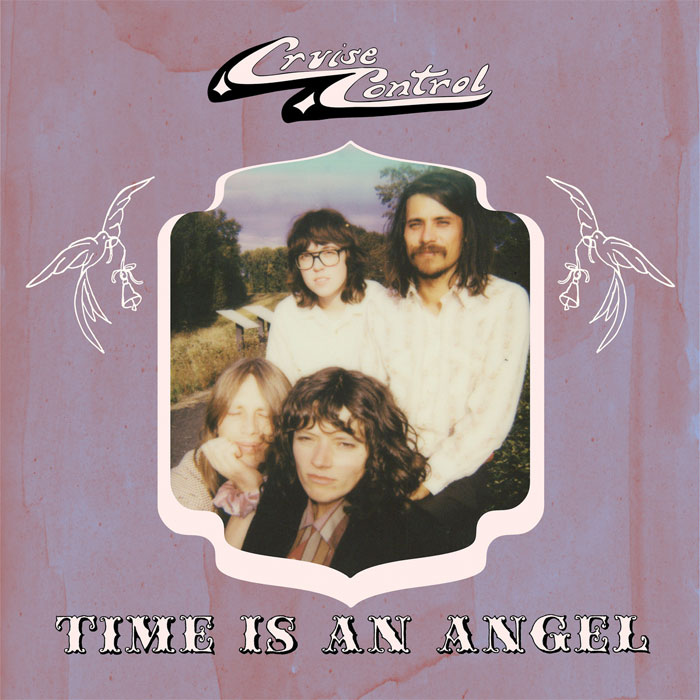
Cruise Control – Time Is An Angel
Time Is An Angel sits comfortably in the heat and humidity of twang but it’s never beholden to country, at times letting it’s pop impulses, folk hues, or indie instincts kick in and take over. The entire record soars on a sweet and clear breeze, effortlessly easy without ever tumbling into saccharine territory. There’s a definite lean into the ‘70s on the surface, but peel back the layers and shades of the psych-folk ‘00s and indie ‘90s begin to show their skin. The band weaves it together into a detailed tapestry, choosing to let their influences show in the edges, rather than enveloping a song wholesale. The melting of motives makes the record feel timeless, giving it some kind of aural umami that refuses to be pinned down.
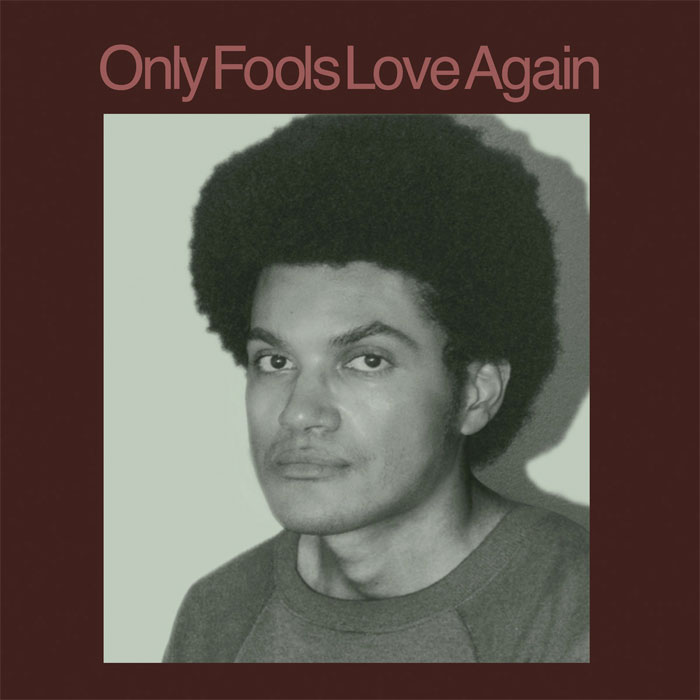
Danny Ayala – Only Fools Love Again
the new record from Danny Ayala is steeped in a sunny strain of power pop that suspends it backward and forward in time. Where others can often tumble into some glam crunch (and Ayala does from time to time), Only Fools Love Again is remarkable in its near dedication to pristine sounds. The record rips more from the Raspberries and Twilley than from the more punk leaners like The Quick, which seem to have become more of a modern touchstone for the power pop diggers. The harmonies on the record wrap it in wonders and Ayala’s attention to detail is what really pushes Only Fools Love Again to the top of the modern pop pantheon.
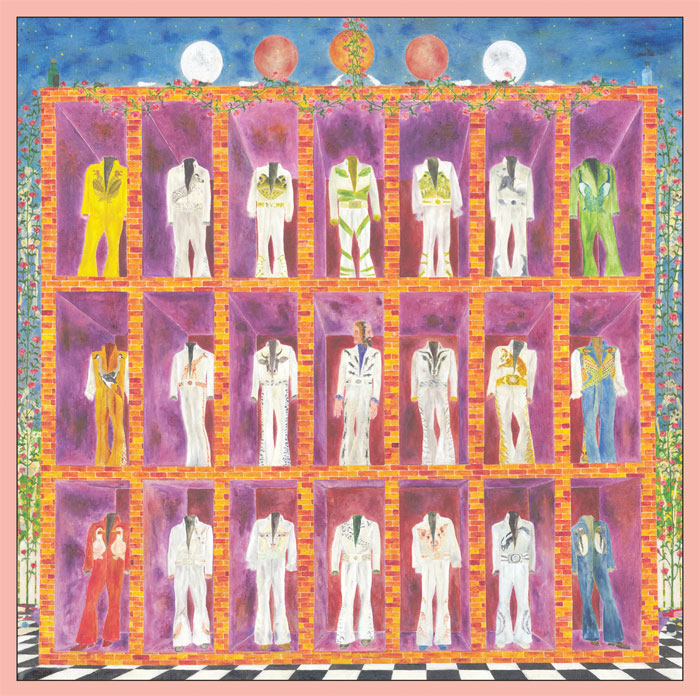
Dimples – Obscure Residue
Circling the edges of soul, indie pop, and the kind of sweat-box pop that’s long been associated with R. Stevie Moore and more recently kept burning through Alex Izenberg, Karl Frog, and Paint. In fact, Izenberg turns up on two tracks here, lending guitar to the opening two offerings. Like their contemporary, Dimples integrate the chugging JJ Cale canter into the bones of their blurry pop palette. They leave the tapes to bake in the sun just a touch, though, never playing quite the same hangdog hero as Cale, instead letting their lounge fill with a fragrant smoke. The opium den drizzle turns the record into a half-dreamt delight, something that haunts the hi-fi through the shift from drifting to drowning in the bottom end of the bottle.

Donna Allen – Atom-ic Citizen of the Dying Empire
Chronophage have long been favorites around here, working their way from art-damaged noise merchants to properly coifed New Wave wunderkinds. Taking a sojourn from her work at the helm of the phage, Donna Allen offers up her second solo album, a record riddled with strum and silvered hooks. A bit more buttoned down than its predecessor, Atom-ic Citizen of the Dying Empire feels like a kindred spirit to Chronophage’s latter day work, but retains a loose connection to Donna’s diary-entry debut. The record hooks into jangled ‘80s pop with a grander sweep, slipping knots around Athens and Dunedin and pulling them into a tight embrace. Allen has always been a magnetic presence, but this feels like the most personal work to date, a bruised, burnished gem that glows grander with each spin on the speakers.
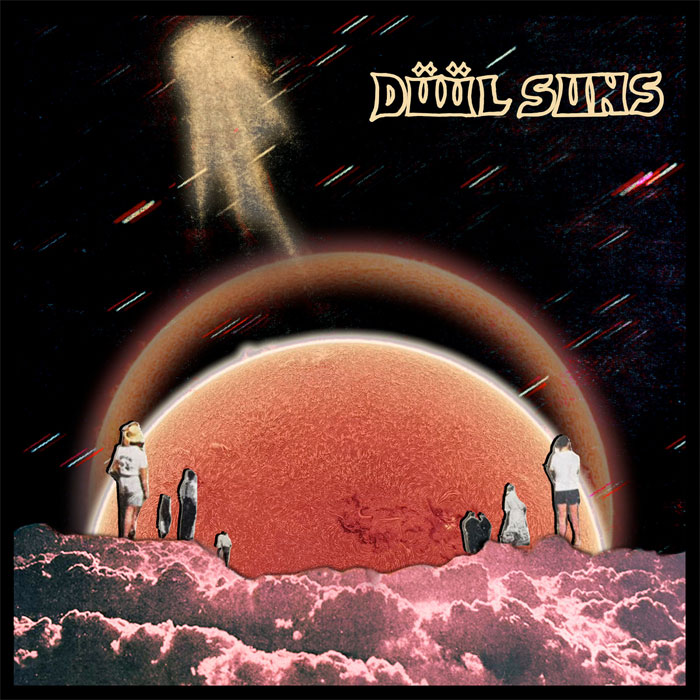
Düül Suns – Düül Suns
The record reclines in the prog fog footlights, winking knowingly at prime-era Floyd on mid-album palette cleanser “Post Drugs,” but the shade of ‘70s stalactite psych is draped all over the record, dripping down the cavern walls with nods at Soft Machine, Caravan, Gong, and Göttsching. Propelled by the pulse of Adam Kriney (La Otracina), the band dips the guitars in obsidian glass, making more than enough room for the keys to get sticky, with a spectral organ sound that comes to a head on closer “Serpentine.” Poured amber vocals permeate the record, throwing prism hues around the room in dizzying shapes. The record comes on like quicksand, slow and all-encompassing. Once it’s taken hold, it’s best to just sit back and let the darkness descend.
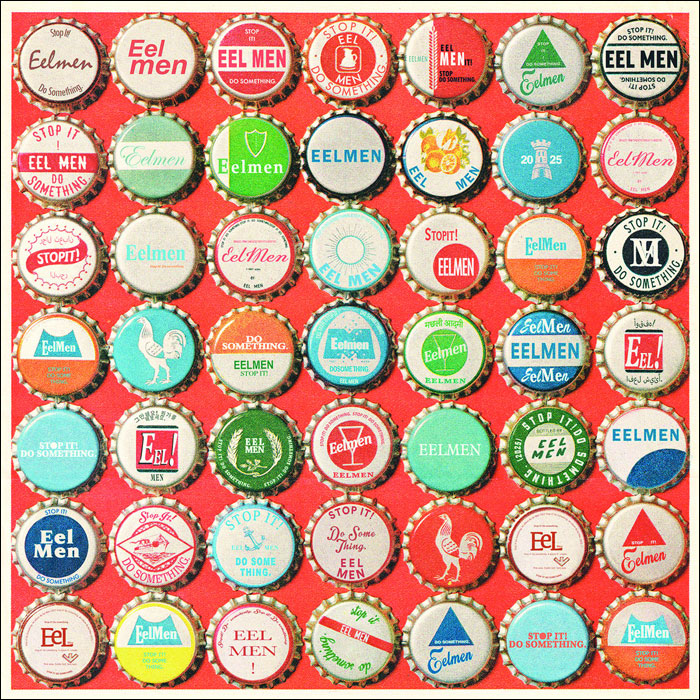
Eel Men – Stop It! Do Something
London’s Eel Men push aside chasing BBC sounds du jour for a serrated punk pummel that feels indebted to the spittle and sliced riffs of the ‘70s class. With more in common with the current crushers out of the Aussie punk enclaves than most of their UK contemporaries, Eel Men level their riffs with tightly wound precision and a few drip-dried synths that wouldn’t feel out of place on an Eddy Current or Smarts record. Like the latter two Aussie exports, they often leave the harmonies for the power poppers, slinging choruses with the precision of a paper cut. They occasionally slip a little softness in, turning on those Buzzcocks charms on early single “Sore Eyes,” but the band is at its best when the aloofness is amplified, sanding down the sunshine in favor of a more poisoned pout.
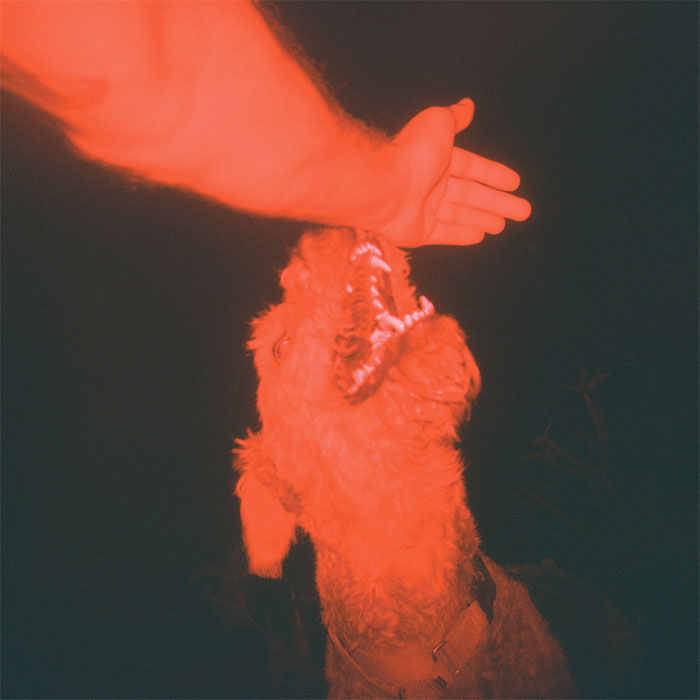
Eli Winter – A Trick of the Light
With a rotating ensemble that includes David Grubbs, Mike Watt, Andrew Scott Young, and Sam Wagster among others, the new album finds Winter both among the players and as bandleader, turning turbulent from the outset with a scorching take on Don Cherry and Ed Blackwell’s “Arabian Nightengale.” Always a bold move to open an album with a nearly side-long dive into the abyss, Winter sets the tone for the album and makes the rest of the songs work to catch up in the wake the opener’s path. Scarred, sauntered, expressive, and elegiac, the album sees Winter push himself and his band to new and depths and exhilarating heights.
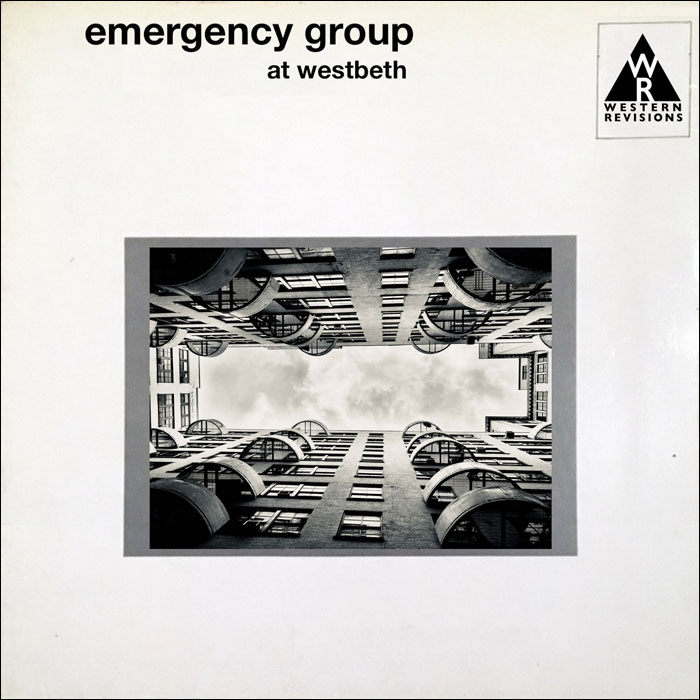
Emergency Group – At Westbeth
Recorded at Far West Studio at Westbeth Artist Housing, the first of two stunners from Emergency Group. If you’ve encountered the band in the live setting, then it’s already apparent that they’re consummate improvisors, often crafting some of their best moments on stage. On At Westbeth, the band channels frustration and rage into four longform burners built for these times. Set up as a four part suite, the pieces here gnash and snarl, churning out 4 jazz rock rippers for the ages. The band’s always locked into the electric miles and turbulent sweat of Hancock and here they aim their ire directly at the tape.

Ex-Vöid – In Love Again
On their second outing songwriters Owen Williams and Lan McArdle parry harmonies while picking apart the particulars of love and longing. McArdle’s plush vocals render the band’s songs warm and inviting. Atop the fizzing churn of the band’s indie pop, peppered with just enough punk to sate those who’ve come for the fuzzed riffs over the ringing jangles, the Vöid turns personal turbulence into whirlpools of pop. For every fizzing riff and towering wave of sound that gets thrown at the listener, the band always leaves themselves unguarded. It’s an album of soft underbelly, but in an era when artifice often outweighs authenticity, it’s nice to see a band that displays their loneliness, their insecurities, their infatuations, and their regrets in bold pastel strokes.
Footings – The Worm Moon
The Worm Moon, like its namesake, is about shaking off the sediment and growing, no matter how slowly, into something new. The record runs down its grievances through the first ten tracks, hinged on Gagne’s biting lyricism and the particularly deep furrows of Elisabeth Fuchsia’s viola. The record reaches a boil by the time it closes out with “I Won’t Go,” recorded as an independent session from the rest of the material with Charlie Chronopoulos at the Glass Factory in Wilton, NH. The song is a culmination of the tensions and frustrations littered over the rest of The Worm Moon, exploding into a cathartic burn that fuses squalls with the sentimental, ending the album on a defiant, yet confident note. It’s a mantra for The Worm Moon and a cleansing close to the album.
forever ☆ – Second Gen Dream
Mixing both the bombast and bluster of the heaviest moments in the MVB and JAMC catalog, the band works their own wonderful alchemy in the way that only someone far enough removed from the true throws of nostalgia is able. They smelt the amp fuzz and walls of fury with the breathless snap of breakbeats, finding a middle ground where Tricky and The Prodigy were equal influences on a populace as Chapterhouse and Swervedriver. They posit the past as if Hackers was more document than figment, a household staple rather than a cult confection. The record pulses with the kind of hard drum n’ bass backbeat that pierced the skin of the end of the ‘90s and let Big Beat infect pop a few years later. The band makes the frantic anxiety of their undercurrent feel like a drug-raced heartbeat trapped under the glass of our own hazy senses. Their vocals and guitars swim in the tidal waters of murk, churning the maelstrom while slowing everything down in syrupy repose. Forever ☆ feel like the first band to ditch the pedestal of the past in favor of a glimpse of what could have been, an idealized ‘90s sound that acts as the soundtrack to the Mandela effect.
Freckle – Freckle
I think, among Segall’s output, I’ve always found a certain charm in the collaborative releases. These records bring out a different side of Ty, one that still displays the consummate pop-psych sorcerer, but also an artist who’s open to a sonic give and take. Past releases with White Fence, Brian Chippendale, Mikal Cronin, and Cory Hanson have numbered among his most eclectic offerings. Now, it’s another Corey that makes it into the midst, with Freckle finding Ty in league with Corey Madden of RSTB faves Color Green. The new album slips back away from some of the synth scars and scorched hooks that have permeated Ty’s recent work, feeling like a bit of a return to form. The record finds the pair exploring the loose and lysergic glam gone gooey that permeated the Self-Titled record, Freedom’s Goblin, and First Taste.
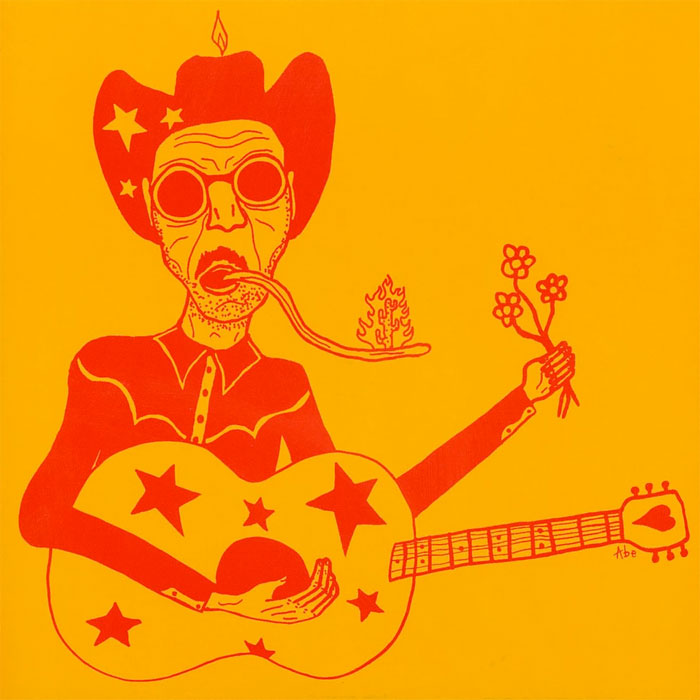
Garrett T. Capps – Life is Strange
Life Is Strange tips towards the crossfade years of the late ‘80s early ‘90s, when country found time to get roughed up with alt barnacles from the Rockville and Twin/Tone troughs. The record emerges from the haze with an existential dread and a shaggy reluctance to let life mow you down into straight rows. Hung on Capps’ graveled drawl, the album holds an obvious appeal to the Tupelo/Son Volt contingent. The bulk of the bruised tales here certainly find themselves hangin’ on the same screen door that banged the back porch of the No Depression domicile, fitting in nicely with The Jayhawks and Giant Sand camps as well. In the hands of a lesser songwriter, the themes could feel cheap, but Capps careens through dashed dreams, inevitable loss, and the claustrophobia of modern life with the rough stubble charm of the kind of troubadours that skip the limelight in favor of legendary status.
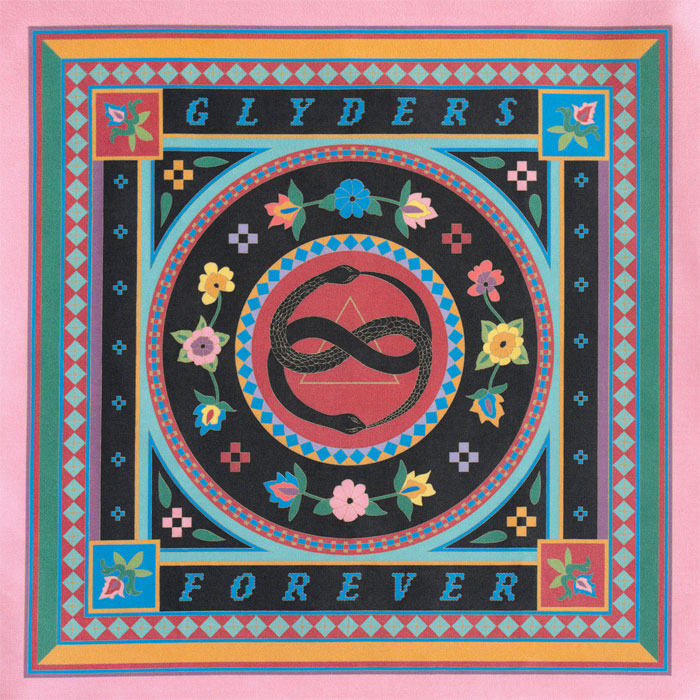
Glyders – Forever
With Forever, the band makes good on those expectations, still stirring that genre brew, and letting the components grow wilder in the intervening years. They barrel roll through the gate on those greased blues instincts. Choked exhaust thunder has long been the band’s best weapon and they skid into the scene with “Super Glyde,” followed in short order by “Stone Shadow.” It’s a potent reminder of how heavy the band can be when they focus their brass knuckled choogle. The album is, on the whole, encased in a tougher shell than their previous record. Those garage-blues pummelers cropped up on Maria’s Hunt, but there were plenty of stops to cool and collect among the strums and country air. On Forever, the band seems less inclined to let up, and maybe that’s a reflection of the times we’re tackling. 2025 calls for hackles, begs for the bristled exterior of the opening pair or the glazed psych scorch of “Hard Ride.” When Glyders let their guard down, though, they’ve still got a tenderness that’s hard to match.
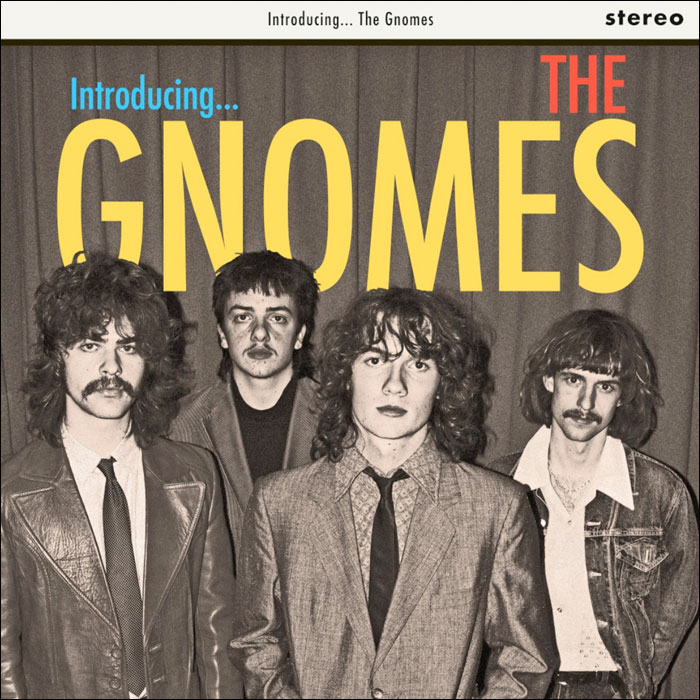
The Gnomes – The Gnomes
There’s no shortage of bands lionizing the past, but more often these days it’s watery psych-pop and bedroom-born versions of JK and Co. There’s little softness in the mix, and even fewer psychedelics on Introducing… The Gnomes. The band captures the pre-Summer of Love explosion from suit-matched manners to winking hijinks that slipped fuzztone into the living room and onto the family stereo. The band skews closer to the haggard heat of the garage beat — pre-concept-era Kinks, The Animals at their most un-coiffed, or The Guess Who in their shaggy early years. The Gnomes succeed best when they suture the softness to the scorch, lacing deceptively sweet harmonies over the amp-fried din of “I Like It,” or the quasi-power pop of “I’m Not The One.” The band’s debut is a record dipped in a love for classic aesthetics, but infused with the ragged youth, and unapologetic zeal that always made garage pop vital.
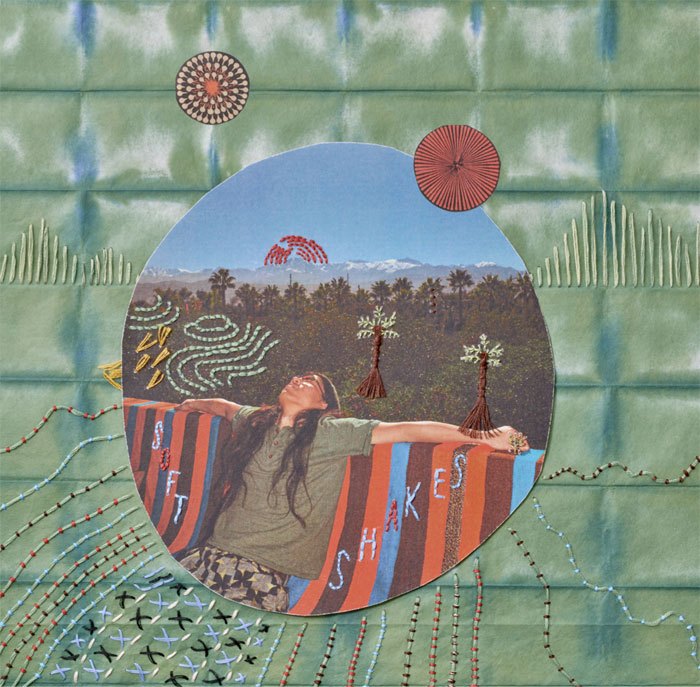
Go Kurosawa – Soft Shakes
It’s been three years since Kikagaku Moyo took an indefinite hiatus, leaving fans with an ache for more. For his first solo album, Kikagaku Moyo drummer and Guruguru labelhead Go Kurosawa shifts slightly from the band’s psychedelics, working in a less structured manner on his debut. The record slinks towards Kosmiche, buffeted by a bed of rhythm that burbles with a delightful insistence. Kurosawa thrives on repetition and vapor trails of brass, lacing in vocals just below the surface. It feels like a kindred spirit to works from label standout Maya Ongaku, capturing the same languid, aqueous auras that the band has made their specialty. There’s no filling the hole that Kikagaku Moyo has left in the heart, but Kurosawa is pushing forward in the solo sphere, carving out a new legacy that’s as hard to pin down as their own.
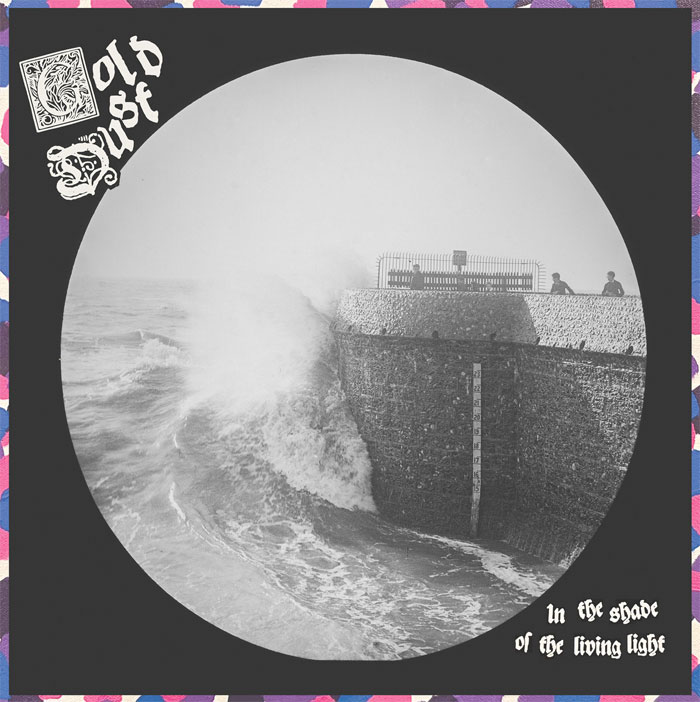
Gold Dust – In The Shade of the Living Light
In The Shade of the Living Light is an album that’s about rebirth, a second act set to shed some scars and break through the veil towards the light. The record still centers on the psychedelics that rippled through Gold Dust in the past, but this time the tumult has been turned to the top of the dial. The record ripples with heat, inspired in part by Western Mass’ long history with prickly, communal psych. The record feels like a bigger vision, a melted meeting house that draws the folk out of Pierce’s wounds and cauterizes them with a new psychedelic heat. If the past records were the incubation, this one is breaks out of its shell brilliantly, a record that draws listeners close, and leaves a few lacerations on the way out.
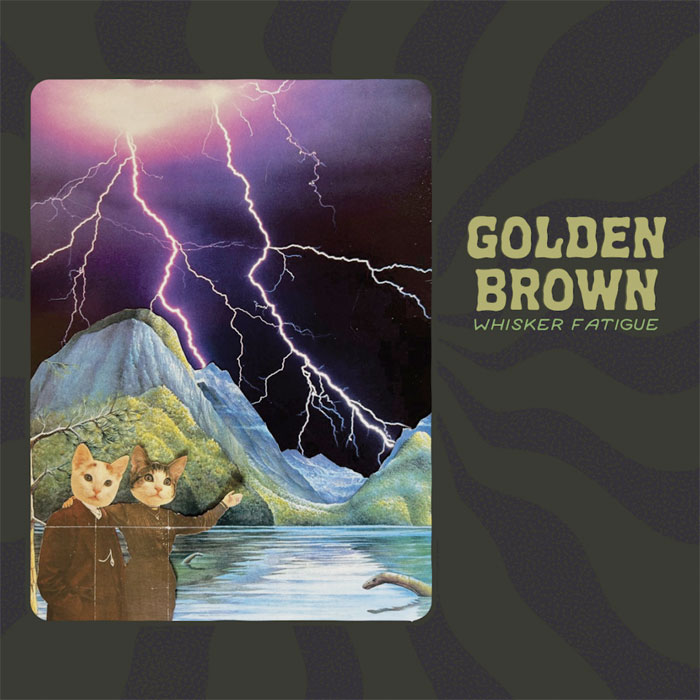
Golden Brown – Whisker Fatigue.
Quite a bit of Prairiewolf’s twilight shiver sneaks into Whisker Fatigue. The record starts out deep in the darkness of dub, a gooey, irradiated epic named for an extinct frog that finds Beck as entrenched in the humid highlands as he’s ever been. The record doesn’t leave the dubplate there, either, slipping further into the ether on the title track. The rubbery textures make this a more summer-bound platter, a counterpoint to Golden Brown’s bouts of icy ambiance and autumnal hues that have found their way into the works in the past. The album closes out with an otherworldly shimmer, cementing a new chapter for Golden Brown, one that’s not borne out of the pastoral, Western front, but somewhere deeper, danker; swamp-swaddled topography that’s far and away from the mountain zones of Beck’s Colorado confines.
Golomb – The Beat Goes On
Golomb chew on the ’70s the way the class of ’94 might have. The band is equally on even ground with power pop as they are with heavier stretches that work the din and dirge. They catapult big pop hooks like GBV (“Staring) or less celebrated cousins Imperial Teen (“Pressure”). They knit spiderwebs of wonder like Built To Spill (“Be Here Now”), showcasing their aptitude for nimble picking and ponderous harmonies. Early single “Real Power” pushes their pop needle towards its limit, crushing dreamy harmonies into crunchy riffs, then taking the listener to indie rock church at the end as they let those voices soar; a euphoric peak that tosses the record off the ledge and catches it in a cushion of pop. The band’s brilliance is that the record never feels like a jumble of influences, but rather like a scroll through the best freeform radio station. Their left of the dial approach turns The Beat Goes On into a loving homage and a study in alchemy, turning late night YouTube rabbit holes into an album’s worth of gold.
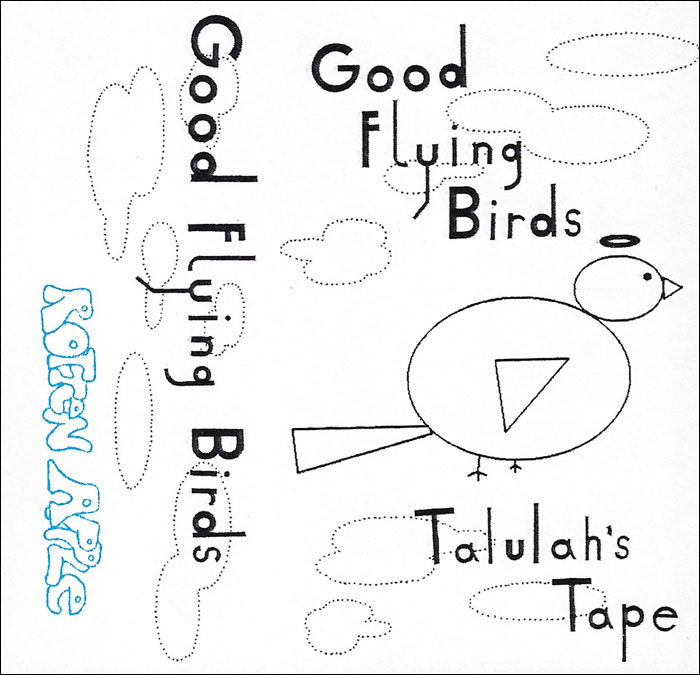
Good Flying Birds – Talulah’s Tape
The album is a collection of home recordings from 2020-2024, a dinged and dented vision of indie pop that’s not afraid to let some debris onto the spools. The band stitches together the disparate sessions into a patchwork quilt of squelched strums, candy-gunked hooks, and static-saturated interludes. The record revels in the free range openness of the pre-major label scoop of the nineties and, in equal measure, the tape renaissance of the aughts. It’s certainly a record that feels reverent to the indie rosters of the past, but more importantly to the ethos of doing what feels the most fun over the most functional. That this is the band left to their unvarnished devices speaks well for what’s to come, but even without an eye on the future, Talulah’s Tape is a treasure trove of jangle at its skinned-knees best.
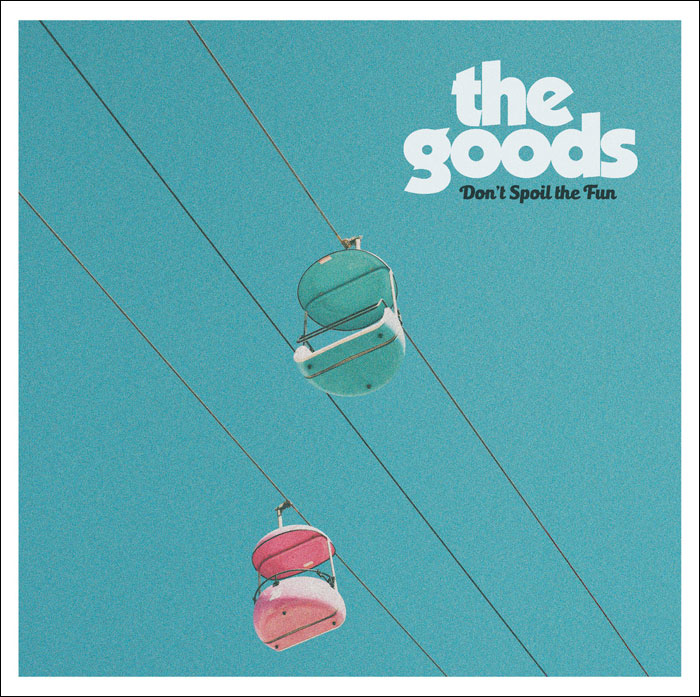
The Goods – Don’t Spoil the Fun
Oakland’s jangled gems The Goods offer a beacon of levity, a classic bout of power pop that jumbles early ‘80s touches with the punch and pounce of the ‘90s variety. The band doesn’t shy from sunny strums or joyful jangles, but like quite a few of the ‘90s class they turn the volume up on the formula, feeling like the joy of of their songs might burst through the speakers like an overinflated balloon. With nods to The Blondes, Matthew Sweet, Teenage Fanclub, and Velocity-era Apples in Stereo, they give their Byrdsian strums a superheated saturation, hues so huge they’re impossible to ignore.
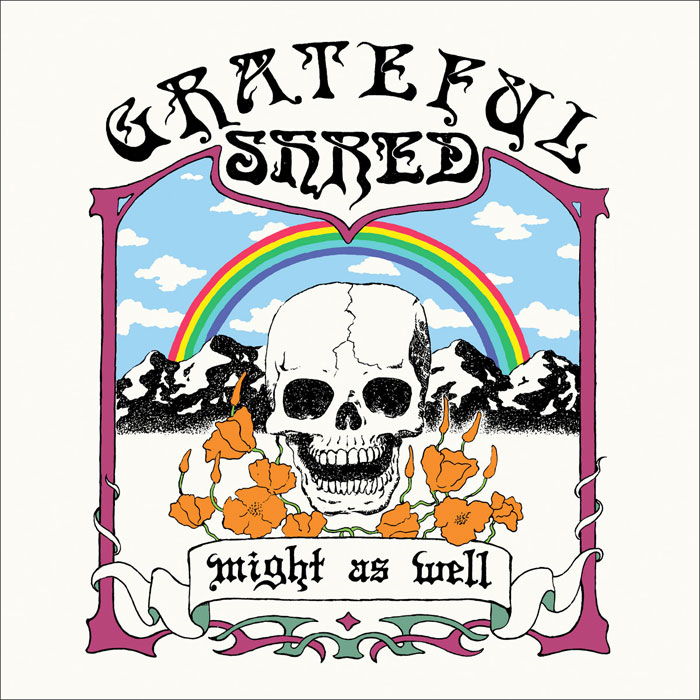
Grateful Shred – Might As Well
In quite a few hands, the idea of a full length LP coming out of a tribute band seems like it might be indulgent or even unnecessary. Who needs the shadow when you’ve already got the sun, eh? But the focus and foundations of Grateful Shred have always been to not cover their subject in a straightforward manner, and that’s at the heart of Might As Well. Seeking to dig up the lesser known, or at least lesser focused upon corners of the Dead, the band is much more than your local “Dark Star” dealers. For their first record, the band rounds up songs that have been staples of their set, digging into rarities, JGB stalwarts, and early-era blues covers. The band looks to corners of the catalog that were never previously recorded in the studio and lets that be the guideline, an admirable angle, and one that feels like way more than a tribute.
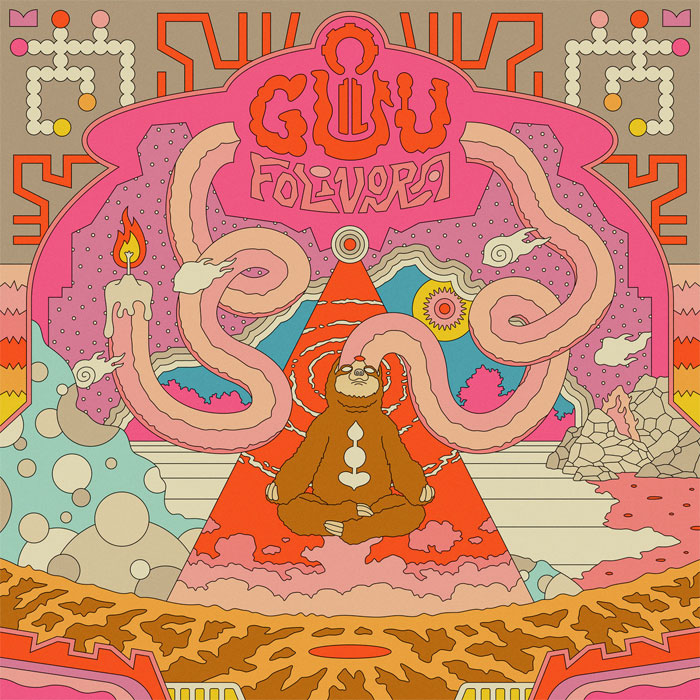
GUU – Folivora
GUU first hit the speakers around here when they appeared on an indispensable comp from Guruguru Brain last year. The song from that comp, “Split My Body” resurfaces on the band’s new EP Folivora. An interconnected collection of songs, the EP finds the Indonesian band deep in the arms of prog and psych. “Split My Body” is still a standout, percolating on a patter of bass, scorched guitars, and the enchanting vocals of Sasque Alea Casta. The band pushes beyond the song’s brilliant bluster, enmeshing the second half of the EP in a three part suite that radiates a more experimental tone. Synths shimmer on part I, easing the listener into the arc of “Folivora’s” allure. The band’s polyrhythms push the suite along, the charred guitars undercut the sweetness of Casta’s siren call on parts II and III. It’s an EP that feels far deeper than the five tracks let on, a nugget of fusion that bubbles with lysergic life.
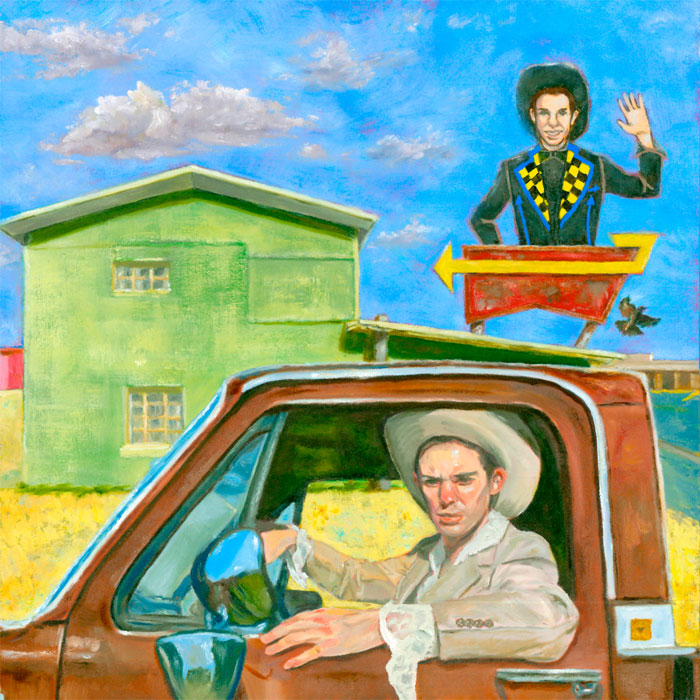
Hayden Pedigo – I’ll Be Waving As You Drive Away
A leaving record at heart, I’ll Be Waving As You Drive Away, is an intimate portrayal of grief and ennui dressed up in subtle psychedelic colors. Not as straightforward as some of his past albums, which have been painterly studies in guitar, this time around his fretwork is framed by a wealth of accompaniment that dip his longing in deep shadows of cinematic prog. Pedigo sews shut his Motor Trilogy with tenderness and care, but also a little mystery. It would be easy to just soak the listener in sanguine strums, but the third chapter has a feeling of progression, end credits that leave more questions than answers.
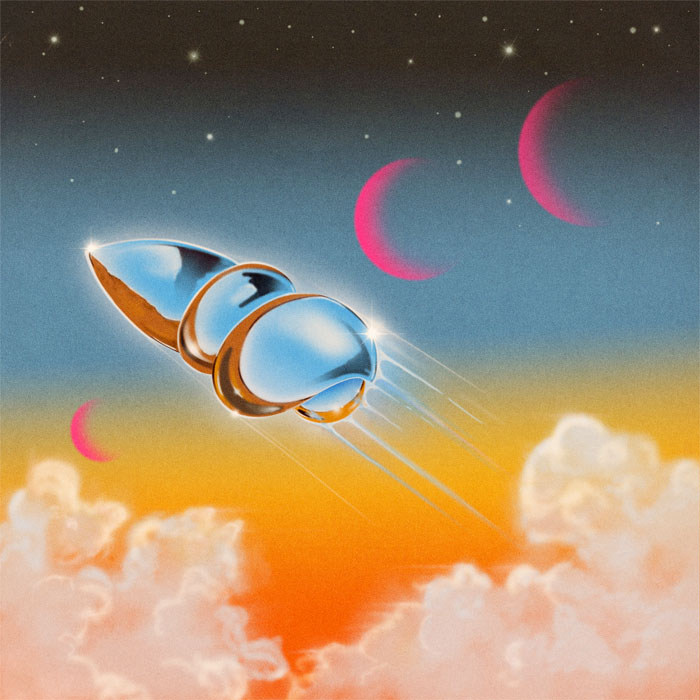
Hooveriii – Manhunter
The band’s last few albums have built up their studio prowess, culminating in the widescreen wonders of 2023’s Pointe. The album turned their stage-gnarled sound into something bigger, a more ornate vision that found prog taking center stage. For the follow-up, the band leans back into instincts. Recorded fast n’ fuzzy with Eric Bauer at Discount Mirrors, the record still has a coat of wax on its hooks, but the pace feels less precise. The crucible cooks the cuts well, and Manhunter sweats sonic heat from every pore. The band loosens the handling, still sparkling with a glossy finish, but driving their songs with a new abandon. Hoover and co aren’t afraid to scuff ‘em up from time to time here. The band has proven that they can plan and plot and turn their turbulence into a nine and a half-minute epic, but here they assert that under the gun they can wrestle chaos into catharsis and sound good doing it.
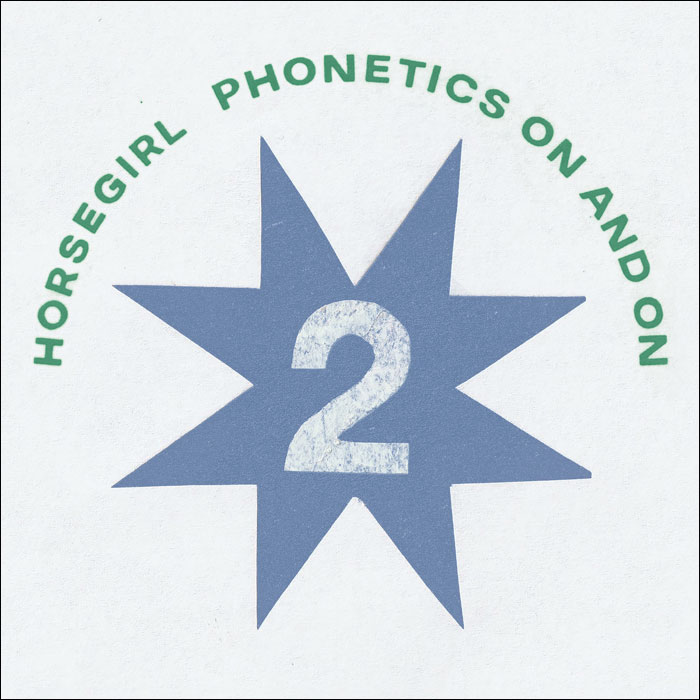
Horsegirl – Phonetics On and On
Crafting a collection of songs that growl with a penned in ferocity, the debut also operated under the shadows of their elders’ amplifiers. With Phonetics On and On the band really sounds like they’re coming into their own, starting to climb the pedestal that’s been thrust under them. The record stretches out, and loses quite a bit of the claustrophobic tension of the last album. Guitars still set the tone, but the smudges of the ‘90s have cleared away in favor of post-punk’s austerity and icy exhale.

Jeff Tobias – One Hundredfold Now in This Age
Jumping in where he left off on Recurring Dream, Tobias moves further from the scorch of his years with Sunwatchers, though the socio-political landscapes remain. On the last album they were snuck into the syrup, an almost subliminal frequency below the bloom of orchestral hues. Here, they form the backbone of the album, sprouting pop embellishments around the edges of Jeff’s interconnected tapestry of national decline. At its core, the record is about community, a reminder that we’re not hallucinating the horrors, but that were also not alone in experiencing them. Anger mixes with disorientation in the spoken word passages; rabbit holes that illustrate the daily warp of reality. Even below those passages, there’s always hope. The album’s strength lies in this hope, an ebullience that seeps out of every seam, a humor that helps through the dark. In dark times most are looking for the lit match to ignite their invective, but a soft place to fall can be just as useful. One Hundredfold offers us open arms and knowing nods.
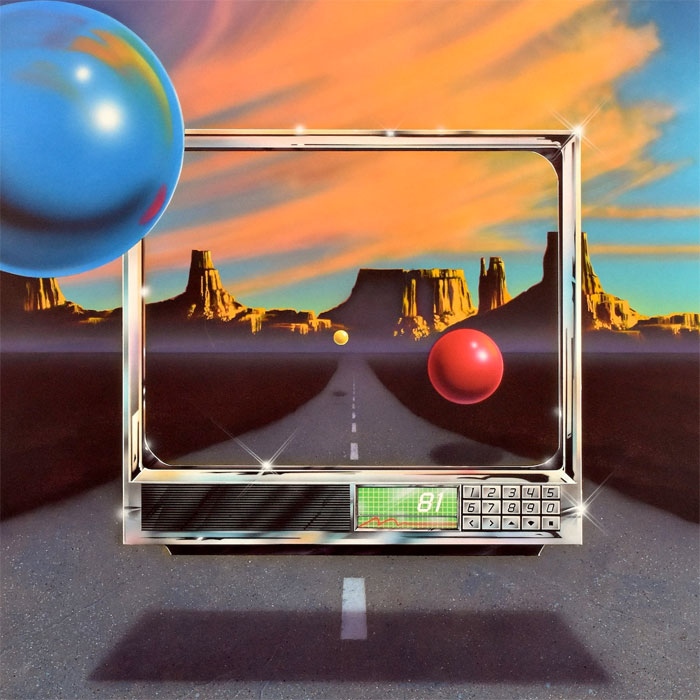
Joe Harvey-White & Bobby Lee – Last Ride
The pair’s first full length expands on the hypnotic choogle that anchors Bobby’s solo records, bridging highland mountains with a distant Western Sun. The record exists in some intangible haze; a bakelight bridge to the past that reverberates in the V-hold flicker of home videos from forgotten desert expanses. The album hovers in hallucinations of the desert — dehydration delusions fighting for space with heat and peyote among the brain’s short circuits and hot wire wonders to soundtrack a lysergic landscape. The pair are both no rookies to the wrangle of the cosmic shades of Americana and country, and here they offer up an album that’s doused in a quivering lightness, a heat-ripple conduit from the plateaus to pulsars.
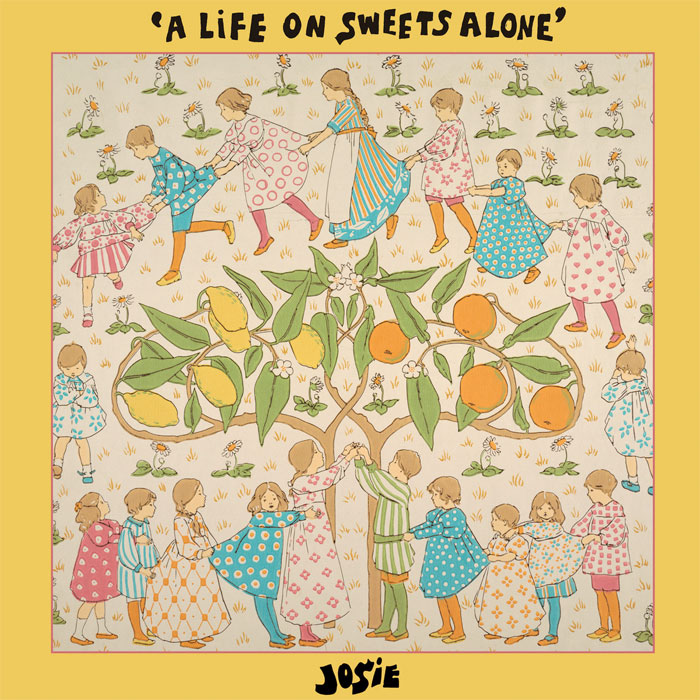
Josie – A Life On Sweets Alone
Josie sugar up the blood with the same energy as ‘90s pop confections like Tiger Trap, Talulah Gosh, or The Vaselines. In that vein, the band bashes out breathless hooks with a crash and tumble, the kind that threaten to trip them up as they sprint through their paces, but they hang on loosely with a positive pounce that delivers a bit of sun in a dour year. Some of the best indie pop forgoes meticulous studio construction in favor of the bounce of pop’s beautiful recklessness. Josie pick up the yoke from a long line of luminaries and hold it well. The band taps into immediacy, making each song feel like it tears open the tie downs, escalating into cascades of strums, a clatter of drums, and joyfully tossed choruses that just as often resolve into gleeful yelps as they do tender sighs.
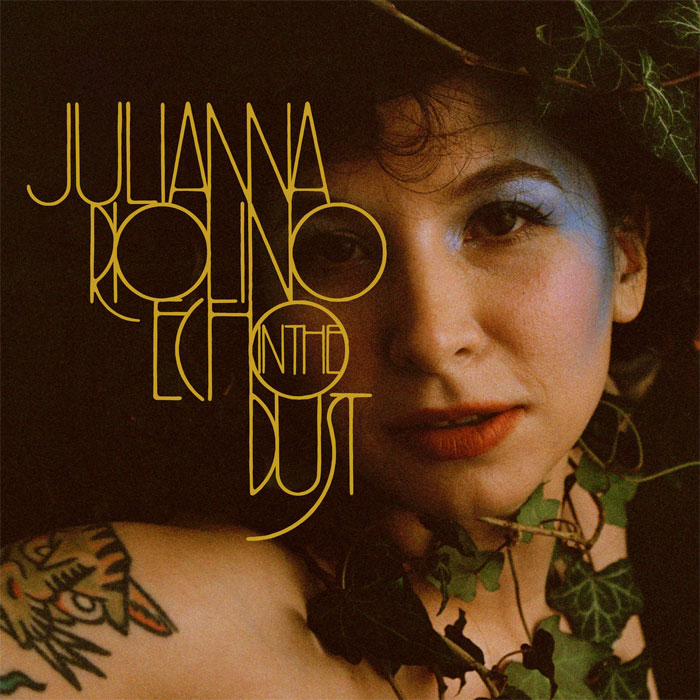
Julianna Riolino – Echo In The Dust
For her latest, Julianna doubles down on the classic aura, a record that finds her as assured as ever at the helm. The arrangements are bigger, bolder, and brimming with a sense that Riolino isn’t holding anything back on Echo in the Dust. Not that the last album demurred, but widescreen epics like “Seed,” which takes some turns from the Dusty In Memphis playbook, and “It’s A Shakedown,” that finds Riolino turning time and temperature on a dime, show an adventurousness that’s not to be discounted. The lines between rock and country blur even more than ever, soaring through organ swells, burnt into blistered chords, hung heavy in harmonies. The album’s intertwined nature themes reflect bloom and rebirth, a transformative process that’s mapped across moments of joy, grief, grievance, and growth. It’s a record that wins by not playing safe, a studio wonder that only grows deeper with each listen. With her last Riolino stepped out from the shadow of others, but on Echo in the Dust, she aims to cast her own.
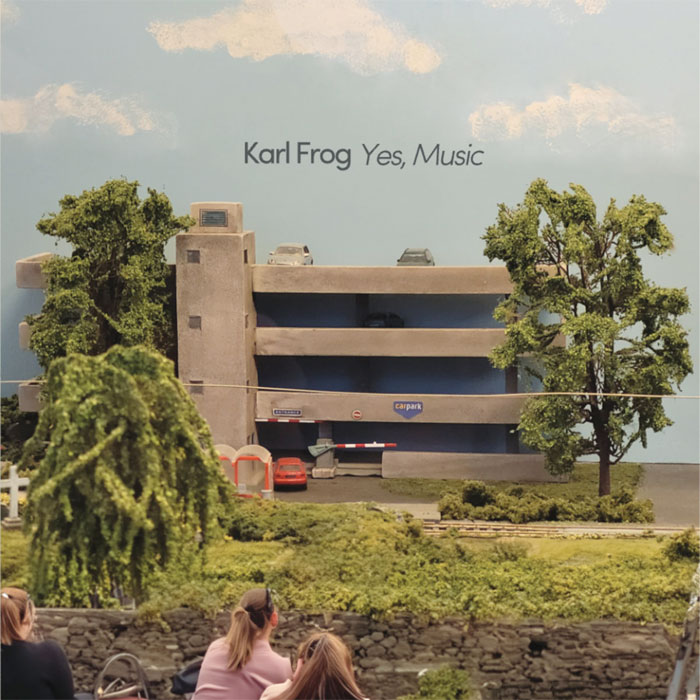
Karl Frog – Yes, Music
The third in a trio of albums from the past few years, Yes, Music is a more widescreen version of Karl’s pop vision. Opening up with the opulence of “Colonial Hearts,” the album slips synth and shimmer into a palette that skips from Byrne and solo Eno to his admitted love for post-Lizzy Phil Lynott. Dash in some Sparks and a touch of XTC and the record finds slippery footing between New Wave and Art Rock camps. Like Byrne at his best, the LP has a kind of off-beat funk to it, dancing between the lines in erratic fits and starts. The bass keeps listeners’ feet in constant motion, tapping and toeing in opposition to the steadfast calm of Karl’s lyrical laments.
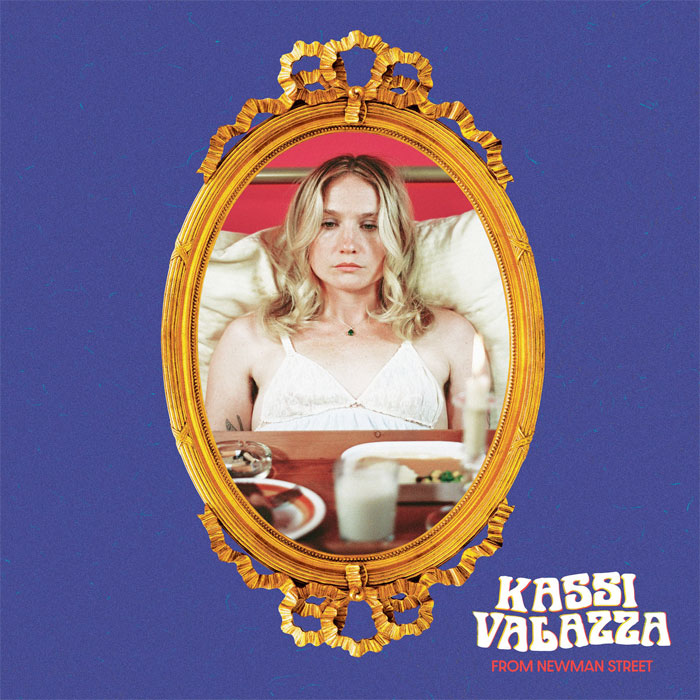
Kassi Valazza – From Newman Street
The record boasts some of Valazza’s most vibrant songs, from the Joni reflections of “Your Heart’s A Tin Box,” to the mirrored maze of “Time Is Round,” playing out its plaintive whisper among a few psychedelic refractions. Though, vibrant doesn’t by any means imply upbeat. The record also finds Kassi diving deep into contemplative corners, curling through the air like candle smoke on “Small Things,” and singing through the sighs on “Weight of the Wheel.” Like her last, the record is a masterful distillation of the connections between country and folk, following the Ley Lines between the genres.
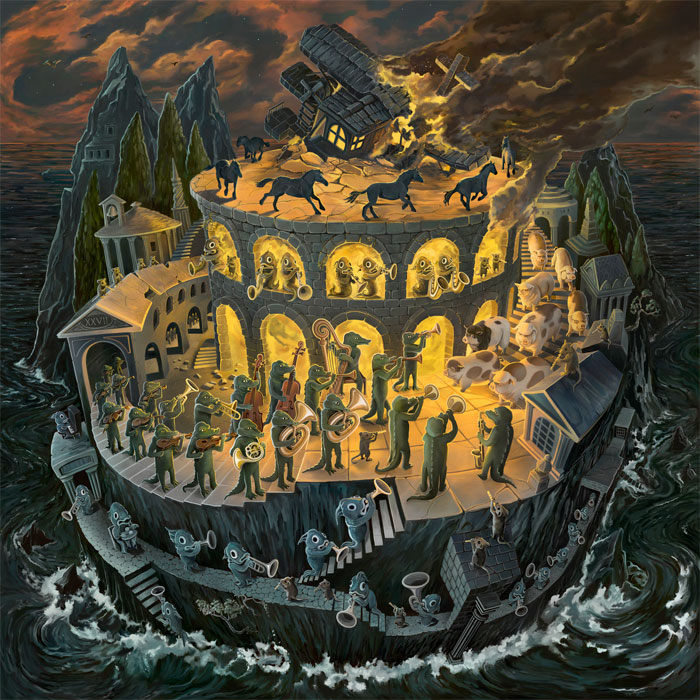
King Gizzard and the Lizard Wizard – Phantom Island
Last year’s Flight b741 was a welcome return for me, a record that dialed down the excess, and cut to the core fun of the band. That album slipped into the arms of Cosmic Americana; a gooey, groovy jam-oriented record that embraced their status as darlings of the American stadium circuit. It also swerved back towards a simplicity that’s been gone from the Gizz for a little while, and the return was a nice reset. Where to go from country-cooked rock ripplers but further into the fray, right? For Phantom Island the band turns outward, away from the practice space boogie belters and into the arc of their never wavering ambition. After a chance meeting with the LA Orchestra planted the seeds of a symphonic collaboration in their mind, the band began to craft a grandiose album, one that splashes across the speakers like a ‘70s rock opera, albeit with the kind of curdled smirks that seem to accompany the Gizz and co. from album to album. For a band that’s always felt larger than life, this may be the Lizard at its largest. The listener is hurtled along a kaleidoscopic journey of groove and gloss, a speaker-encrusted bus blasting brass and boogie down the Rainbow Road.
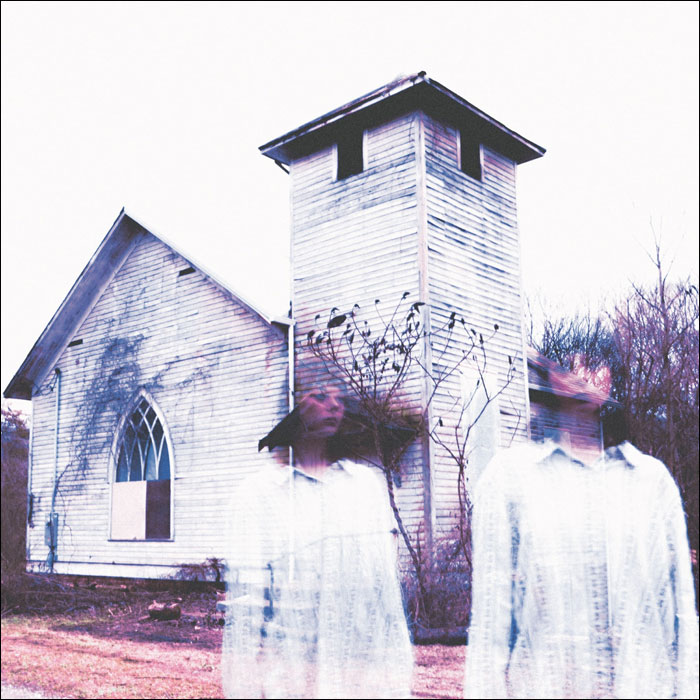
The Laughing Chimes – Whispers In The Speech Machine
After a stretch of exploratory singles and EPs, the band has resurfaced for a sophomore album, shedding some of the skin of their lighter jangle fare for an album that’s shouldering the weight of The Rust Belt, catching the wind as it whispers through the crumbling specter of the American industrial age. Dipped in drama, the record watches the jangles of C86 slip quietly away in the rear view, aligning itself with the sublime sweep of The Church, Echo and the Bunnymen, and Psychedelic Furs.
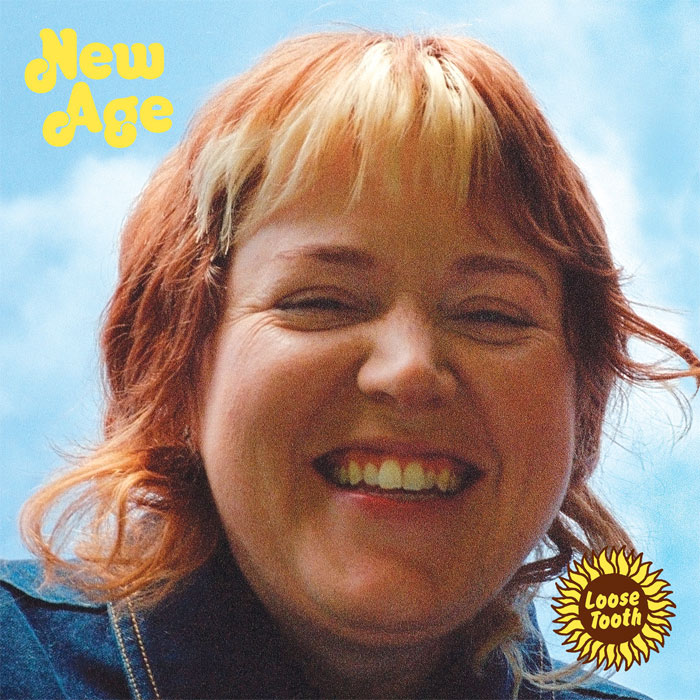
Loose Tooth – New Age
Shifting priorities towards life choices, both returned to get new degrees and permanent addresse, with Etta embracing family life. That kind of priority shift feels familiar to many, and it’s a big part of the album’s themes. The shift left less emphasis on the band, for a time at least, but old habits die hard and New Age feels just as vibrant as their debut. New Age embraces bigger sounds and fuller arrangements, a testament to letting an album cook for a few years, without letting things get overworked. Keys and pedal steel pop into view on a few tracks, but the band wields the wired duo dynamic of drums and guitar for the bulk of the record, slinging fuzz riffs, huge hits, and the kind of hooks that tug you out of sleep with their insistent itch.
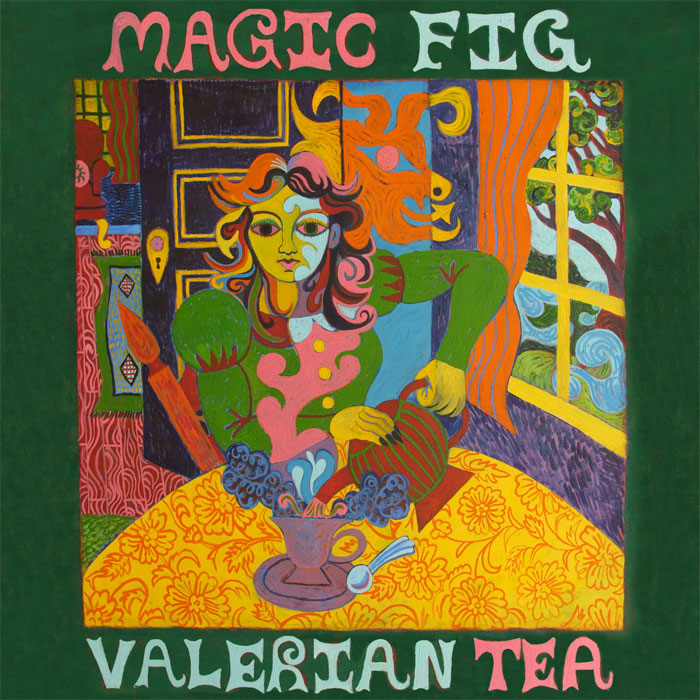
Magic Fig – Valerian Tea
On their debut album, Magic Fig only deepen their devotion to the psychedelic swirl. The band plays the prog card from the very first moments on Valerian Tea, backing up Inna Showalter’s soaring vocals with dreamy blossoms of mellotron and a burbling rhythmic ripple. The EP dipped its toes into the push and pull of ‘60s psych vs ‘90s synth swaths, but the full LP envelops the listener like a Radiophonic dream. Skipping frequencies from Broadcast to Caravan, from Fifty Foot Hose to a bevy of Joe Byrd creations, the record wraps the world in prismatic hues. Every note is ensconced in velvet, every chord hanging on the edges of a dream. The record divines the kind of crepe paper Diorama that’s been lost among the analog airwaves of the past.
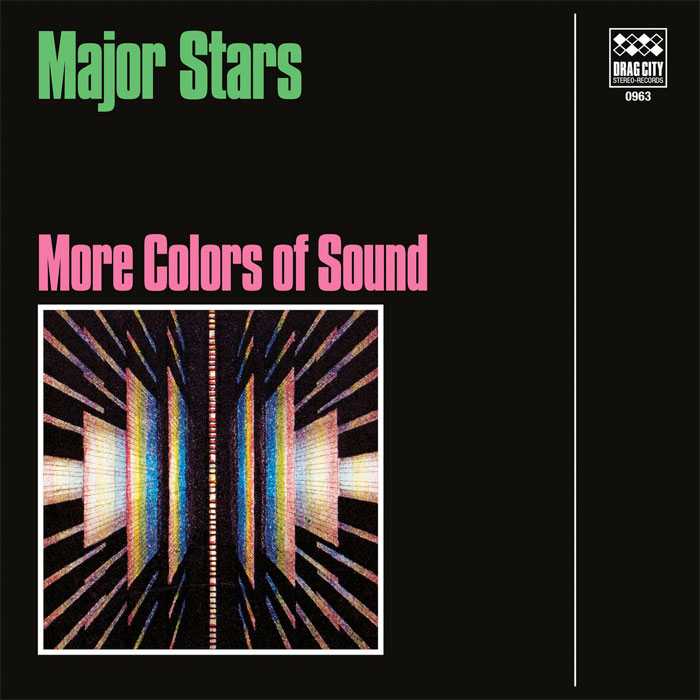
Major Stars – More Colors of Sound
till rooted in the riotous joy of their three guitar onslaught, the new record bears the mark of being the first not to be solely driven by the songs of Wayne Rogers. Over the past few years singer Noell Dorsey has become a larger presence and More Colors of Sound boasts the debut of songs that bear the mark of the songwriting team of Dorsey and guitarist Tom Leonard. While the credits tell the tale on the back of the sleeve, in the grooves no one’s the wiser as Dorsey and Leonard’s singe matches Rogers own creosote creations toe to toe. The Stars have long been known for braiding guitar wire works, but as they evolved into their full force over the years their ability to splice searing psychedelics with soaring vocals has become just as heavy a hallmark. The band doesn’t have a bad mark on their record, but the songwriting shakeup feels like a fresh vision of the band, offering a dynamic dose of ebb and flow that the band’s always hinted at, but embraces full force on More Colors of Sound. 27 years in the band feels like they’re just hitting stride and ready for more.
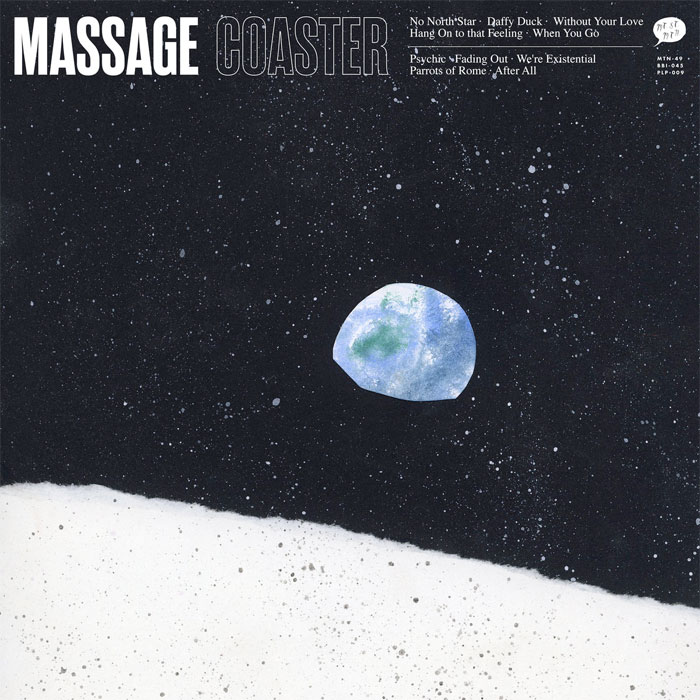
Massage – No North Star
The new record is doused in spiraling guitars, downy keys, and the kind of smudged sonics that make heartache heal in the embrace of their blurry bounty. Now, the band’s gonna demure and tell you this is just college rock to them, and with a widened scope, it absolutely is. However that all depends on when you were hitting the books, and with a greater emphasis this time around on the plush wonders of Echo, The Cure, The Clean, and The Bats, it’s hard to shake the New Wave shudders that slip through the cracks on Coaster. The band taps into the emotional undercurrent of the late ‘80s, indie pop that’s dealing with the growing pains of maturity and the reality of wounds that don’t heal like they once did when the years seemed endless.

Matthew Dunn – Love Raiders
Still draped in a meticulous studio grace, Love Raiders also injects a touch of shagginess into the mix, balancing the gloss of his solo guise with a few bouts of the Cosmic American choogle and psychedelic char that long ago brought him to my speakers. The new record is nothing short of ambitious; a double album’s worth of wonders co-produced with Dunn’s latter-day foil Asher Gould-Murtagh. A self-described “rural-glam opus,” the album blends country, folk, AOR, and, yeah a bit of the platformed crunch, into the kind of gatefold boogie booster that would make Ty Segall blush. Yet, it also serves as the kind of deep-inhale inventory of the past that makes use of the brushes left aside by Young, Clark, and Browne.
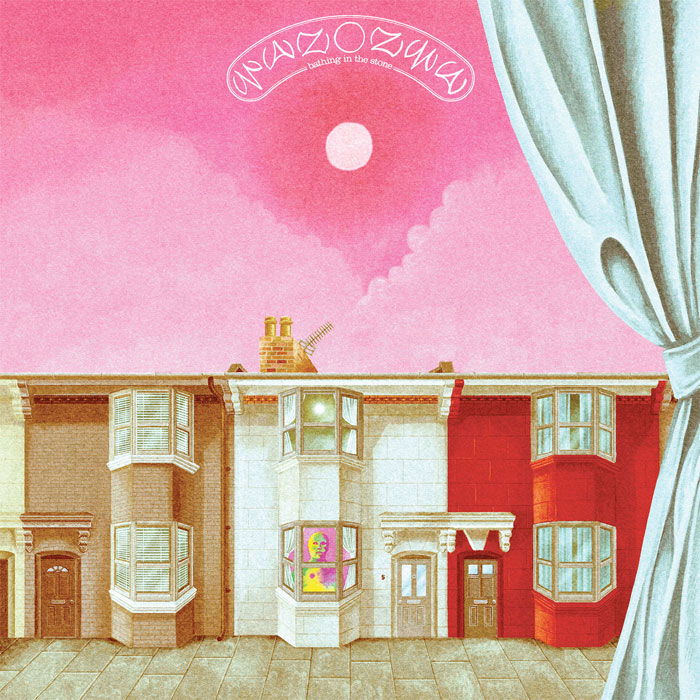
Mazozma – Bathing In The Stone
The record moves through moon phases, chilly and calm, haunted by specters that reach out from the shadows. The record boasts a big step up in sound from the past few Mozozma releases, pulling Turner’s wind-torn folk onto a bigger sound stage without losing any of the band’s inherent loneliness. The close-mic connection that Turner fosters on the album drags the listener into his oubliette, a companion at the bottom of the well watching shadows and shades of light move through the cracks above. Sure, on paper that might sound morose, but there’s something comforting, even calming about Turner’s songs on Bathing In The Stone. Current times are fraught with fatigue, friction, and anxiety, and somewhere in the resigned sighs of the record there’s a solace that allows the listener to let themselves bleed, bruise, and maybe eventually heal.
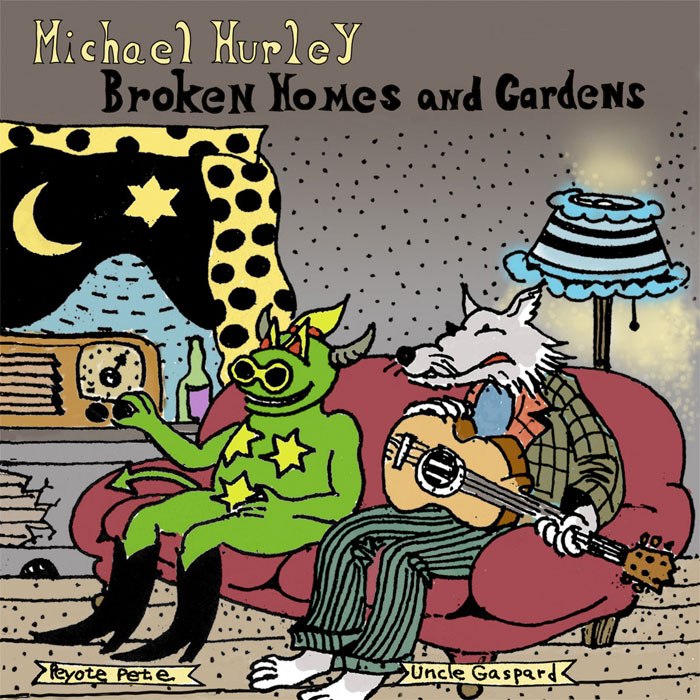
Michael Hurley – Broken Homes and Gardens
The enduring appeal of Michael Hurley remains a bright spot in a darkened world. That light dimmed quite bit when he passed away this year, but Snock leaves behind an enduring legacy, both in the uptick in reissues lately, and with a steady stream of new releases. Mississippi Records and Feeding Tube kept the flame alive in the 2000s, and in the last few years No Quarter took up the mantle of home to Hurley. It’s there that his last document rests, an album that should appeal to longtime fans of his weathered leather folk forms. Hurley was a singular voice; part town square truth teller, part vaudeville spell caster. His songs have an ability to ramble though grassy blues, tied up with burn pile smoke and sweet breezes, and more refined forms with ease. There’s a smell of corn leaves and crushed herbs in every tale.
Milkweed – Remscéla
After a series of EPs that cut, curdle, and re-contextualize folklore into haunting psych-folk hallucinations, Milkweed brings their approach to a full length. Out of pamphlets and into epics, the band uses The Táin translated by Thomas Kinsella from the Irish epic Táin Bó Cuailnge as their source for lyrics this time. The band offers up a winding and winking rendition of the story on their Bandcamp, but even without knowing the larger story, the record picks up the yoke where it lay from their last works. Medieval woes and wonders are chopped, copied, corroded, and fed into the digital woodchipper. The Táin is cut up like a Burroughs writing session and sweat through with the grace of Bridget St. John reinterpreted by The Caretaker.

Modern Nature – The Heat Warps
On The Heat Warps, the idea of a band as a more compact unit comes back into view. The ensemble is jettisoned in favor of a quartet that includes Tobias, Wallis, Cooper and new member Tara Cunningham. The addition of Cunningham shifts the focus to that of twined guitars. Taking an admitted inspiration from early Television demos with Brian Eno, the record focuses in on loping grooves and playful shadows of melody. The record reflects fragments of the earliest albums’ propulsion and the latter works’ natural feel, but at the heart this is something new for the band. Jim and Jeff anchor the record, a rhythmic thrum that beats it’s tattoo with unflinching ease. Cooper and Cunningham then let their strings tug at phrases that tease close to pop, far closer than the band has in years. The tension pushes and pulls at the listener, tying them up in the stringwork while distracting from the constricting grip with hypnotic harmonies.
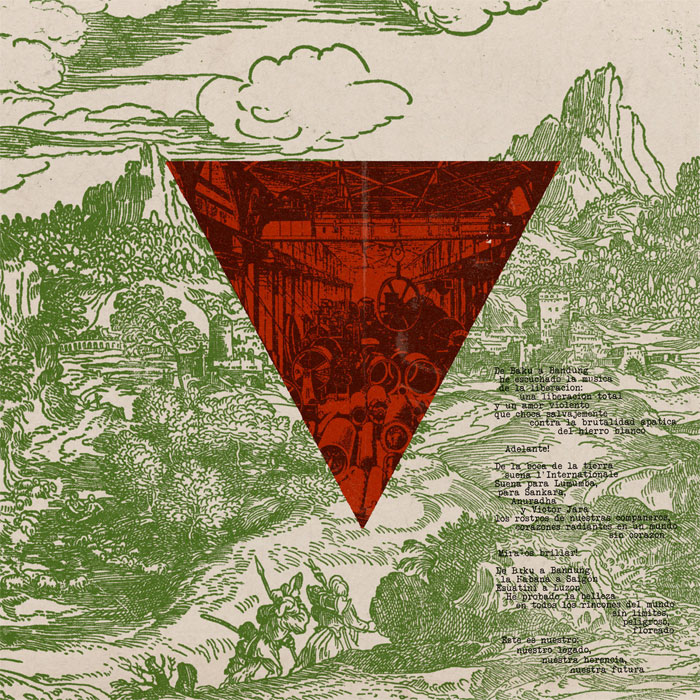
The Myrrors – Land Back
Land Back feels like a truly thunderous return for the band. The group’s previous albums wielded their politics in titles and turbulence, but the invective is upfront this time around, with their anti-colonialist anthem and title track feeling more necessary than ever as the world watches in real time the hunger of unchecked regimes. The band offers up a searing centerpiece, a rallying cry that’s full of not only the band’s usual dose of tension, but a lit match of anger that lobs itself at the speakers with a newfound fury. Capital doesn’t spare an inch in its grinding of our cultural grist, and The Myrrors have given shape to the barriers against the boot.
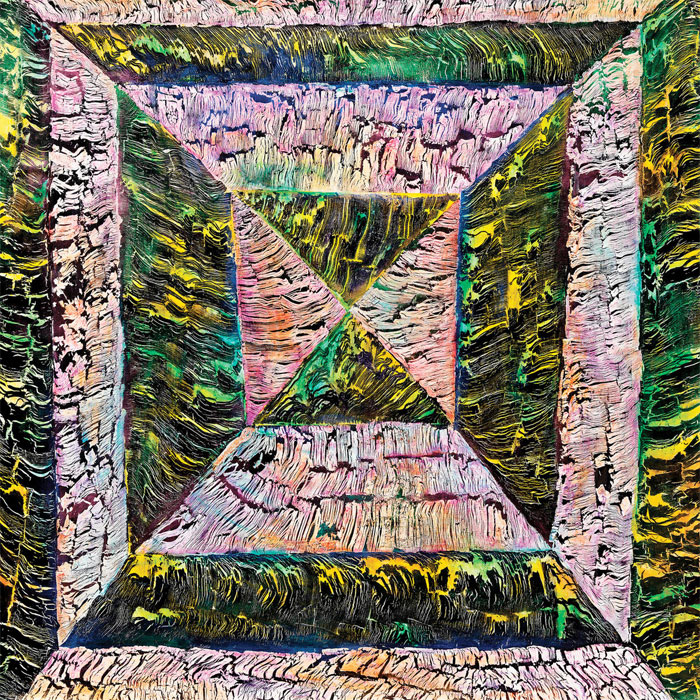
Natural Information Society & Bitchin Bajas – Totality
Totality finds both bands at their peak, exploring each half’s expertise and smelting their sounds into something singular. As they approach the altar once more for Totality, the bands don’t dilute their respective roles, but rather arrive at an alchemical formula that lays rhythm at the base of their brew. The hypnotic thrum of Abrams’ bass and guimbri urge the listener into caverns carved by Lisa Alvarado’s harmonium and Mikel Patrick Avery’s percussive patter. The caves glitter with light from Rob Frye’s flutes and Jason Stein’s bass clarinet. Totality taps into something otherworldly, the kind of cosmic call that draws visitors from across the reaches of space, a beacon in the darkness reverberating on irradiated waves.
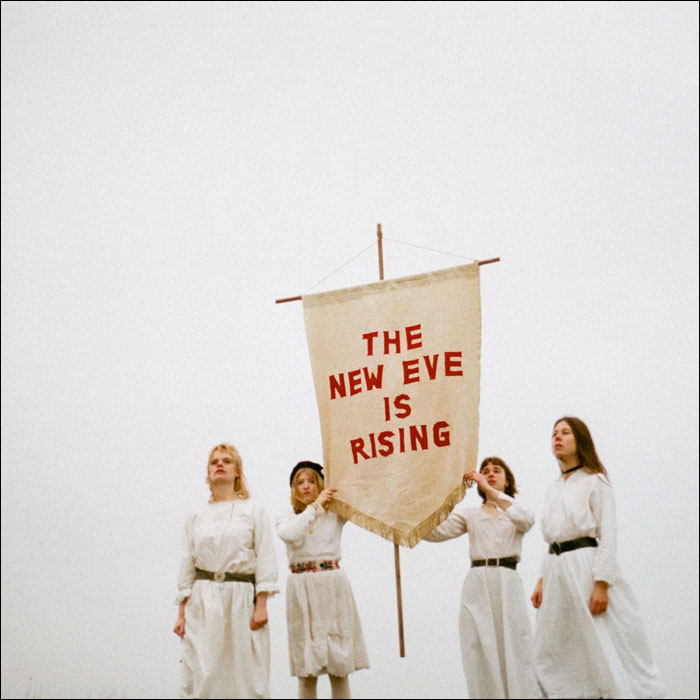
The New Eves – The New Eve Is Rising
A caustic vision that wraps its wrists in the urgency of Patti and Siouxsie, with a dose of John Cale for good measure. Sawing at the listener with tattered fiddle and gnarled guitar, the band slips between dirt floor folk and ‘70s art rock tensions. The Eves utilize a chorus of voices, but rather than lean into sonorous harmonies and soothing tones, they seek to scratch the psyche, to wake the listener from the daze that keeps them docile. The band’s voices jockey for dominance, never agreeing, never relenting to one another. They chant and gnash and fight against the rhythmic pulse that thrums from the very core of The New Eve is Rising. Sometimes the world delivers an open-handed slap to the senses and at the other end of that palm are The New Eves.
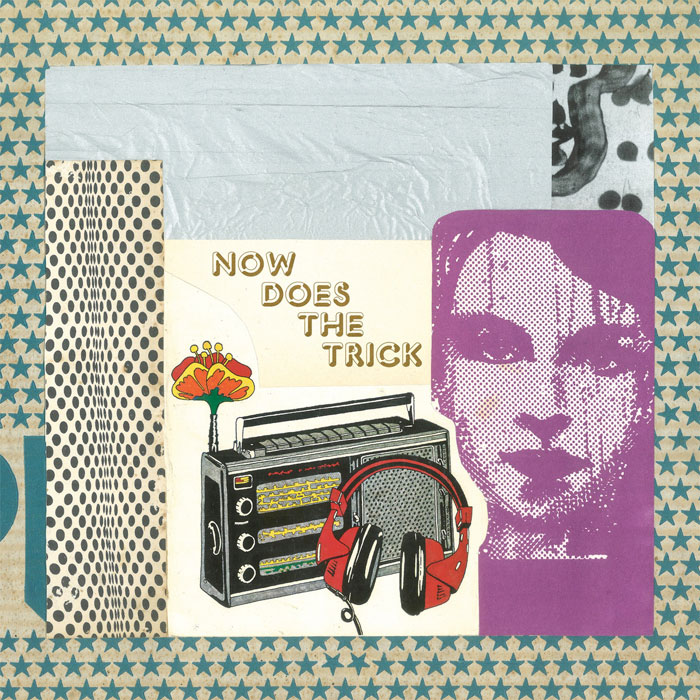
Now – Now Does The Trick
Featuring members from a cross-section of those favorites, NOW brings together members of Cindy and Thunder Boys for a record that feels akin to The Smashing Times in their ability to find the fusion between British eccentricities of the ‘70s and the wide-eyed wonder of the late ‘80s and early ‘90s. The album, like those charmers in The Times, holds a particular affinity for The Television Personalities, offering up sweetly stung pop melodies that don’t feel the need to sand down all the edges. The band ingests a potent cocktail of pop outside of their overt love of Dan Treacy. From the greasy visions of Robyn Hitchcock to the bumpy hooks of Barret and Ayers, and the incandescent buzz of Comet Gain. Touchstones are nothing without hooks, though, and the band knows how to weave the frayed ends of the past into the kind of earworms that stick with you.
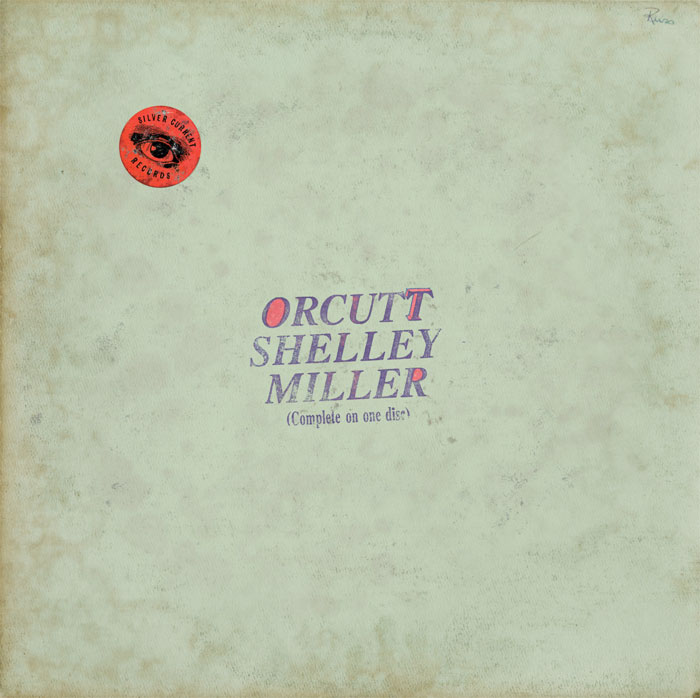
Orcutt Shelley Miller – Orcutt Shelley Miller
The band spent quite a few months lacquering the coasts last year and they caught their show at Zebulon on tape, surfacing now in Silver Current’s official bootleg capacity as the band’s debut proper. As might be expected of the three players, the set is heavy on the singe, hurtling the listing into the heart of the dying star right from the very first notes. The record’s no bar blues standard, scraping at the senses and leaving the listener with blisters on all sides from it’s UV glow. Orcutt’s tangled tin riffs turn the record into something spectacular, an arc-welded wonder that sparks and slices at unimaginable angles. It’s hard to walk away from the set without at least some form of dent or ding to the psyche, but the brain rankling is more than worth the price of admission.

Papir – IX
he record embraces the band’s unrestrained style, a record that thrives on dynamics, diving towards the most ebullient end of the post-rock spectrum as it simultaneously churns at jazz and jam. The band feels equally at home locking horns with Explosions In The Sky and Mogwai as they would with Garcia Peoples. The feeling can often span a single song on the record, starting “IX.II” with sky scraping riffs that crest before burrowing into breakdowns that feel like they could stretch for miles on stage. The wind caresses the first half of the record, pushing through the longform fusions of “II” and “III.” The jazz impulses seize around track IV, but it all feels like part of the same sea-swept dream. Not content to just become known for noodling, the band is just as handy with ambience as interplay, and the back half of the record proves that texture is a weapon the band doesn’t wield lightly. The record finds them embracing their prime era and promising more to come.

Pearl Charles – Desert Queen
Embracing the fluidity of the ‘70s, and a freedom from the constraints of genre, the latest album from Pearl Charles crystallizes the vision that she’s built over the past few records. Her first for her own imprint, Taurus Rising, the new record Desert Queen dips through country, pop, disco, and rock, tied together with silk scarves and a bolo-tie boogie that’s caught in the radio waves between Linda Rondstadt, Fleetwood Mac, Boney M, and Gene Clark. Holed up in their Joshua Tree studio, the pair enjoy the kind of freedom to wander that used to require the ability to bankroll a French mansion and team of managers to keep label creditors at arm’s length. Swerving from Swedish platform pulses to the cusp of the Canyon and the tarnished brass bluster of Muscle Shoals, Desert Queen is free range pop at its best, a sterling example of letting vision over committee take the wheel.
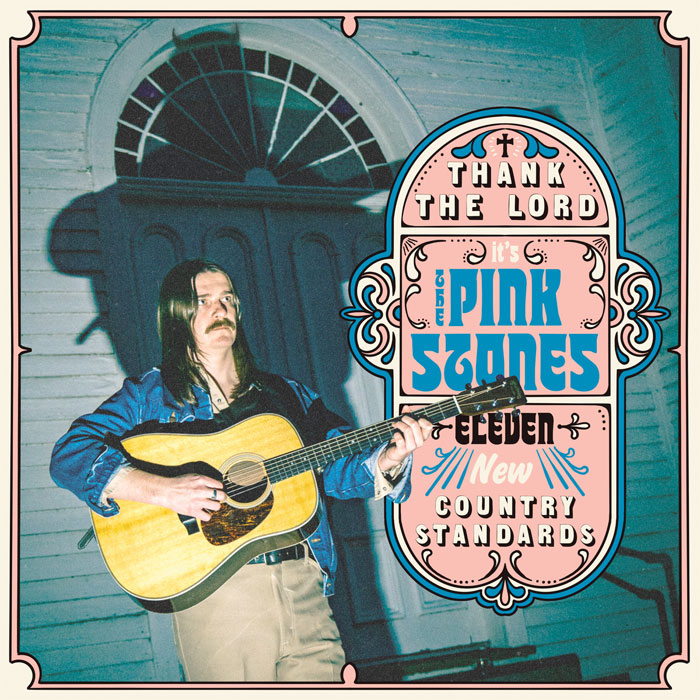
Pink Stones – Thank The Lord… It’s The Pink Stones
Thank The Lord… It’s The Pink Stones offers up eleven Thursday night dancin’, lone highway, porch and picnic favorites that feel like they may have been in your listening repertoire for years already.From the solemn sway of “Too Sad,” to the ode to cross country flight, “Real Sad Movies, Big Jet Planes,” the record knows just how to hit ramble in the pocket. Fiddles weep on “If I Can’t Win (With You) before twang takes the wheel, and the album is saturated in Neff’s sun-melted steel. Co-producerd by Henry Barbe (Drive-By Truckers, Deerhunter), the record takes a classic transistor-ready hum and scrubs it up for the fans of Merle and Earl, The Byrds at The Rodeo, and Gram when he was still sitting in the Submarine.
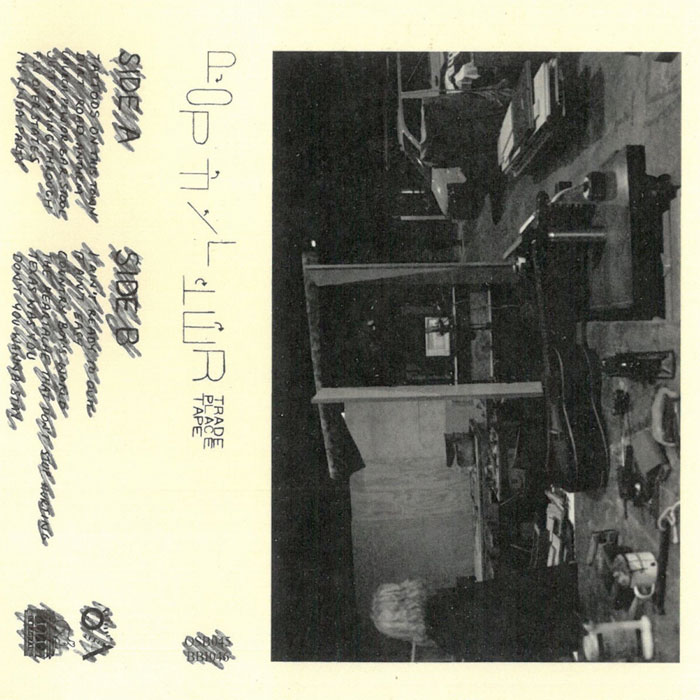
Pop Filter – Trade Place Tape
The record took shape over a longer period of time, coming to life over a full year between the boundaries of family and day-job duties. The relaxed atmosphere has the band feeling their freshest in years. It’s not as polished as the synth-pop paradise of Banksia, and nowhere near as buttoned down as last year’s Ray and Lorraine’s. It’s frayed, but not fractured. The record lets the band play through some of their irresistible impulses without worrying about sanding, and they come out all the better for it. They’re still showing the tan lines of their Aussie indie past, but through sawing violins, velvet dramatics, and a live to tape atmosphere, the band’s able to hit reset on the past couple of years.Tangled in a web like Wireheads covering Jabobites or New Bums doing their best back room Bunnymen just for kicks, the album leverages ease in ways that remind me of why the new Aussie indie wave has been so appealing. A curio on the surface, but a stunner at heart, Trade Place Tape winds up way more than just an excersise in acoustics.
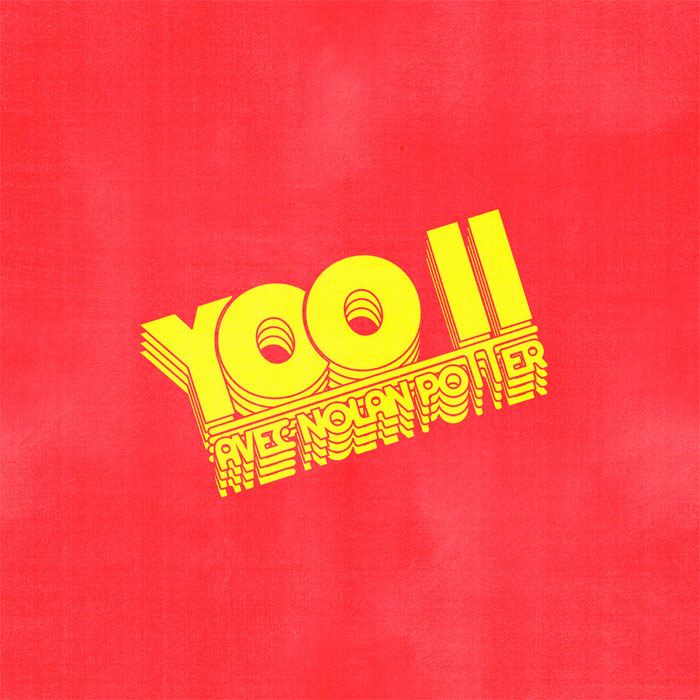
Population II, Yoo Doo Right, Nolan Potter – Yoo II avec Nolan Potter
A record born out of two-hour improvised session when all the bands were in Texas last March, the cut brings together RSTB faves Population II with fellow Montreal experimental psych heads Yoo Doo Right and Austin’s Nolan Potter. Steeped in foggy psychedelics, the record conjures up late night feelings, crawling through the mire of synth and snaking percussion to let Potter’s flute weave its seance spell. It’s more than just a one off whim, the players are all steeped in improvised scenes and they bring the full force of their talent on this team up. Population II cracked into 2025 with a record of their own, but with this they truly make the year their own.
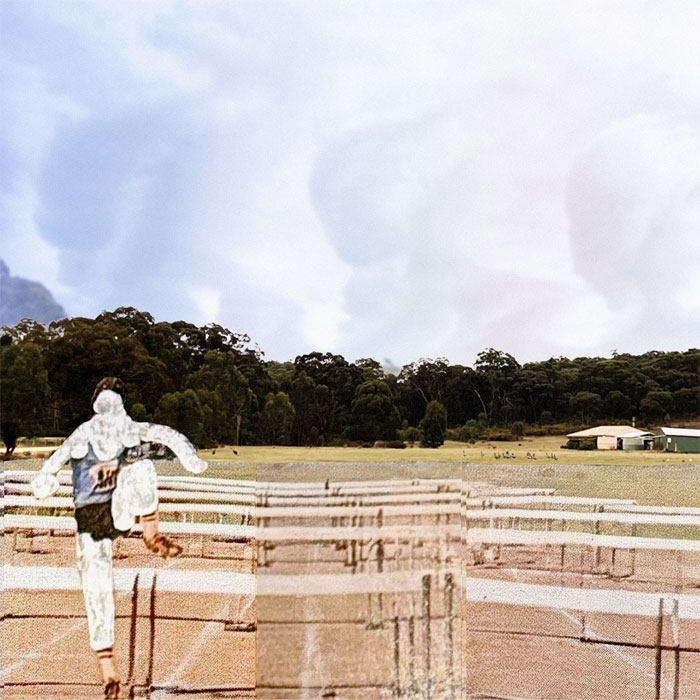
Possible Humans – Standing Around Alive
From the opening strains of Standing Around Alive, the band is still wound in the webs of Feelies and R.E.M., still slipping in the suds of The Clean and as the record opens back up towards more battered ends, still flirting with some of Dino Jr.’s cleaner moments and Volcano Suns’ dirtier ones. Like the debut, the record doesn’t seem satisfied with staying in one place, swerving through the ranks of the Homestead hit parade and the lesser loved ends of the IRS stable. The guitar is the grounding voice here, sinewy and strummed on opener “Slouching Hat,” gnarled and knotted by the time they shift towards “Dream of Time,” and torn at the seams as they tumble down towards “Claws In” and closer “Akimbo.” There have been quite a few top drawer indie sluggers in 2025, but it might be fair to say that not many have been as succinctly sure of themselves as Standing Around Alive.
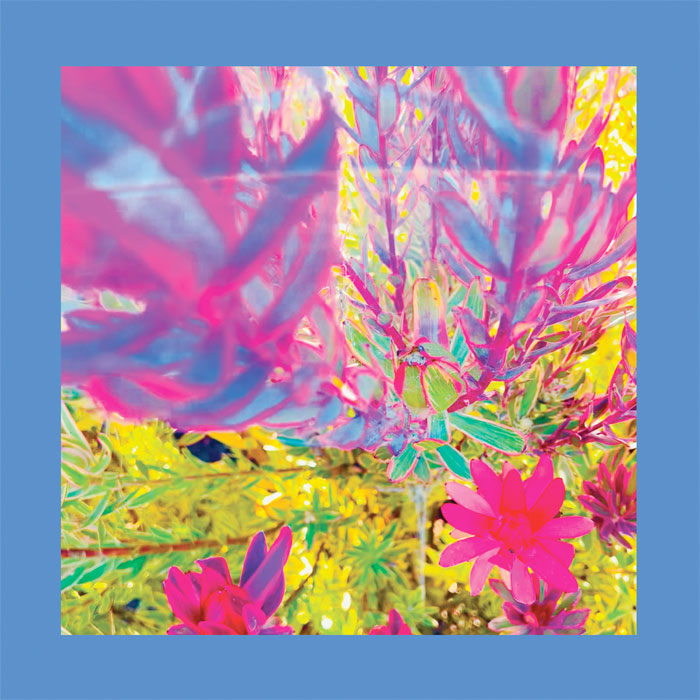
The Reds Pinks and Purples – The Past Is A Garden I Never Fed
Swept up in the jangles, anguished fuzz, and soft-focus foam that’s been a cornerstone of the RPP, the album showcases Glenn’s distillation of Television Personalities, Felt, and the more melancholy ends of the Dü. From the swooning strings on “Marty As A Youth,” to the perfectly disheveled ache of “Slow Torture of an Hourly Wage,” the collection brings together a vast array of highlights from across Glenn’s ourvre. This one’s perfect for walks with headphones and heartache. A soundtrack for the cemetery walkers, for the library lingerers, for the late morning risers. It’s another untouchable collection from The Reds, Pinks and Purples.
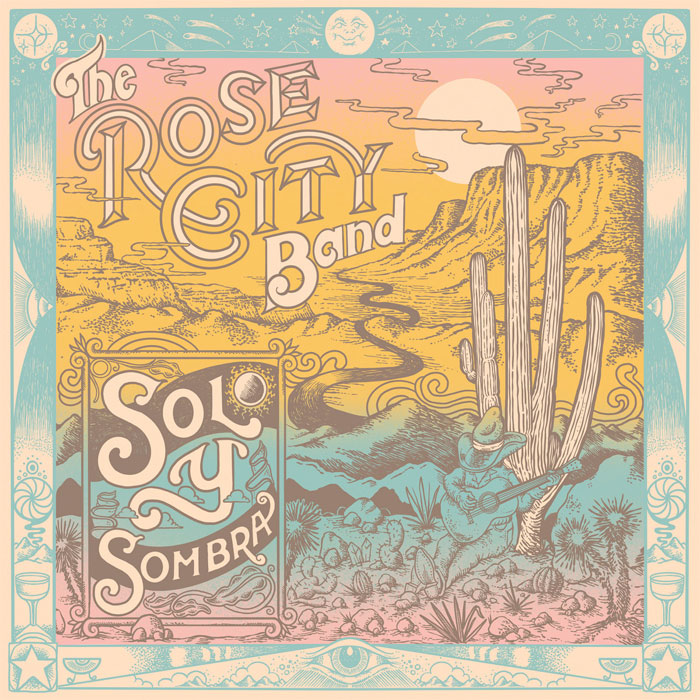
Rose City Band – Sol Y Sambra
The early records were more sparse, mirroring the private press feel of collector’s classics, but over the past few releases Ripley’s begun to find a fullness and warmth that hits like finally letting a sigh escape. Sol y Sombra makes good on its sun and shade aesthetic, basking the listener in its glow while sheltering them from the full swelter of life. The album appears like an oasis in the heat and humidity of the harshness all around us. The strums and organ runs seem to weave around the heat ripple haze of the open roads with uncanny ease. The band expertly folds into that haze, setting their sound to steam, stretching out and embracing a more languid form of the Cosmic sound. A patter of hand drums dips in and out of view. Memories of AM disco waft from hidden speakers, twisting with the sounds of country and cumbia from passing cars.
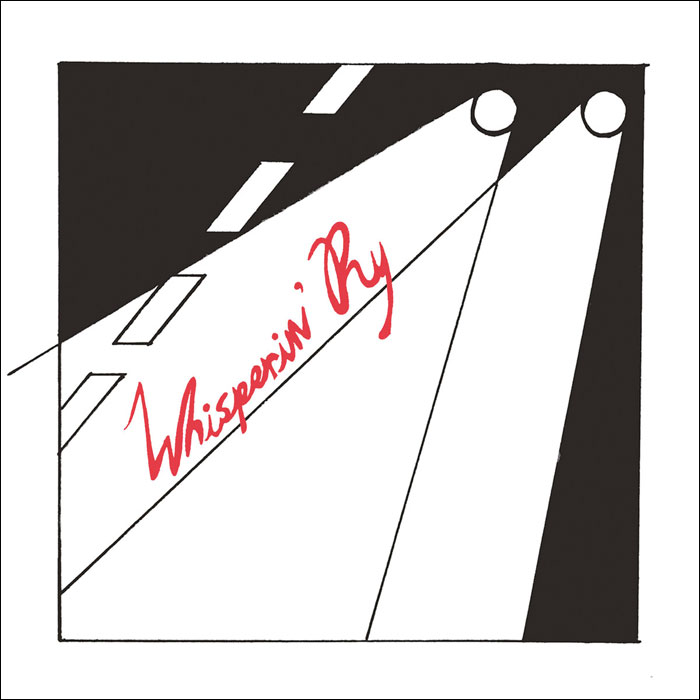
Ry Jennings – Whisperin’ Ry
While there was certainly a Byrds strain that crept into last year’s Downhome, the folk breeze blows even stronger on Whisperin’ Ry. The Rough Riders are no stranger to a classic twinge in their twang, but the songs here are indebted more to the ‘50s and ‘60s strummers rather than the studio-silvered visions from the ‘70s. Jennings is more than happy to play the lonesome troubadour, though, keeping the setup stripped for the most part and the tone vacillating somewhere between Hazelwood, Dillard & Clark, and a touch of Townes’ more upbeat moments. The record filters through the green light of the trees, a vernal gem that understands the value of levity. It’s readily apparant how much fun Jennings is having and that joy drives the album. It’s a perfect foil for the end of Summer’s sway, an a match for any of the Rough Riders’ regulars.
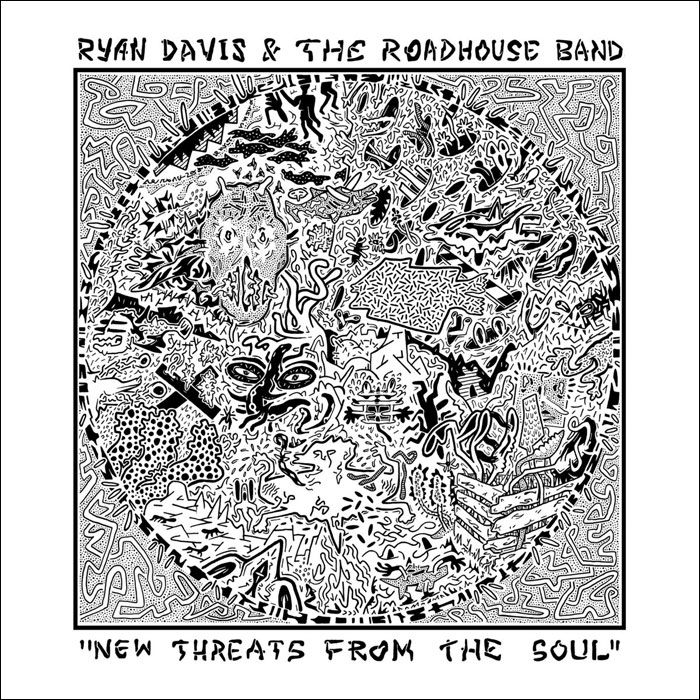
Ryan Davis & The Roadhouse Band – New Threats From The Soul
I’ll be far from the first person to person to praise Ryan Davis this year, but the songwriter and Sophomore Lounge labeled has been a favorite around here for years and it’s great to finally see him get his due. Ryan’s tales are carved from the skin of the soul, the kind of songs that burrow phrases into the brain. On New Threats From The Soul, Davis still works at the wreck of the soul with the tenacity of a ten year old pulling a tooth, but this time he expands his world far further than the typical country trappings can contain. Behind his lyrical paintings, Davis has upended the expectations of Americana, intercutting them with the ghosts of trance, the drama of drone, and an experimental edge that lets his elegies dissolve and dry out over run times that push towards the ten-minute mark. If Davis was the poet laureate of late night express lane before now, this is proof that he’s one of the best we’ve got goin’.
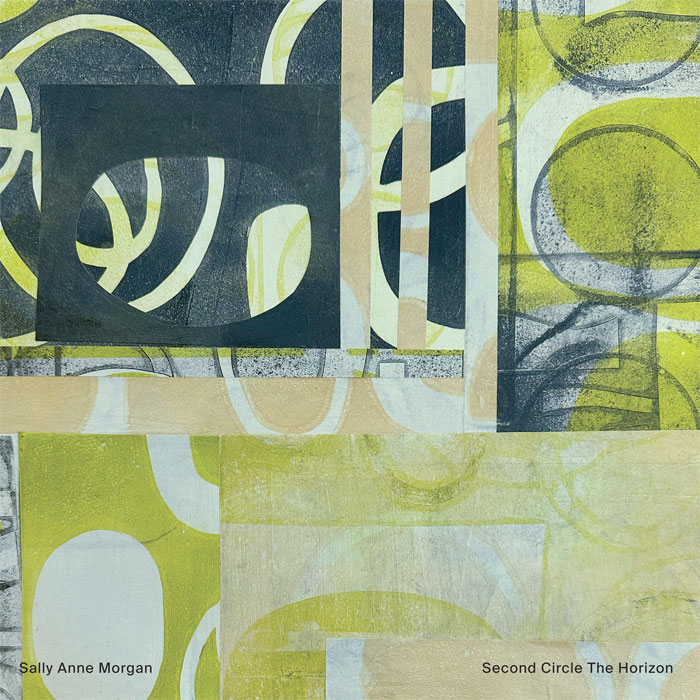
Sally Anne Morgan – Second Circle The Horizon
Second Circle The Horizon deepens the natural connection that was fostered on Morgan’s last album, Carrying, bridging Appalachian folk with the edges of the psych-folk fray, swirling around the listener like secular hymns. The sounds of Morgan’s garden seep in like the shadows of Jewelled Antler. The fiddles gain friction and the lines between modal and magical begin to blur. The circular motions of her pieces entrance the listener, drawing them deep into the green hues and verdant scents of the environment that wrought their weight. It’s nearly impossible to hear Second Circle and not feel, smell, or hear, some remnant of the Earth that once reverberated in the same spaces she uncovers. Morgan coaxes something out of the soil. She sets time to the buzz of crickets and spring peepers. She extracts a potency from the air around her and imbues it into the saw and hum of her strings.
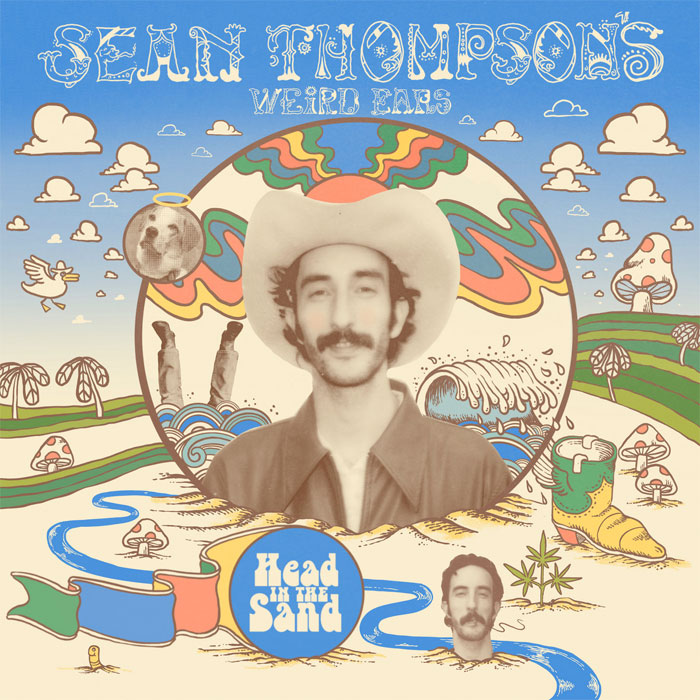
Sean Thompson’s Weird Ears – Head In The Sand
Sean’s been on the radar around here since well before his debut, one of the true heads in the Cosmic Country scene and Nashville’s own secret weapon in the studio. Striking out on his own, with a new label dubbed Ears Across America, the new album picks up the country psych reins once again, burning some kaleidoscopic saunter into the synapses. Though, Sean’s no slouch in the traditional trades either, and both get a display on Head In The Sand. Tour tough and storm seasoned, the new album balances rambling jukebox rockers with a heady dose of organ-doused DMT mind flayers. The debut was a shot over the bow, but the sophomore album proves that Sean’s comfortable at the helm and climbing higher on the marquee every day.
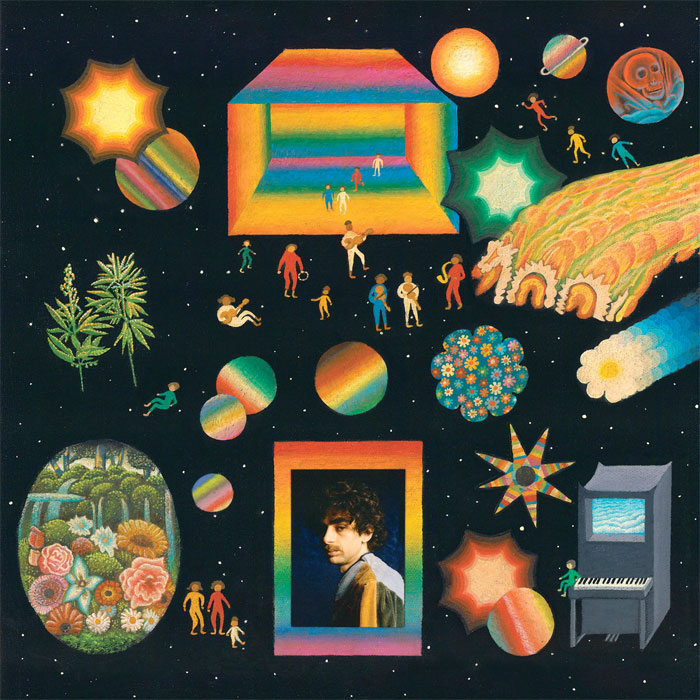
Sessa – Pequena Vertigem de Amor
While Sessa’s previous albums haven’t been exactly sparse, they feel slightly austere compared to the pulse and panorama of Pequena Vertigem de Amor. Incorporating a touch of ‘70s funk, a good dose of cinematic scope, and his usual flair with velveteen vocal work, the new album invites the listener into an entrancing world. Scented with smoke and sea air, the new record feels at home in the plush environs of the past. Swooning strings wrap themselves around several tracks here, practically begging for the listener to cue the record up on a reel to reel hi-fi built into the wall. Amid the string swells, there’s a greater focus on piano this time around, and a propulsive patter of percussion that adds to the album’s lilting funk. It’s often been easy to melt into Sessa’s works, but this bursts from the background and dances around the room, a partner in joy, a companion in solitude.
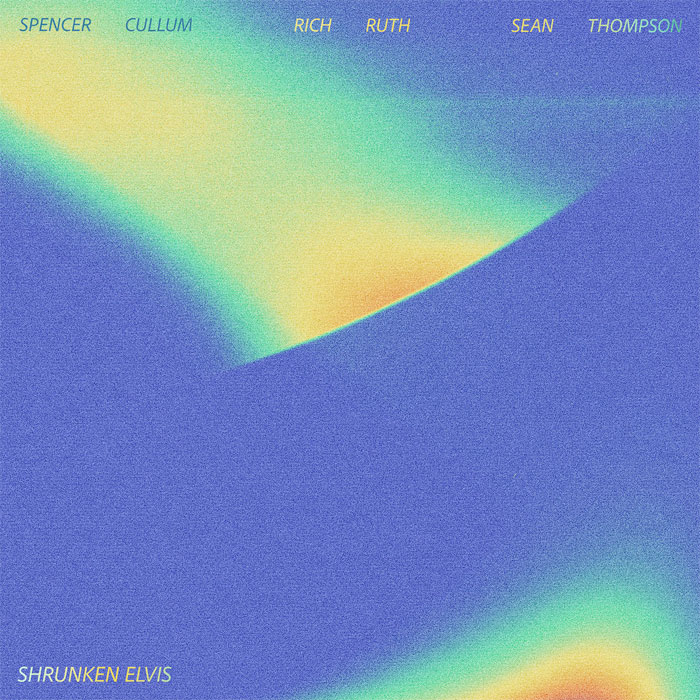
Shrunken Elvis – Shrunken Elvis
Finding the leylines between Sean Thompson’s county ramble, Spencer Cullum’s folk intimacy and the more experimental ends of Rich Ruth’s exploratory jazz, Shrunken Elvis is a dream swept up in cosmic tones and German progressive patter. The trio shies away from the lyrical in favor of an instrumental sweep that’s bucolic and bubbling. From the outset they lock into the loosest ends of ambient country, letting Cullum’s slide grease the speakers with it’s spectral tones. The band’s ability to melt ‘80s ECM into the spiritual sides of jazz with a Krautrock hangover is sure to a have an instant appeal to readers around here. The iciness of Ashra’s Correlations comes instantly to mind, but the band bobs and weaves through Göttsching’s wonders with nods to Trips und Traume along the way. They dip into Alice’s ashram but never stay, feeling the urges pull them towards the eclectic journey of KLF’s Chill Out just as often.

Silver Synthetic – Rosalie
Looser and more limber, the new record strips away even more of the band’s garage roots, skidding solidly through the Cosmic American sun. The group aren’t alone on Rosalie either, bringing in a few friends to the mix, with Nashville luminary Luke Schneider’s pedal steel lighting up a a trio of tracks, and hometown studio head Rex Gregory helping the band fully cross the jazz line on “Cool Blue Night,” with touches of sax and flute. Their sound is imbued with a sense of ease and openness that seeps through the speakers and into the sinews. The band doesn’t let go of that feeling one bit on Rosalie and it looks to join its predecessor as a perennial favorite.
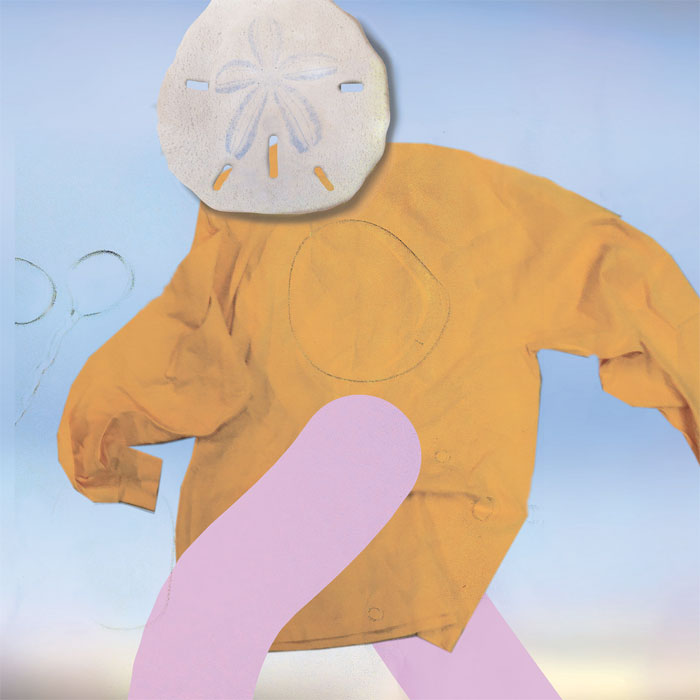
SML – How You Been
The longer SML exists, the further they get from identifiable forms. The band was launched out of the Enfield Tennis Academy’s roundtable of improvisers, scratching out discordant jazz that often times hinted at a less terrestrial existence. With the advent of How You Been, the band severs the anchor chain, levitating above the vortex of jazz, electronic, psychedelic, No Wave, and German Progressive that they’ve been surfing over the past few years. The band is now fully entrenched in the cosmic core, slicing into something that’s in thrum with the offbeat blink of quasars, the rapid fire of neurons, the disjointed dance of circuitry. Film composers spend years trying to envision what ‘future music’ might entail, but SML have tripped through the seer’s sphere to drag the details back home and hammered them into the wax.
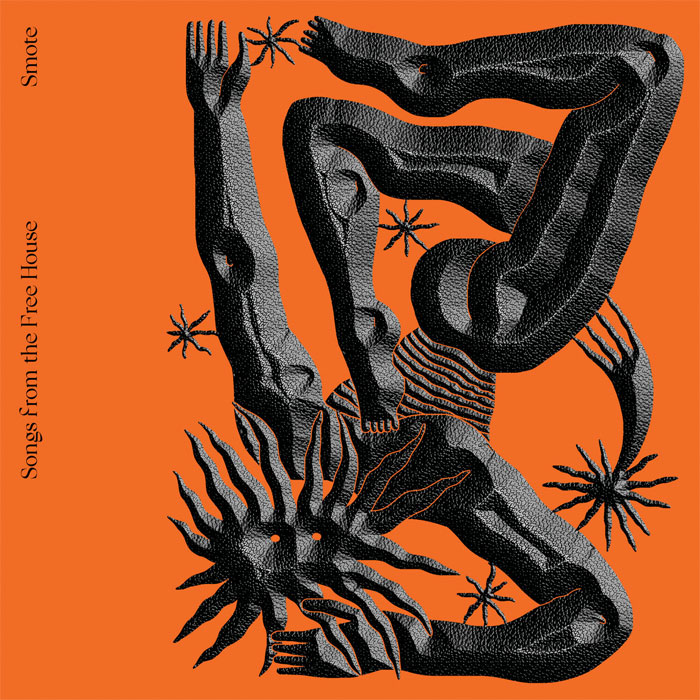
Smote – Songs From The Free House
Songs From The Free House continues Daniel Foggin’s commune with nature, five more deep dirges that rumble under the bedrock and burrow deep into the rivulets and roots of English apocalyptic folk. The new record finds Foggin free from the home studio, instead forging a larger scale version of his scarred vision at Blank Studios with Sam Grant (Pigs Pigs Pigs Pigs Pigs Pigs Pigs), featuring a few contributions from his live band and Lankum’s Ian Lynch. Even with some assistance, though, this is still a monastic enterprise, sequestered ruminations and incantations that are filed with firelight and distant thunder.Folk is perhaps a complicated signifier here. Often clouded in the calamitous smoke of ruins and runes, the record wields the ritualistic pound of drums and the scented curl of flutes, setting them among a nest of drones and howling guitar. Where some might see psych and metal, Smote still finds the thread of folk; the lowland connection to the Earth, the twilight offering to the skies.
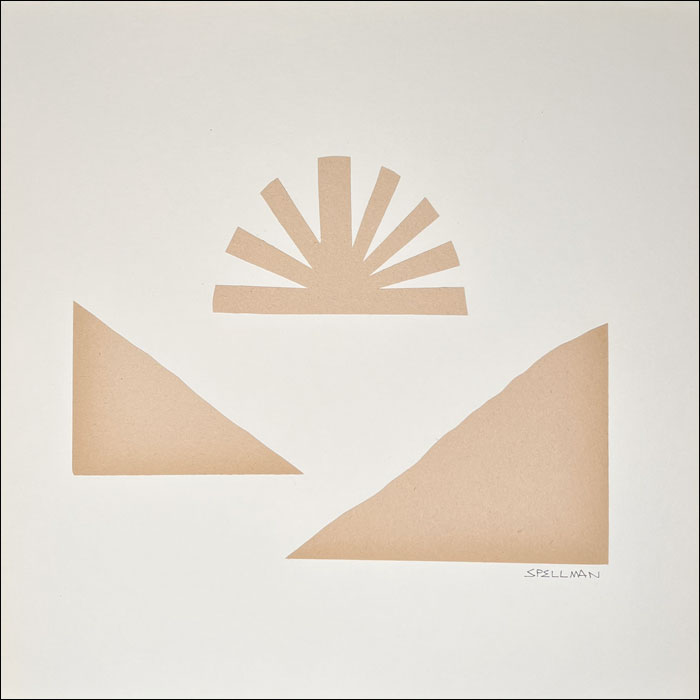
Spellman – Herbwise
A little buried treasure from the good folks over at Aural Canyon. The label has offered up the latest from Sean W. Spellman, who operates just under the last name as a moniker. Woven from folk and jazz elements, the latest release also lets Native American flute into the mix, adding the instrument’s somber call to the sunset melt of Spellman’s works. On some pieces the flute is up front and center but on “Harvest Day,” it brings its chill in more subtle shades, sparring with the lounged jazz of Sean’s guitar in surprising ways. A psych-folk slow burn that opens up further with each spin through the speakers.
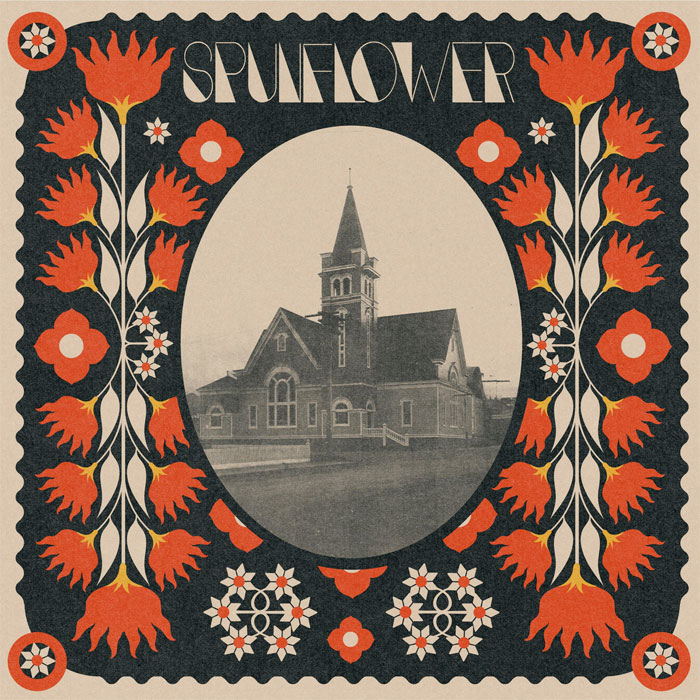
Spunflower – Spunflower
Seeking to tap into the deep cosmic vein that had haunted the Wümme studio-era of Faust or the Open Studio session of Turkish band Haza Vuzu, the band let the hands of fate drive their communal connection, emerging with a bedrock of synth and percussion. The band didn’t leave their beast to rest at that point, though. Further overdubs add Russ Thallheimer’s horns and Michael Dieter’s bass, transforming the final form into something stranger and more pungent. The record is ripped on nocturnal energy. Edgy and hackled, the album stares over its shoulders with apprehension, forming attackers and antagonists out of every darkened corner.

Stereolab – Instant Holograms On Metal Film
I love that the predominant theme for the new Stereolab record is that it sounds like no one other than Stereolab. The band’s psychedelic burble belongs to them and them only, no matter how many imitators and acolytes have tried to tie up the sound. There’s only one Lab and having them return after fifteen years feels like a beautiful blessing. The record is hazy, lost in their rhythmic psychedelia and splashed with a UV paint that illuminates when keys crest in a chemical reaction that fizzes over the edges of the speakers. Evolution is overrated when you’ve already perfected a corner of pop so succinctly that you practically become a genre. The new album is one more classic in the band’s pristine catalog.
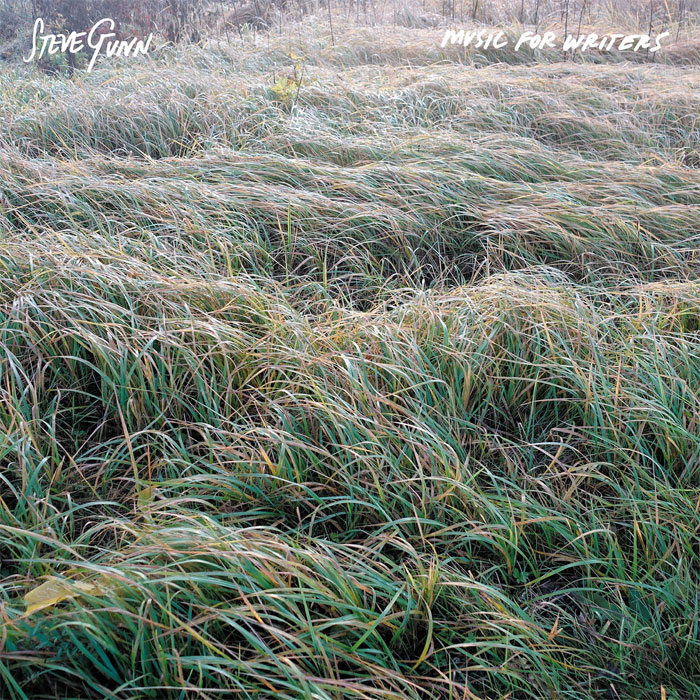
Steve Gunn – Music For Writers
Gunn’s been a fixture here for the entire stretch of RSTB; from the psych-scorch of GHQ, the Cale-melted twang of Golden Gunn, his work with Black Twig Pickers, and his jazz-bent sojourns with Beings. Those all found him in great company, sometimes instrumental, but never solo. When he’s been on his own, it’s been through the indelible singer-songwriter records that worked their way from Digitalis to Paradise of Bachelors to Matador, offering up a singular voice that matched his stringwork to his storytelling. Here, on Music For Writers, he brings together quite a few corners of his catalog, a working travelogue that reflects the heart’s longing and lingering shades all through the tumble and twist of his synth and strings. There’s a lonesome, languorous air to Music For Writers. Gunn’s never been a particularly rushed songwriter, but rarely has his work felt as meticulously patient as it does here.
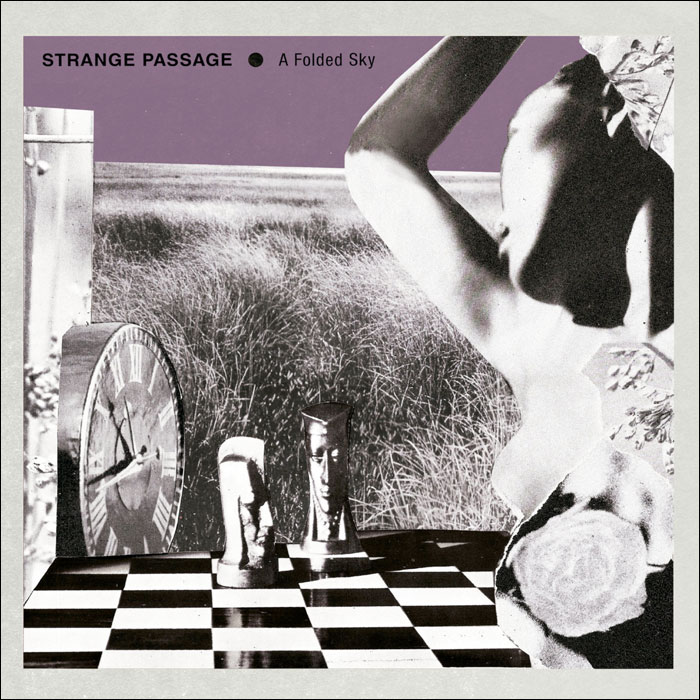
Strange Passage – A Folded Sky
Another braid in the Massachusetts indie belt draws tight with the new record from Strange Passage. The band adds some darker shading to the Meritorio stable, still committed to the label’s litany of UK jangles, but slipping towards the academic underbelly of the late ‘80s. The band lays into the library lurking of The Feelies, The Church, and McCarthy, with a flair for the darkly dramatic that can’t help but step through the shadows of Felt. A Folded Sky is short, but unfurls its vitality in short order over six tracks. Coiffed and collared, the songs are propelled with an urgency that thrums through the rhythm section. The jangle connotation is used a bit more loosely here. The strum is strong with the band, but Strange Passage turn towards something more complex, a touch of Athens’ collegiate crop in their lineage as well. The album weaves guitars into something less straightforward than some of their labelmates, but certainly something no less potent.
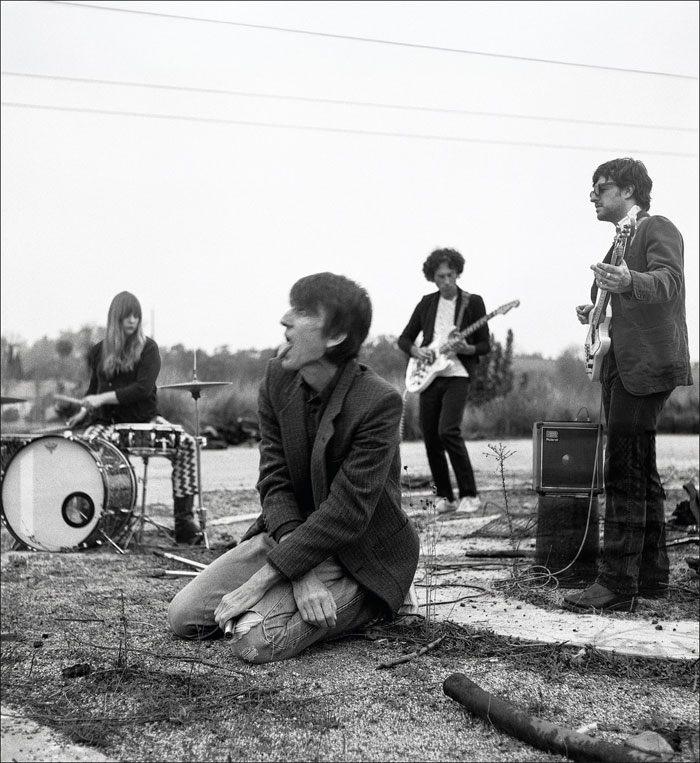
Street Fruit – Strange Tanks
Stret Fruit hearkens back to a time when glossy mags were breathlessly lapping at one another to be the first declare a return to rock, wiping the stain of TRL tough boys from the airwaves. There’s a much deeper well being tapped by Street Fruit than a scan of millennium-era cover stories suggests, though. The band opens up with the slinking, sweaty “Drug Face,” a cut caught in the steam emanating from the pores under the clammy cold of street lights. It’s the kind of song that might have sparred with The Warlocks for a spot in the lineup for a Shout! night. From the dizzying high of the opener, the band tumbles through several other shades and shadows cast by regulars of the legendary NYC nightlife and DJ scene; toughening up their take for “Back of the Line,” a cut that’s lets the blood soak into the leather and set. They corral the sinewy singe of Jonathan Fire*Eater, the patient ambiance of The Secret Machines, and the hungry stare of B.M.R.C.’s “Screaming Gun”-era. The humid heaters set the tone, but the band have a more slippery sound than the singles let on.
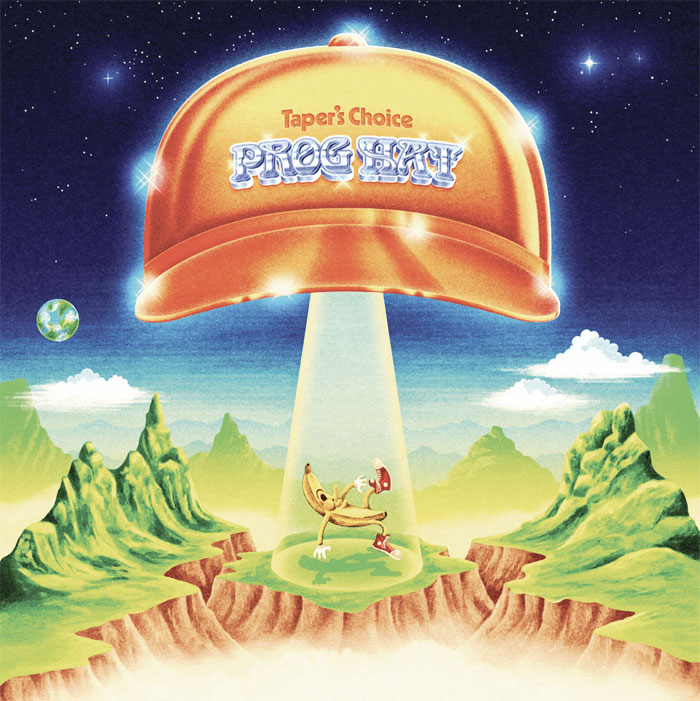
Taper’s Choice – Prog Hat
TC is back on record. While the live sphere will always be the purest form of the Choice, it’s always nice to see an official document of the goods. The seasoned group of musicians (featuring members of Real Estate, Vampire Weekend, DARKSIDE, and Arc Iris) are able to translate the jam from the stage to the studio, a trick that can prove dicey for some, but that TC pull off with panache. Prog Hat brings two certified fan favorites to the spools, giving an official release to set staples “Doner Wrap” and “The Dave Test.” The band opens up the the record with “Pino Botticelli,” rippling through the speakers on knotted guitar strands and enough of Harrington’s organ to make the record title more than just a solid pun. It seems on record the audience always passes “The Dave Test” (it’s denoted as a resounding ‘yes’) and the jam-gelled staple proves just why the song is often a centerpiece at shows. The record bridges their past and future with admirable ease.
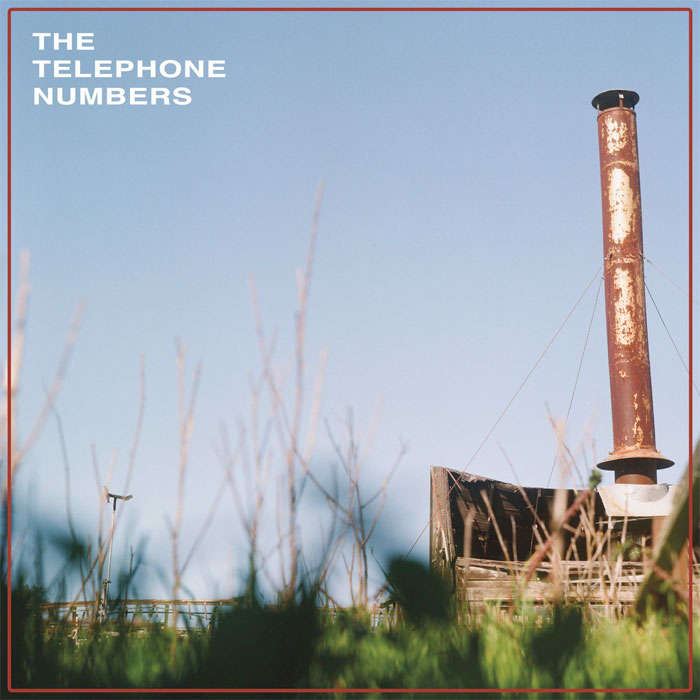
The Telephone Numbers – Scarecrow II
The Telephone Number’s 2021 album was a jangled gem that found the SF band rifling through ‘80s and ‘90s college rock record bins, tape club catalogs, and UK Flexi curios. It was a love letter soaked in the scents of the past, but the band manages to best themselves at their own game on Scarecrow II. They don’t ditch the jangled path for the follow-up, but rather burrow deeper into the aesthetics that endeared them to a league of listeners over the last few years. Like their forever foils The Red, Pinks, and Purples, the record is shrouded in a shadow of late stage capitalism, the kind that can’t help but creep in around the side streets of tech-tumbled San Francisco. The sighs of “This Job Is Killing Me,” the laments of “Pulling Punchlines,” both feel the boot of the day job on their neck. Yet, at its heart, the record is more about the struggle with self than the fight against external forces. Throughout the album’s inner turmoil, the newly added embellishments pull Scarecrow II towards its place as one of the most sparkling of their West Coast contemporaries.
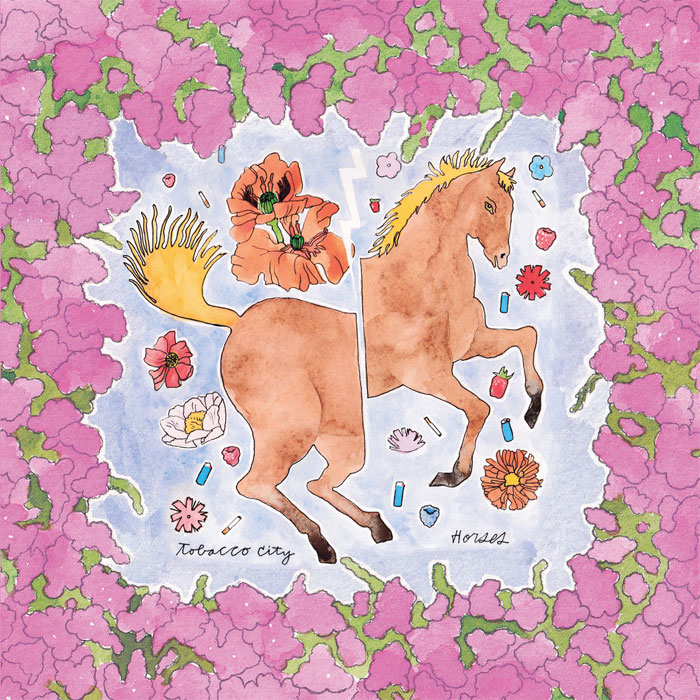
Tobacco City – Horses
Two albums in, Tobacco City continues to be a conduit piped directly into the empty lots, darkened bars, and Formica dreams of the American Midwest. Scratched and patched by pay day sorrows, but mixed with a nostalgia for a more carefree youth, the new album is filled with deeply sighed odes to times when responsibilities were scarce, the days stretched long, and the nights seemed endless. The band ably captures the years when you’re expected to quit waking up on couches and porch swings, reluctantly creeping into responsibility with eyes still locked on the years close to the rear view. Quite a few of their contemporaries have gone cosmic, but Tobacco City remain grounded, finding themselves tied up with Grievous Angels rather than the heat flicker quiver of The Burritos and points further West.
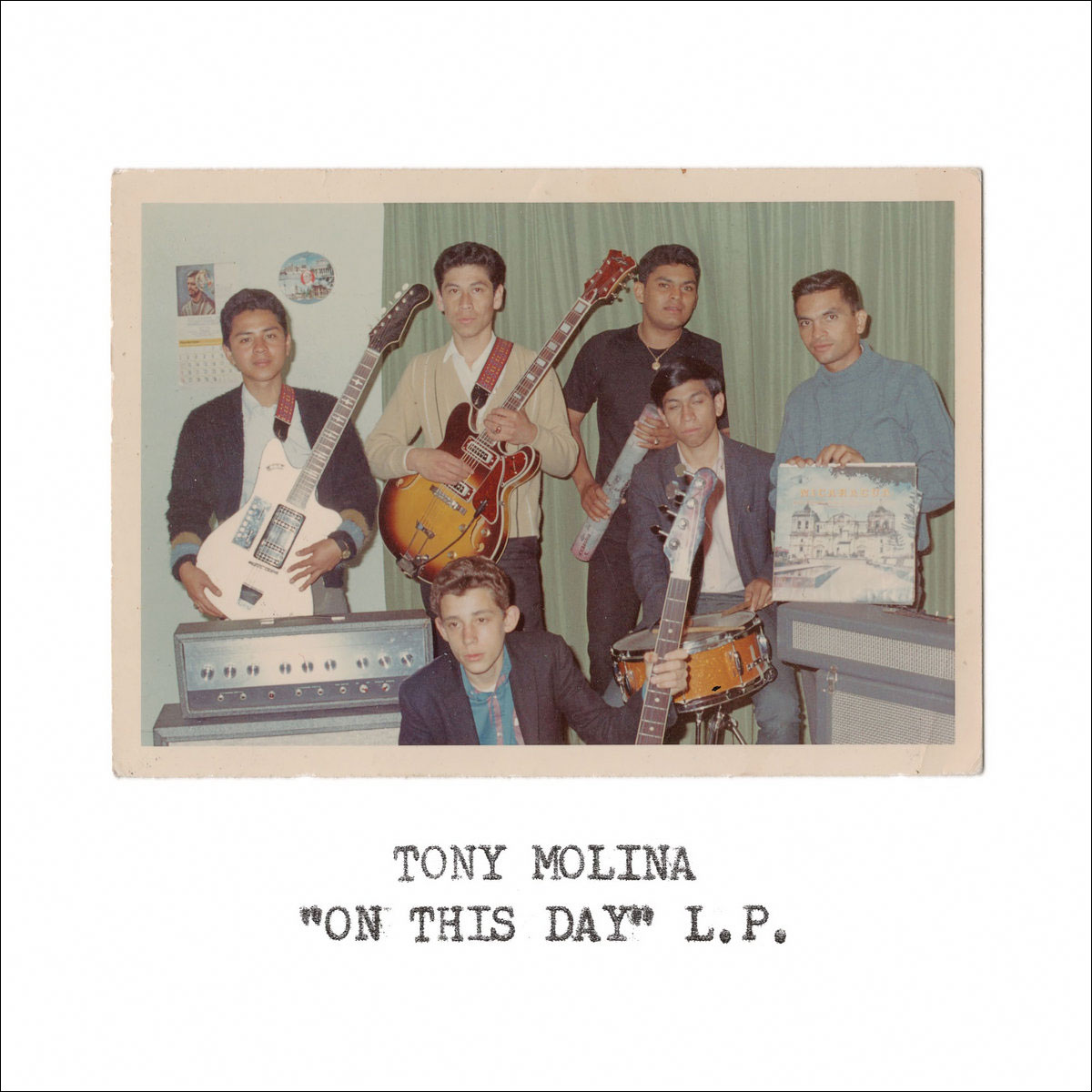
Tony Molina – On This Day
If there’s been one constant over the last decade, it’s been Tony Molina’s ability to lodge a hook in your head and dip away with a half-hatched smile. The record was recorded by Tony and Alicia Vanden Heuvel (The Aislers Set) to 8 track ½” analog tape in their San Francisco home studio. Despite the homegrown roots, the record just might be his biggest sounding yet, draped in pop embellishments, and swerving through the signposts of the sixties like faded memories. The record trades in figments of the past, a patchwork feeling of familiarity that dances gently on the tip of the tongue. Molina and Vanden Heuvel have perfected the slightly-delic stream of conscious approach here. There are no gaps in On This Day’s vision. It blurs between the breaths of a dream, jangling softly through baroques one minute, folk softness the next.
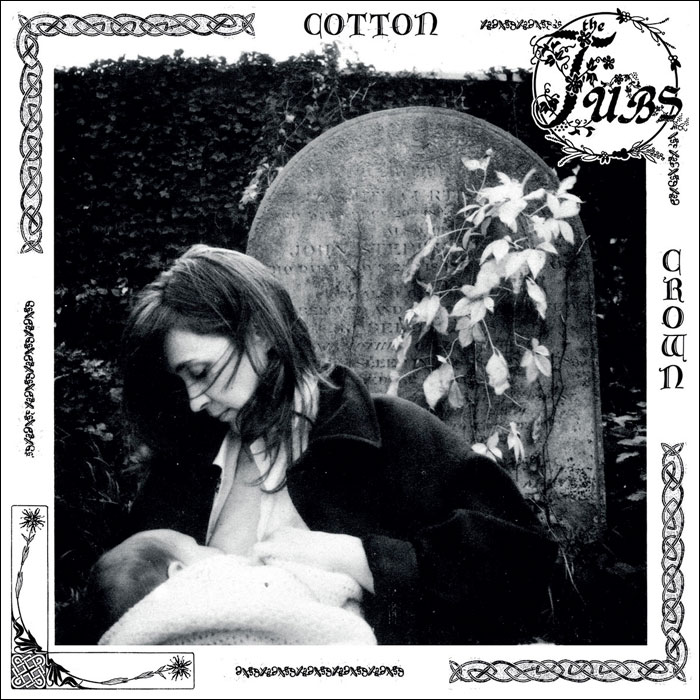
The Tubs – Cotton Crown
On the band’s second outing, UK jangler’s The Tubs tap into a confrontational energy that drives them to new heights. Rooted in the lesser plumbed wells of jangle pop – from The Housemartins to The Sundays — the band combines their pop acumen with a lash of the acid tongue. Not that the first album let the listener off lightly, but here Owen O. Williams finds a way to make the usual melancholy sighs of the genre move aside for menace, self-sabotage, obsession, and the awkwardness of social interaction. Some bands need to worry about where their second album will leave fans of the first, but on Cotton Crown, The Tubs spend little time hemming and hawing about fan service and instead proceed to best themselves on their own terms.
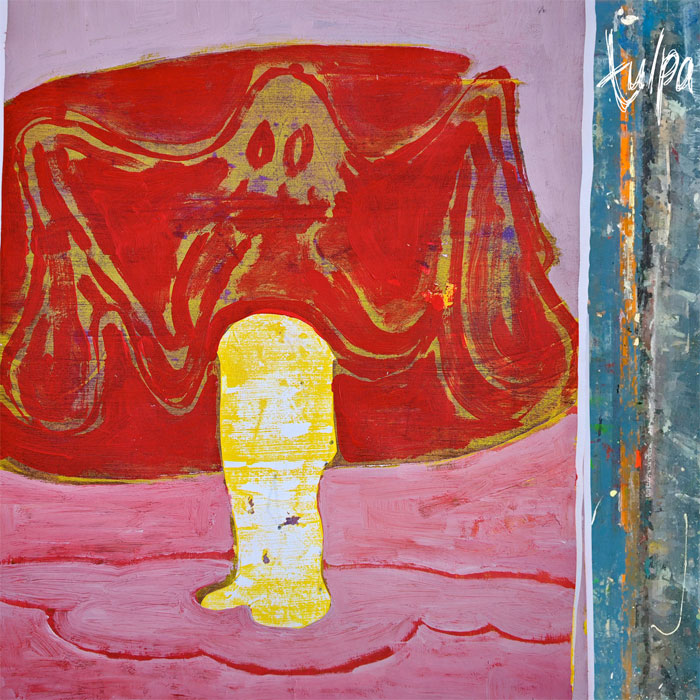
Tulpa – Monster of the Week
Tulpa sinks their teeth into the underbelly of the ‘90s on a forcible fuzz riot. So many of their peers have edged into the jangles and clean lines of the C86 lineage, but despite their UK address, Tulpa seem more at home with the bi-coastal barrage of US ‘90s classics from Veruca Salt, Letters To Cleo, and Throwing Muses. Closer to home, the band often thickens up the sounds of Talulah Gosh, fielding an imaginary history where the band picked up and moved to the Pacific Northwest. Centered around standout single, and reigning theme song “Let’s Make A Tulpa!,” the band is at their best when there’s a bit of bite in their hooks. When the fuzz gnaws at the edges, the songs break free of jangles with an acid washed itchiness.
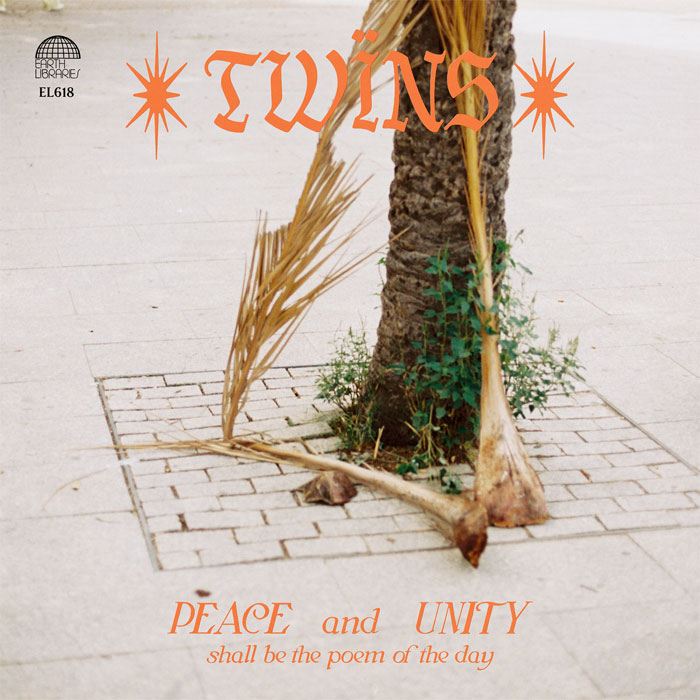
TWÏNS – Healing Dreams
Like it’s predecessor, the new record works as a sort of tapestry, but it’s no patchwork affair. Denck’s prowess works in laying the record out like an ornate journey — an argument in favor of the importance of sequencing in the face of an audience that leans too hard into singles. On Healing Dreams, the band slips from one song to the next; the smoke from “Love, Third Variation,” barely settling before the buffer of “I Dream of Sleep” leads into the pining second single, “Tango Mango.” The songs pour down like champagne fountains, drizzling the speakers with strings, sax, and percussive patter. Organs creep through the songs and more often than not a light breeze of flute can be found trailing fragrance on the air. Healing Dreams works as a somnambulant radio station; a blinking beacon that leads the listener through hypnagogic hues wrapped in earthen aromas. The Human Jazz stepped off the ledge, but Healing Dreams pretty neatly catches the winds to soar.
Ty Segall – Posession
Channeling his inner Glynn Johns behind the boards, and soaking in the diamonds and dirt of American lore, Ty Segall points his compass back towards bigger sounds on Possession. The glint of glam returns as well, putting the crunch into the guitars and swinging pop around from the hips. Segall records always reverberate when they have a little bit of vamp, a wry smilie on their lips, and a few hooks that can leech the paint off of the parlor. The record’s an American quilt of storyteller songs, fleshed out with lyrical help from filmmaker Matt Yoka, who helps turn Ty’s pop turbulence into tapestries that feed on the theme of possession, whether it be the grip of mania or the cauldron of Capitalism. The record ropes in Witch Trials and wonders, myths and the mundane, large vistas and small dreams then sifts them through the shiny pop sieves of The Kinks, Love, Billy Nicholls, and Brian Wilson.
Water Damage – Instruments
The band, monolithic as ever, turns dirge into destruction. They foster the slow erosion of ego as they whittle away resolve and resistance to the ebb and flow of their drone. Water Damage is a tectonic force, something born of nature, and by turns just as unstoppable. Working as a symbolic organism the band’s ten members turn rhythm and thrum into a hypnotic wave, impossible to ignore, impossible to repel. The only true way to really experience Water Damage is to lay back into the fray, let it wash over you and surf the surge, trying to hold on as best you can to the walls of the psyche.
Wednesday Knudsen – Atrium
There’s something delightfully tectonic about Wednesday Knudsen’s new solo LP. The album moves slowly, delicately; a graceful arc across the sky mirroring the almost imperceptible shudder of the Earth towards it’s new puzzle positions. Atrium deepens the gravity that pulled at the edges of Soft Focus, rooting the listener to the spot, creating a space to exist without the itch of our era insisting itself, at least for an hour or so. It’s a mirror of it’s makings, a part of the woods that wrought it. Knudsen has imbued the record with the soft tick of time as it exists in the Northeast mountains. Her playing, so often complimentary to her many collaborators, can often seek to tear at the seams, but here the goal is not to bend or break, but to mend.
Western Extra – Zig Zags on the Book of Changes
Bringing together longtime RSTB favorites Donovan Quinn (Skygreen Leopards, New Bums) and Chris Rose (Vampire Hands, Web of Sunsets), the band finds its niche in the pop discomfort between psych, New Wave, and folk. The band admittedly tosses Royal Trux and the societal malaise of The Kinks into the same bag, but the band scoops a few tricks out The Soft Boys bucket as well, with just a slight whiff of the Jacobites vapors that trailed Donovan in New Bums. Influences and anchor points aside, the album is another killer from Quinn, who’s long been a constant favorite around here, and a nice dip into the damage from Rose for the unfamiliar. A record of awakening, speckled with characters ripped on reluctance, the record shifts in kaleidoscope shades; damaged and dirty one minute, delicate and demure the next.
William Tyler – Time Indefinite
Unlike the bulk of Tyler’s back catalog, the breezes on Time Indefinite aren’t always so hung with honeysuckle. The record opens with an uncharacteristic scrape of noise, pulling up the floorboards of his foundations and settling the listener in to be unsettled. The album is imbued with the notion of memory; its permanence and impermanence, the coloration that occurs on the continuum of what we let ourselves remember and what the mind buries and distorts. Like The Caretaker before him, Tyler plays with corrosion and its subtle hunger. Sometimes the past comes flooding in golden waves, but many times it’s hung just out of sight, always in danger of the moths of memory working a few holes into its fabric.
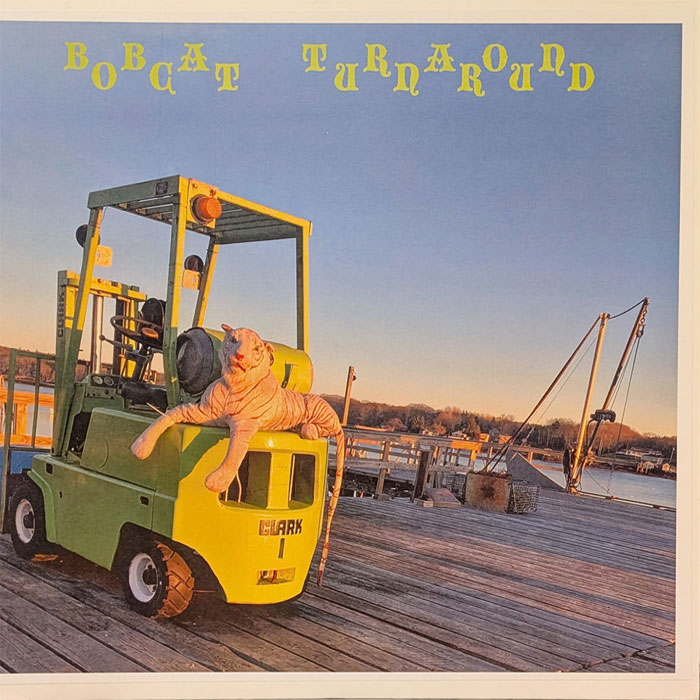
Willie Lane – Bobcat Turnaround
His trio of instrumental LPs stretching from ’09 to 2016 have long been essentials of the East Coast aura, but with his latest, Lane subverts expectations, turning in an album of tender, if slightly toasted, country blues. With a backing band culled from some of the region’s finest, Ryan Jewell (Chris Forsyth, Ryley Walker) on drums, and Rob Thomas (Sunburned Hand of the Man, Stella Kola) on bass, Willie sinks deep into the woodsmoke on Bobcat Turnaround. Circling the ‘70s slide through acoustic blues, hung with the saddlebags of country and folk, the record picks at early Hot Tuna, The Groundhogs, MU, and Siren. Lane and the trio char their songs into the tape, leaving a lingering smell of ash and a heat ripple warping the air around the speakers. There’s certainly a kindred spirit with the kind of ‘Get Right Church’ linoleum-bound backroom blues of his days with MV & EE, but Lane makes the genre his own here, carving his own initials into the soft wood of Americana and letting the moss take root.
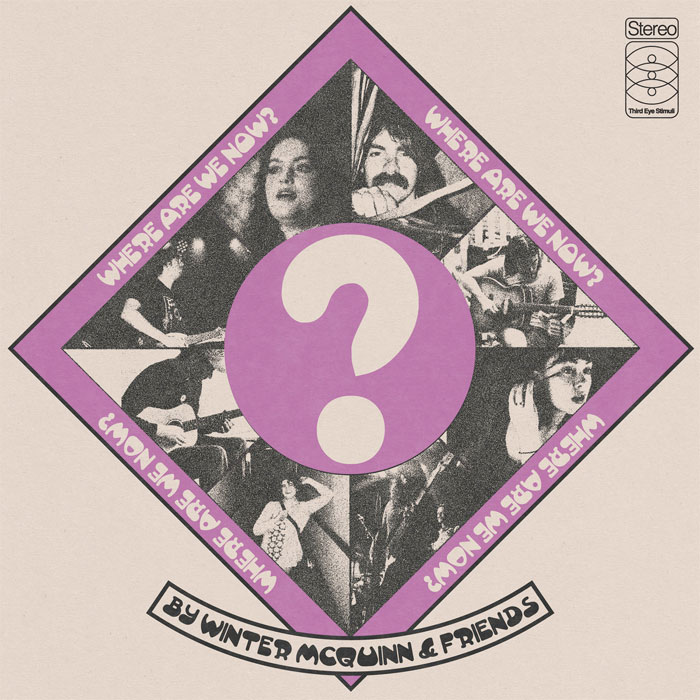
Winter McQuinn – Where Are We Now?
Still soaked in a ‘70s aura, the record builds an indispensable mixtape of gems that comes across like a kindred spirit to Winter’s American counterparts Drugdealer and Kate Bollinger. In the same fashion as Michael Collins’ collections, Where Are We Now? centers itself on McQuinn’s mahogany and macrame songwriting, while tapping into the trappings of a timeless radio station pulling something divine out of the ether and onto the dial. Alongside Winter on this record are a host of familiar names, and ones that beg quick acquaintance. RSTB faves Hot Apple Band and Chet Sounds both surface on the record, adding in their own sun-faded appeal. Frequent foil Acacia Pip turns up, as do Way Dynamic’s Dylan Young, Feign Jima, and Magic Bean Guillotine’s Rudy Polacheck. On his own McQuinn has always shone as one of the most magnetic voices of a newer Oz psych-pop crop, but the record truly shimmers due to his insistence on shining a light on others. Come for McQuinn’s pop perfect hooks, but walk away with at least a few more favorite artists in the process.
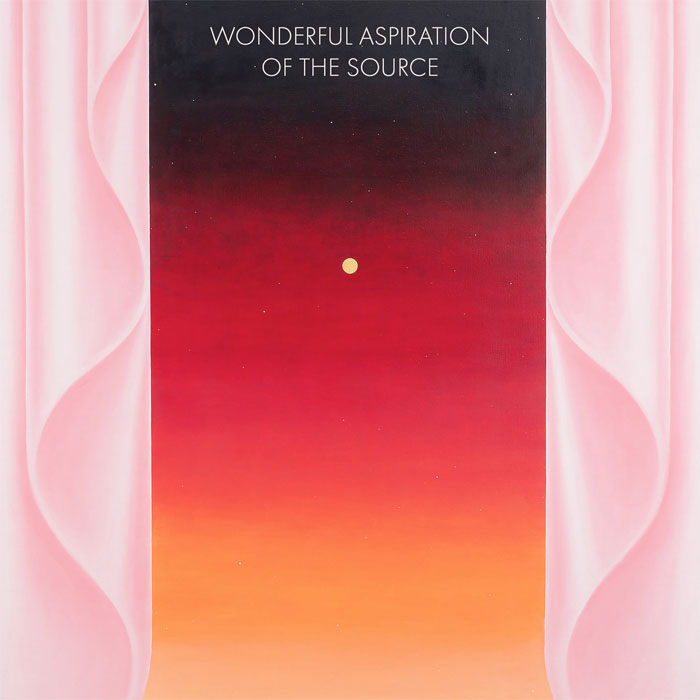
Wonderful Aspiration of the Source – Wonderful Aspiration of the Source
While his latest is certainly of the cosmic variety, it strips back the expansive setups that mark his work with Nashville Ambient Ensemble. No effusive keys here, not a drop of Luke Schneider’s trademark steel, no sprawling arrangements that build into comforting cocoons. Instead, Hix entered The Golden Tone Zone in Nashville with Styrofoam Winos’ Trevor Nikrant for a meditative study in B-Bender guitar. As with his records with the ensemble, there’s a sense of space, filling the room like fogged breath. The record doesn’t come off like country at first blush, but it’s orbiting the edges of the canon, melting guitar lines into something solemn and sweet. Hix claims to have become enraptured by the B-Bender’s mournful sound, and after searching out video of Marty Stuart’s guitarist Kenny Vaughan playing the instrument, it became an obsession. On the eponymous LP, Hix breathes as much new life into the instrument as it breaths into him. He harness the guitar’s sigh to his own ends, laying out a record that’s part jazz, part country, part ambient float.