
2025 Favorite Reissues 


As much as I love rifling through new music, archival releases have always been a cornerstone of the site. We’re getting dangerously close to so many albums that helped start the site hitting their 20 year marks, but I’m always a little more interested in the ones the got away rather than the act of reminiscing. This year had a lot of lost psych-folk find its due, something that I hope continues into the next couple of years. The genre begs to be the next great dig, and I hope that labels hit it with the fervor that was given to the ‘60s and ‘70s. Without ranking, here’s the reissues that I found most engrossing over the course of 2025.
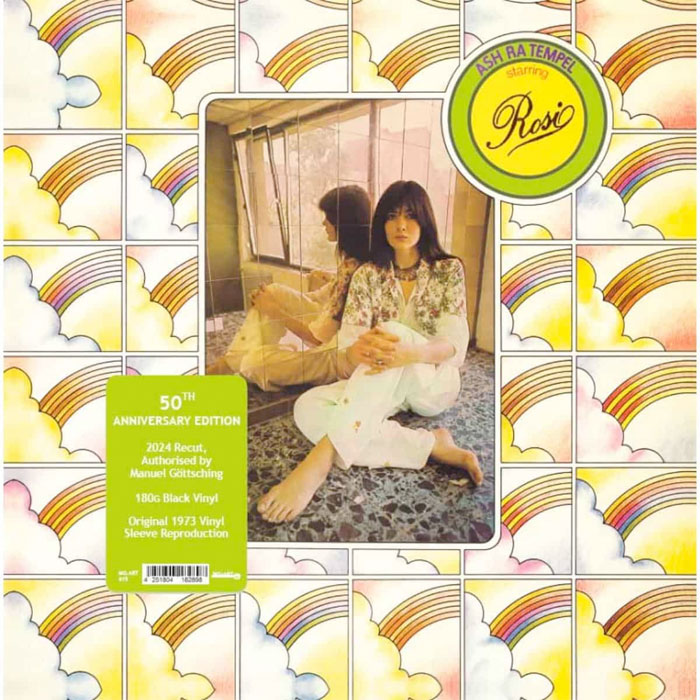
Ash Ra Tempel – Starring Rosi
The band’s fifth album is an outlier in their catalog. There aren’t too many German Progressive LPs that start out with songs that could be mistaken for The Allman Brothers, but the band kicks in with the light summer choogle of “Laughter Loving,” and from there on out this is a very different vision of the Tempel. The album is more accessible, still shrouded in echoing textures, early electronic pulses, and Göttsching’s high aura guitar work, but it also comes as close to any of the band’s albums to hooks. There’s a lightness to the record, a feeling that the assembled players weren’t just creating lasting works of psychedelic fusion, but that they were having fun while doing so.
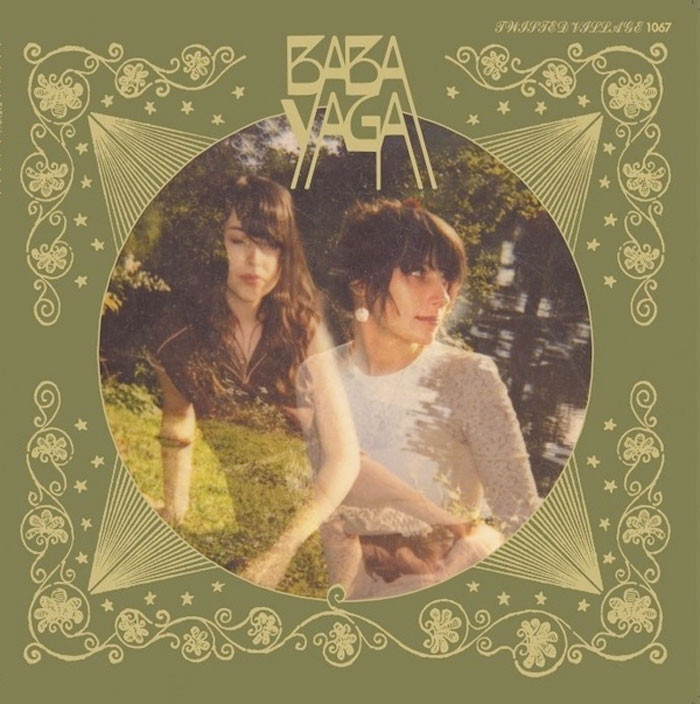
Baba Yaga – Baba Yaga
It’s a great year for aughts folk projects shut away from light for years. Following the excellent issue of Grass’ sole LP, another gem ekes out of the woodwork from the Twisted Village Catalog, the mostly shuttered, but eternally revered Boston label run by the good folks from Major Stars. This record has been in the works since Baba Yaga first appeared around 2007. The duo of Carla Baker and Amanda Bristow quickly became fixtures in their Boston scene, local favorites that eluded much of the free folk fanfare of the time, due in large part to their lack of releases. Though, that’s not without trying. This LP was first recorded in 2009, laid to tape live in mostly one or two takes. The record is a pure distillation of the ’60 folk canon and it’s rendered here in its final form as a pristine vision that feels like a kindred spirt to Heron’s revered LP or many contemporaries from the Language of Stone catalog at the time (Orion Rigel Dommiesse, Festival). As lovely as the day it was recorded, the record unfurls in its unadorned glory. Tender, windswept, and calm, the record is a reminder of the power of two entwined voices and the strum of strings. It’s been a long time coming, but Baba Yaga’s sole album is an essential of the 2000s’ folk bloom. \
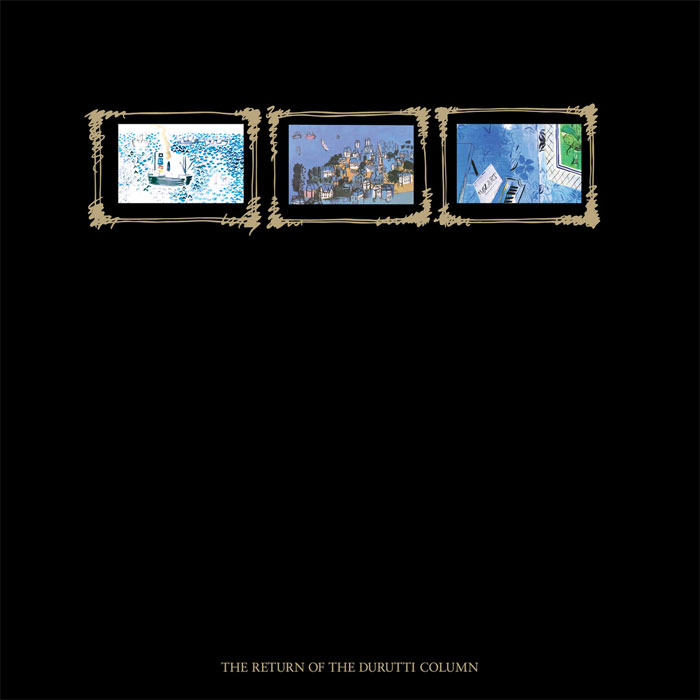
The Durutti Column – The Return of the Durutti Column (Expanded & Remastered)
London Records has done a great service in reissuing The Durutti Column catalog. On it’s 40th anniversary, the label works its way back to the beginning, reissuing and expanding the band’s debut, the cheekily named, The Return of The Durutti Column. The album was a stark contrast to many of their post punk peers at the time, an album that openly flaunted a love for jazz, while feeling its way forward towards something new entirely. The years have only been more kind to the album, feeling like a spark for so many musical fires over the years. London reissues the album with new mastering and a huge assortment of bonus tracks, ranging from demos and home recordings, to studio outtakes. An essential in it’s own right, but with the new material, an indispensable edition.
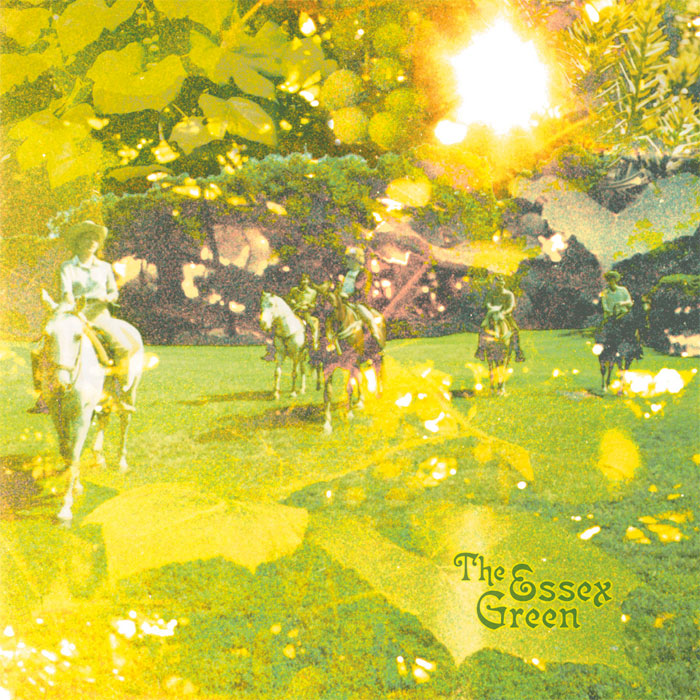
The Essex Green – Everything Is Green
A longtime favorite that I never thought I’d see back on LP, The Essex Green’s ’99 debut is a baroque psych-pop essential from ranks of the Elephant 6 family. Everything is Green followed the band’s charming debut EP and a single with The Sixth Great Lake. A split release with Elephant 6 and Kindercore, the record would result in the band’s signing to Merge a couple of years later. Here, though, the band retains their ease and small scale wonder, a pop record dipped in the delights of the ‘60s, but echoing the grandeur in a snow globe feeling that The E6 often captured. The band doesn’t skimp on arrangements on Everything is Green. It’s wrapped in a dizzying blend of brass, flutes, strums and sonorous, soaring harmonies. The band picks from the gilded tiers of the past, pilfering Van Dykes Park, The Mamas and The Papas, Left Banke, Sagittarius, and just a touch of the Ye Ye pop and Girl Group swoon. The E6 legacy often gets categorized by the Athens core, but like their fellow outliers from Brooklyn, The Ladybug Transistor, The Essex Green bring an understated beauty to the mix that can get lost in the ramshackle ribaldry of the core.
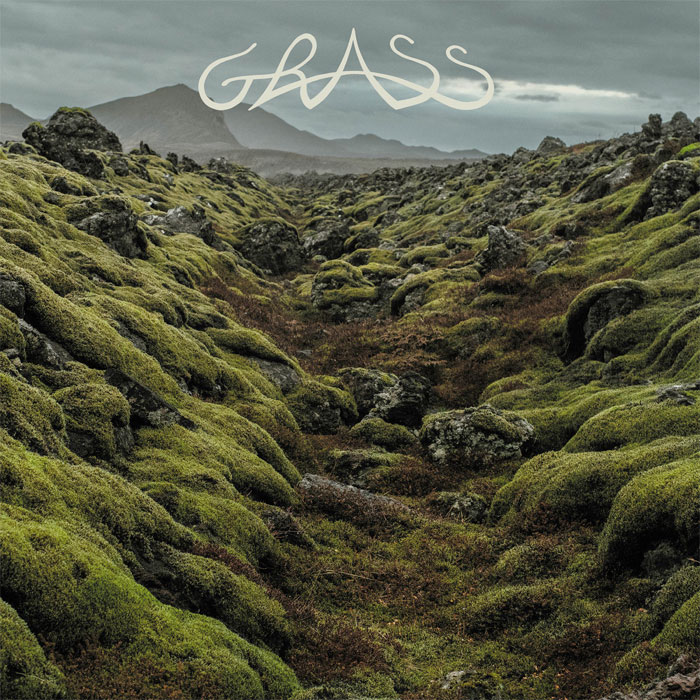
Grass – Grass
In the world of reissues, the long out of print gem is good, but a truly unearthed, unreleased treasure might be better. A remnant of the psych-folk aughts, which are now getting their own archival comb-thru (see: Kurt Weisman), Grass was a band that existed for a short, but potent moment in time. They burned bright, gigged little, recorded an album, and then squirreled it away for twenty years. Culling members from several of psych-folk’s most lauded names, the band brought together members of Feathers, Espers, Brightblack Morning Light, The Valerie Project, and Currituck Co. With a lineup that included dueling leads. dueling drummers, and a homemade electric gamelan, it was certainly one of the less precious lineups along the free folk frontier. Grass is never quite as fragile as their Vermont counterparts. Grass proves to be more akin to the shadows of the Scandinavian ‘70s, stretching out with a prog heart that’s more adventurous than some of their contemporaries at the time. Where quite a few were happy to fuzz over strums with a nod to Fairport, Grass dug deeper into the wilds. There’s a feeling that Pugh, Ragnarök, and Kebnekajse found their way alongside the band’s copies of Popul Vuh, pushing aside the fair lady lingering that found most in the sway of Vashti and Perhacs.
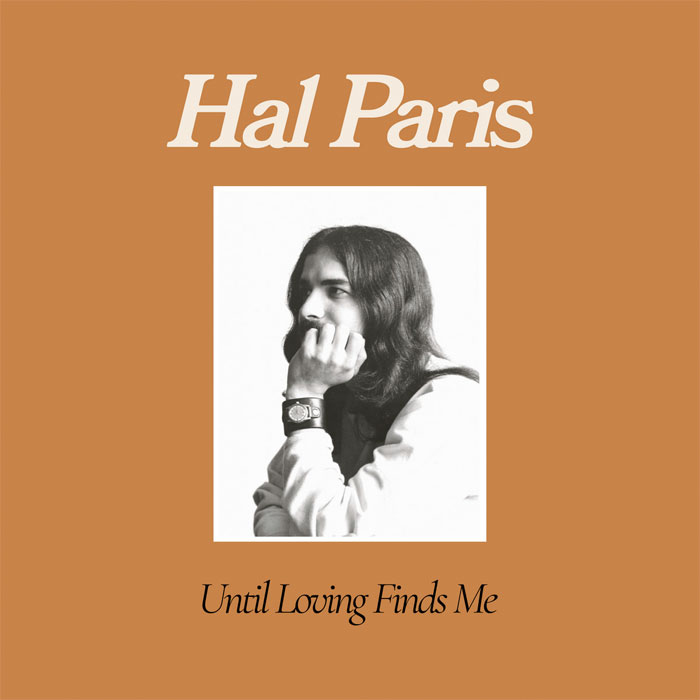
Hal Paris – Until Loving Finds Me
RSTB faves Torn & Frayed stray back into the release game with their second official offering after a run of excellent Japanese Folk mixtapes and a covers comp that saw more than a few of Cosmic Country’s best tackle a collection of classics. This time, the sights are set on a proper issue of demo material from Country Funk songwriter Hal Paris. The band is the kind that shows up in lists of overlooked ‘70s gems, issuing a sole LP in 1970 that’s practically a blueprint for current favorites like Rose City Band, Keven Louis Lareau, and The Bures Band. Following the band’s unfortunate dissolution after their record received a tepid response, Paris began a process of wandering. The band had packed up from Los Angeles, where their sound made a bit more sense, to Boston, only to get tied up in a scene that didn’t quite fit their lived-in, dust-covered denim dreams.
Jackie-O Motherfucker – Flags Of The Sacred Harp (20th Anniversary Edition)
The key to Flags was its roots in the American traditionals. The record centered its material on a re-imagining of traditional hymns and anthems from the original American songbook that was first published in 1844. The band, which at the time included psych-folk notables Tara Jane O’Neil (Rodan, The Sonora Pine), Theo Angell (Hall of Fame), Honey Owens (Valet), and Lewi Longmire (Michael Hurley, TK & The Holy Know-Nothings), was always evolving but felt at a real creative peak on Flags. The record wanders between sweetly psychedelic notions of trad folk to the noisier passages indicative of some of JOMF’s most outre visions. The cacophony of “Spirits” spars with the sweetness of “Hey! Mr. Sky,” setting up the album’s second-half slide towards darkness. This 20h anniversary edition includes a wealth of additional material as well, including “Breaking,” an outtake from the sessions on Flags, and covers of Townes Van Zandt and Public Enemy.
Kurt Weisman – Orange
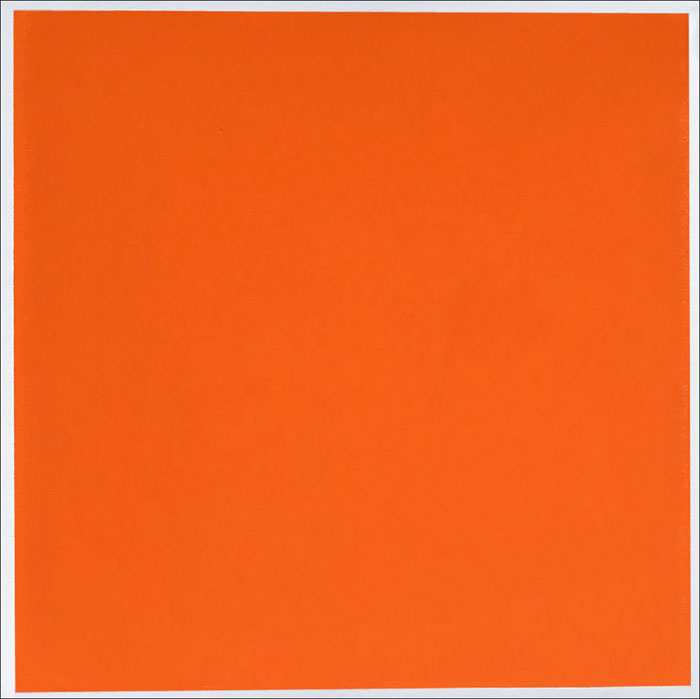
Following on the issue of Grass’ lost LP and a decade delayed LP from Baba Yaga, this one seems less fraught, but no less deserving of new ears. If you know Weisman, it’s likely from his time with Feathers, the New England psych-folk collective that brought together some of the scene’s finest, including Kyle Thomas (King Tuff), Ruth Garbus (Happy Birthday), Meara O’Reilly (Grass), and Asa Irons (Witch). Weisman’s solo works share a pastoral fragility with the band, weaving gentler wonders with more experimental fodder that feels akin to the slightly noisy strains coming out of Jewelled Antler’s ranks. The record vibrates with Weisman’s elfin energy, songs that sail on soft breezes, that slalom the tall grasses. Where his first solo record was full of offbeat instrumentation, layered arrangements, and dense mythology, Orange more fully embraces the private press folk aesthetic. Mostly just Kurt and his guitar, with a few embellishments of synth and clarinet from friends, Orange offers an aura of solitude; a hideaway from the world that radiates warmth, humor, and a humble positivity.

Loop – Twelves
While it’s been rounded up on CD, this marks the first time that all of Loop’s 12” singles have been back on wax since their original issue. Twelves rounds up a remastered version of the band’s early shorter format works; more compact, but no lesser than the band’s incredible albums. Loop has long been the glue between the motorik past and the lock-step present. The singles find the band at their rawest and, often times, most repetitive. The listener gets lost in the insistent grind of the band’s fuzzed wonders, and it’s a gift to have them all these works one place.
Neal Casal – No One Above You (The Early Years 1991-1998)
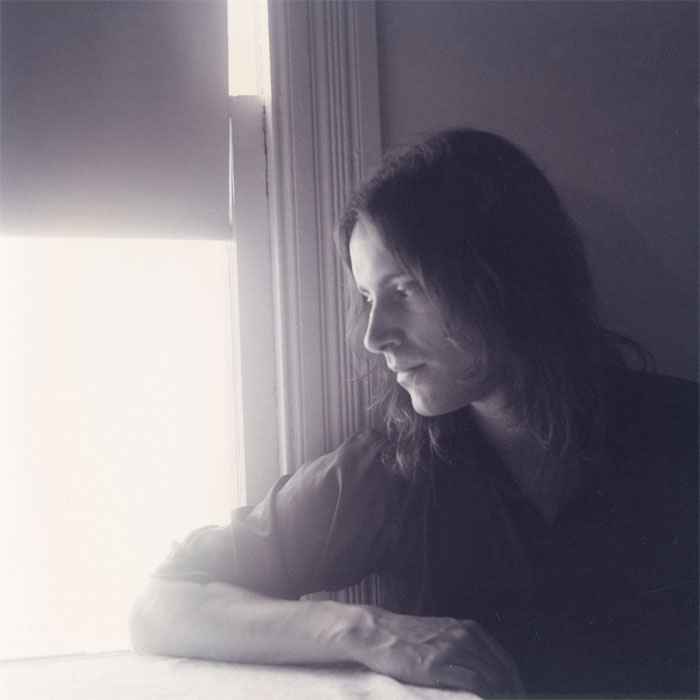
The loss of Neal Casal still hits hard. The songwriter was a consummate studio fixture on the West Coast and a beloved presence in many lives. From his work with Willie, Shooter, and The Jayhawks, to the founding of seminal bands like Circles Around The Sun and GospelbeacH, there’s a chance that Neal may have graced your speakers without even knowing it, but it was certainly felt. His legacy is still being sorted, with an excellent tribute released just a couple of years back, and now this exploration of his early works. Royal Potato Family have presented a lovely collection of unheard music from Casal’s time leading up to his solo debut, an exploration of Americana as only Casal could create. Among some choice covers by The Incredible String Band and Floyd Westerman, there are originals that hint at the songwriter that Neal was to become. One more fine fragment of the legacy that grows greater every day.
Popol Vuh – Hosianna Mantra
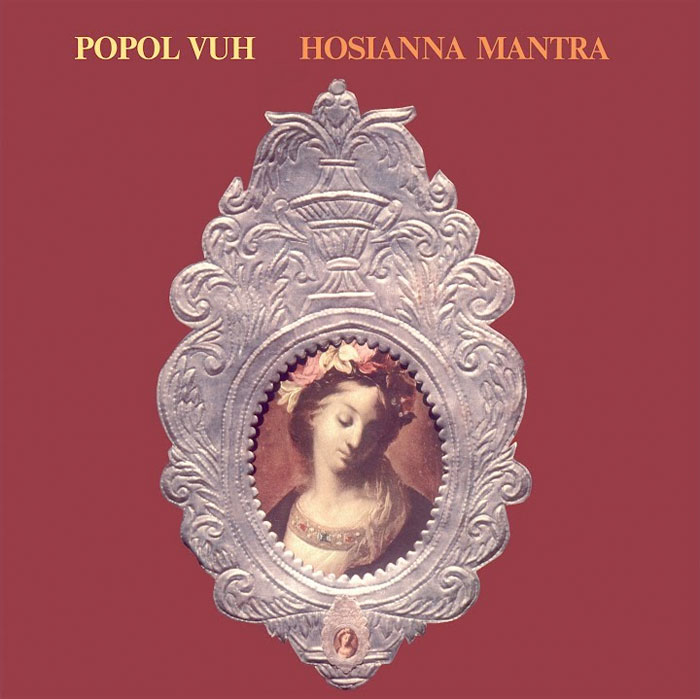
While the latter works of Popol Vuh can often overshadow their early entries, added to an intriguing run of soundtracks for Werner Herzog, the group’s beginnings offer just as much intrigue and no lack of innovation. This year Esoteric have reissued the band’s second and third albums, mapping a journey through meditation, electronic experimentation, and ultimately one back to the arms of organic instrumentation. The album is a reconciliation of East meets West, following Fricke’s conversion to Christianity. Despite the religious shift and shadow of major religions, the record is more of an untethered spiritual entity than anything dogmatic or direct. The band’s sparkling melodies begin to come into play here, along with Veit’s cavernous guitar sound that can still be felt guiding many psychedelic acolytes today. The record glows with an inner warmth, an aura lodged between the conservatory and it’s more free-love counterparts in the psychedelic folk spectrum.

Ron House – Obsessed
House’s name is probably more familiar tied to his group Thomas Jefferson Slave Apartments, but the Midwest songwriter has also been found in groups like the sorely underrated Great Plans, Moses Caryout, Ego Summit and Psandwich. Unlike the bulk of his catalog, the works on Obsessed don’t hinge on frayed wire guitar, soaked in the acerbic itch of Ohio’s post-industrial ghosts. They do, however, hang on House’s biting lyrics, and a perfectly nasal rasp. With a few friends along for the ride, including members of Movieola, TJSA, Jerry DeCicca & Noel Sayre, the album leans into the tenor of its title. The songs are hamstrung by love, torn apart by time, and ravaged by so called “bad luck.” Neither folk nor country, but damaged with the same dented soul of some of the best road-ragged troubadours who’ve found themselves swimming at the bottom of the bottle, the album melds the workshirt shrugs of Snock, Townes, and Blaze, and pins ‘em to a Bill Fox frankness.
Salem 66 – SALT
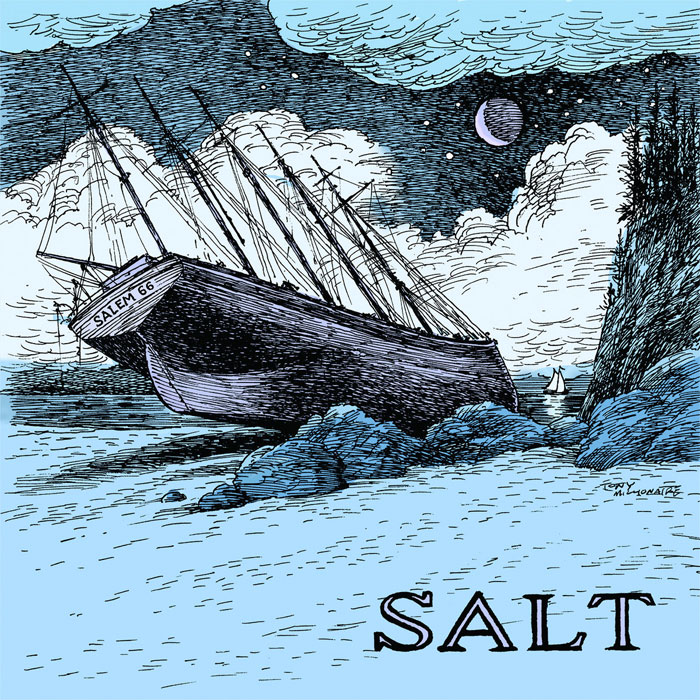
Accompanying the full release of the catalog, the band has also gotten together a compilation, less a best of and more of a self-curated collection of favorites. The band picked songs that they found personally the most enduring and SALT works as an entry point to the band that definitely leaves you wanting more. Lucky for you, there’s much more, and if SALT whet’s the appetite, there are four albums, an EP and some singles to send you deeper. Salem 66 were a fixture of the ‘80s Boston underground, a leading light in college rock, and until recently one of the more sorely overlooked corners of both of those enclaves. Often called out for breaking up the boys club atmosphere at Homestead, the band is far more than a token feminine voice in early indie. SALT’s success in introducing the band derives from the band’s selection of not hits, but those that they feel most closely identify the band’s sound. It’s a vital link to the band’s catalog, and hopefully just the beginning for many listeners.
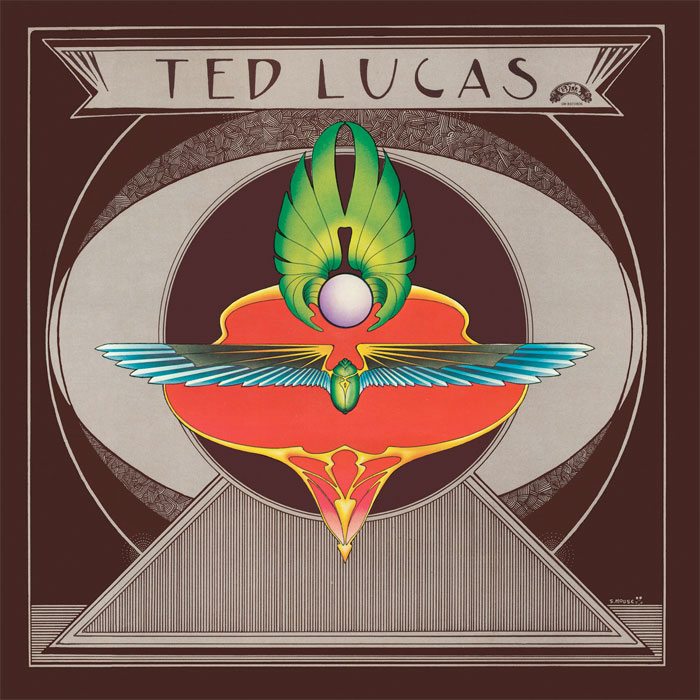
Ted Lucas – Ted Lucas (Extended)
This album has been a staple in collector crates for some time now, bolstered by Lucas’ easy amble and stellar songwriting that pair with a more exploratory second side. The album embodies ‘60s traditions of private press troubadours, and, unfortunately it also carries the kind of tale of disappointment and disillusion that often accompanied the genre as well. During his life, Lucas never achieved the notoriety that he sought and deserved. The album’s appeal seemed at a low point during its release, and much of the original run remained unsold up through his death in the ‘90s. That fortune would turn, with quite a few more heads getting turned onto the record with the Yoga reissue. Draped in a period-appropriate cover from Mouse Miller, the record draws in the kind of curious listeners who trawl through psychedelic cast-offs. All attention on Lucas is deserved, and if this one has eluded your gaze through previous reissues, now’s a great time to dip in.

You Ishihara – Passivité
An album that’s been seemingly lost to time, You Ishihara’s solo debut was a victim of schedule and circumstance, slipping between the cracks of fan expectations and press attention. The record was released at the tail end of White Heaven’s career, before he’d begun his next outing with The Stars. Unmoored from any expectations associated with White Heaven, Ishihara lets the focus expand on Passivité. While there are moments that reach the heaviness of both The Stars and White Heaven, the album also revels in low-slung sound that stretches between narcotized VU burners and psych-folk’s edges. Strums contort into fuzz and Ishihara takes on an enigmatic presence over the din, swaying in thrall to the vibrations that shudder throughout the record.